As modern warfare enters an era where unmanned systems dominate the battlefield, Russia has taken a pivotal step by establishing dedicated drone units within its military structure. The move, directly ordered by President Vladimir Putin, marks a significant doctrinal shift, driven by lessons from recent conflicts and an urgent need to bolster the country’s air defense architecture.
Russia’s decision comes amid the rapid proliferation of drones—from consumer-grade quadcopters used in reconnaissance to long-range combat UAVs capable of precision strikes. The Russia-Ukraine war, in particular, has laid bare both the offensive potential and defensive challenges posed by these systems.
Russia’s Strategic Pivot to Drone Warfare
President Putin has officially sanctioned the formation of drone troops as a separate military branch, emphasizing their strategic value. This is not merely an enhancement of existing aerial capabilities but a restructuring of Russia’s defense doctrine. The president underscored that traditional air defense systems are increasingly inadequate when confronting unmanned threats, which often operate below radar thresholds and in swarms.
“We are currently building drone troops as a separate branch of the military, and these should be developed and deployed as soon as possible,” Putin announced. This development signals that the Russian military is not just adapting to drone warfare—it is institutionalizing it.
Combat Lessons from Ukraine and Beyond
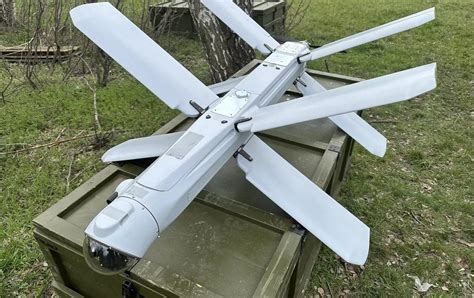
In the ongoing Russia-Ukraine conflict, drones have shifted the tactical landscape dramatically. Ukrainian forces have demonstrated the power of low-cost drones for both surveillance and strike missions, often outmaneuvering expensive conventional weapons. In response, Russian forces have increasingly deployed Lancet loitering munitions, Orlan-10 surveillance drones, and Shahed-136 drones, some supplied by Iran.
These experiences have shown that drones are no longer force multipliers—they are essential combat tools. Their roles now span:
- Real-time intelligence gathering over contested terrain
- High-precision strikes on high-value targets
- Electronic warfare operations, jamming and intercepting enemy communications
- Logistics support in hard-to-reach zones
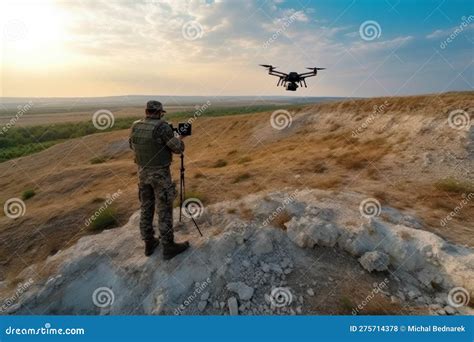
The Birth of a Drone Army: Structure and Goals
While operational details remain classified, sources indicate that the new drone troops will be equipped with diverse UAV platforms tailored for varied combat environments. These will include:
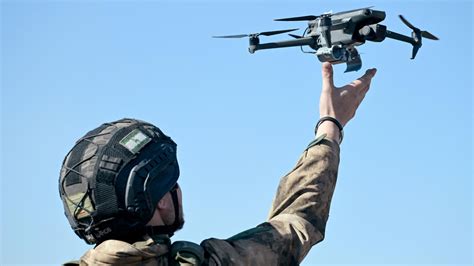
- Tactical drones for squad-level reconnaissance
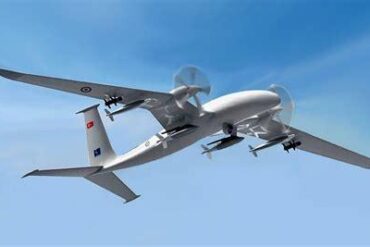
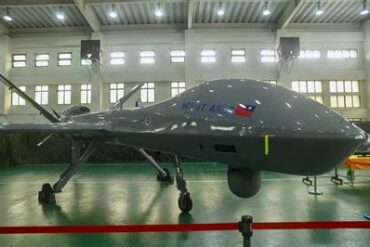
- MALE (Medium Altitude Long Endurance) drones for strategic surveillance
- Kamikaze drones with explosive payloads
- Electronic warfare UAVs for jamming and spoofing
Russia’s Defence Minister Andrei Belousov initially proposed the idea in early 2024, warning that technological asymmetry with Western nations could threaten national security. The final endorsement by Putin has now accelerated the formation process, with timelines shortened to match urgent battlefield needs.
Challenges of Countering Unmanned Threats
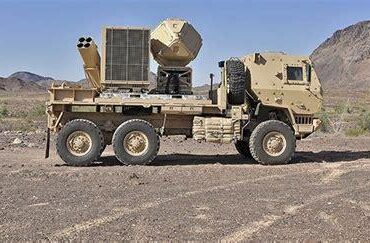
President Putin also highlighted that existing military doctrines are insufficient to counter the asymmetric threat posed by UAVs. The need for non-standard solutions, including autonomous air defense systems and AI-integrated response units, has become apparent.
“The new state arms program should provide for forming a universal air defense system that would function in any situation and effectively hit means of air attack, regardless of their type,” said Putin. This means the defense industry must now deliver modular, flexible, and fast-reacting counter-drone technologies.
Russia’s traditional S-400 and Pantsir systems, while formidable against crewed aircraft and missiles, are often overkill—and overburdened—when dealing with swarms of $1,000 drones. The inefficiency in matching threat with cost-effective countermeasures has become a glaring vulnerability.
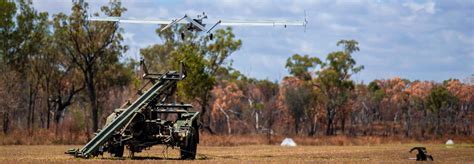
Integrating AI, Autonomy and Electronic Warfare
The newly proposed drone command structure is expected to function as a testbed for cutting-edge technologies. AI-assisted navigation, swarm coordination, and autonomous target acquisition are likely to be the cornerstone of these capabilities. Russia’s domestic tech industry, often isolated due to sanctions, has reportedly ramped up investment in AI and machine learning models tailored for military deployment.
This includes:
- Swarm algorithms allowing coordinated group attacks or reconnaissance
- Autonomous flight systems to reduce GPS reliance
- AI threat detection and target prioritization
- Resilient communication systems immune to jamming
The inclusion of such capabilities is not just about technological parity with the West; it is about reshaping the character of future Russian military operations.
Implications for Global Military Balances
Russia’s restructuring is not occurring in isolation. China, the United States, Israel, and Turkey have already fielded advanced UAV divisions. However, Russia’s move is unique in its formal creation of a dedicated drone branch—something even the U.S. military has yet to fully implement.
This development signals that Russia is preparing for a future where combat may occur predominantly in the air and electronically, with drones and AI at the center. The implications for NATO, especially frontline states such as Poland and the Baltic nations, are significant. Increased drone presence could mean:
- Faster response times in hybrid warfare
- Persistent surveillance over border zones
- Higher precision in tactical strikes
- Greater unpredictability in Russian military doctrine
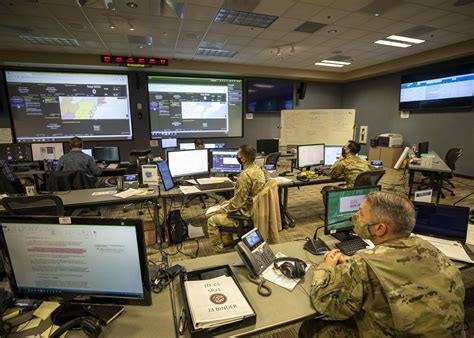
Domestic Military-Industrial Mobilization
To meet the demand, Russia’s military-industrial complex is undergoing expansion and recalibration. State-owned defense firms like Kronstadt Group and Almaz-Antey have been directed to prioritize UAV production lines and next-generation sensor suites. Reportedly, specialized drone training academies are being created, and new doctrines are being introduced in military schools.
This surge will likely lead to:
- Increase in local UAV production capacity
- Greater R&D investments in drone AI and avionics
- Emergence of a civil-military drone ecosystem
These changes aim not only to address current battlefield gaps, but also to create future-proof military capabilities resilient to evolving drone technologies.
Escalation Risks and Strategic Calculus
As Russia commits to this new military doctrine, the risk of unmanned escalation looms. A scenario where autonomous systems engage without human oversight—triggering disproportionate responses—becomes more plausible. The decision to institutionalize drone warfare also raises questions about international arms control regimes, many of which do not yet fully regulate UAVs.
Moreover, with both NATO and Russia now engaging in drone-centered military posturing, the possibility of near-border skirmishes or miscalculations grows. Deterrence in this era will increasingly rely on real-time surveillance, AI interpretation, and machine-speed responses.
Conclusion: A New Era of Military Evolution
Russia’s move to set up dedicated drone units within its armed forces is more than a response to present-day threats—it’s a proactive step into the next generation of warfare. With the clear endorsement from the highest political and military echelons, the integration of unmanned systems into core military doctrine represents a defining shift in how wars will be fought and won.
As nations across the globe race to innovate, the formalization of drone forces in Russia signals the beginning of a new arms race—not of missiles, but of machines. The age of unmanned dominance has arrived, and with it, the battlefield has irrevocably changed.