Brazilian aerospace conglomerate Embraer has taken a decisive step in strengthening its foothold in India with the establishment of a wholly owned Indian subsidiary, headquartered in AeroCity, New Delhi. This strategic move marks a pivotal moment in Embraer’s global expansion and underlines its long-term commitment to the Indian aerospace, defence, and commercial aviation ecosystem.
The creation of this new entity signals more than just corporate expansion; it’s a calculated alignment with India’s growing ambitions in aerospace and defence. Embraer’s strategy is not merely about market penetration—it’s about embedding itself within the fabric of India’s industrial and defence ecosystem by contributing to indigenous capability development under the “Make in India” initiative.
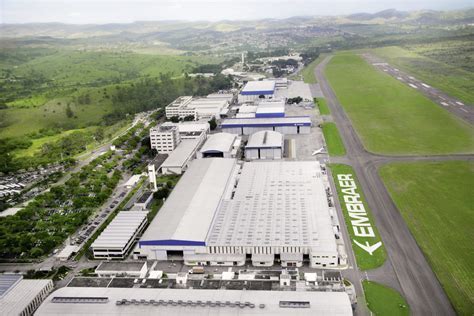
Embraer’s Strategic Commitment to India’s Aerospace Growth
Embraer’s expansion plan in India is multi-faceted. The newly formed subsidiary will serve as the core for cross-sector operations, encompassing defence, commercial aviation, business jets, services & support, and the emerging urban air mobility domain. The choice of AeroCity, strategically located near Indira Gandhi International Airport, places Embraer in close proximity to India’s aviation and policymaking nerve center.
Francisco Gomes Neto, President & CEO of Embraer, emphasized the depth of this commitment. “India is a key market for Embraer, and this expansion demonstrates our unwavering commitment to the country. We are excited to deepen our collaboration with the Indian aerospace and defence industry, leveraging our expertise and technology to contribute to the nation’s growth and Make in India campaign.”
The company is actively working to build specialized teams in India, spanning corporate, procurement, engineering, and supply chain domains. This local capacity-building reflects a proactive attempt to tap into India’s highly skilled engineering talent pool and to integrate with local suppliers, further promoting industrial self-reliance and technology transfer.
Broadening the Spectrum: From Defence to Urban Air Mobility
Embraer’s entry is not confined to a single segment—it spans across critical verticals of India’s aerospace future.
Defence Sector Integration
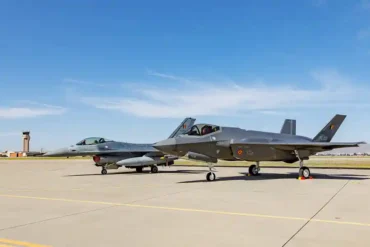
One of the most high-profile developments is the collaboration between Embraer Defense & Security and Mahindra Defence Systems, formalized through an MoU signed in February 2024. The objective? To jointly pursue the Indian Air Force’s Medium Transport Aircraft (MTA) program with the C-390 Millennium.
The C-390 Millennium, a multi-mission military transport aircraft, brings unparalleled capabilities to the table:
- Payload capacity of 26 tons
- Cruising speed of 470 knots
- Multi-role adaptability for medical evacuation, troop transport, search and rescue, air-to-air refueling, and humanitarian missions
It significantly outperforms traditional medium-sized military cargo planes, positioning it as a strong contender for India’s evolving tactical airlift needs.
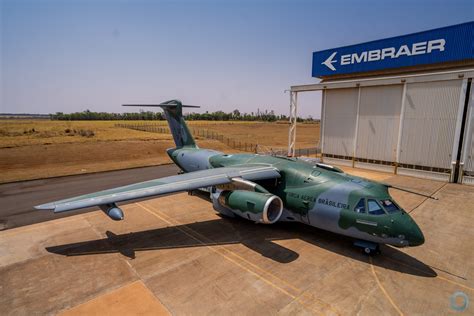
India’s defence services are already familiar with Embraer’s platforms. The Indian Air Force (IAF) and Border Security Force (BSF) currently operate the Legacy 600 for VIP and government official transport. More significantly, the IAF’s ‘Netra’ AEW&C aircraft, built on the Embraer ERJ145 platform, is a cornerstone of India’s airborne surveillance capability.
Urban Air Mobility: Eyes on the Future
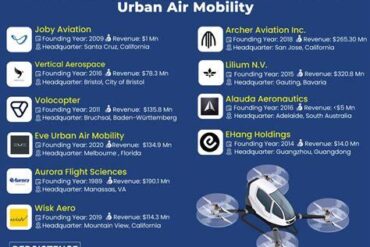
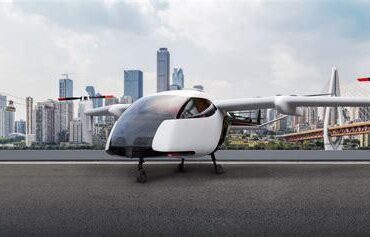
The move also places Embraer in a commanding position to explore and invest in urban air mobility (UAM), an emerging sector that aligns with India’s urbanization trajectory and smart city development initiatives. With the evolution of electric vertical take-off and landing (eVTOL) technologies, Embraer—through its Eve Urban Air Mobility subsidiary—is expected to test the waters of next-generation air transportation in India’s congested metropolises.
Commercial Aviation: Unlocking Tier 2 and 3 Potential
Embraer’s commercial aviation division is strategically poised to help India meet its ambitious air connectivity goals. With over 50 aircraft and 11 types operating in India, the company already has a well-established footprint. Its E-Jets family, particularly the E175 and ERJ145, are playing a pivotal role in democratizing air travel across India’s tier two and tier three cities.
India’s UDAN scheme (Ude Desh ka Aam Nagrik) encourages regional connectivity by subsidizing fares and infrastructure for underserved routes. Embraer’s E-Jets are perfectly suited to bridge the gap between capacity and demand. Their unique size—larger than turboprops, yet smaller than 180-seat narrowbodies—enables them to operate profitably on thin routes where traditional narrowbody aircraft would be unviable.

One standout success is Star Air, an all-Embraer operator that has optimized regional connectivity through a fleet of E175s and ERJ145s. These aircraft not only offer lower operating costs but also bring in high dispatch reliability, ideal for India’s diverse weather and airport infrastructure.
Building Local Capabilities: From Manufacturing to Engineering
While Embraer has not yet announced plans for manufacturing in India, the move to establish an Indian subsidiary signals a readiness to deepen localisation. It’s a page out of the playbook followed by other aerospace giants that have successfully embedded themselves in India’s manufacturing ecosystem by co-developing platforms, building MRO (Maintenance, Repair, and Overhaul) hubs, and investing in joint ventures.
The company’s interest in creating procurement and engineering cells reflects a longer-term intent to source more components locally, possibly including critical systems for defence platforms like the C-390 or parts for E-Jets. Such a move would align seamlessly with India’s push to become a global aerospace manufacturing hub.
Furthermore, Embraer’s services and support division could set the stage for the development of an MRO ecosystem tailored to Embraer platforms, supporting not only Indian operators but potentially servicing aircraft from across the region.
Strengthening Bilateral Ties: Brazil–India Aerospace Collaboration
Beyond the strategic and commercial considerations, this development underscores growing bilateral cooperation between Brazil and India. Embraer’s choice to double down on India reflects a recognition of India’s strategic weight in global aviation—both in terms of market size and as a geopolitical ally.
The synergy was also evident during the announcement of India as the host for the IATA AGM 2025, where Embraer plans to make a significant presence. With India increasingly being seen as a venue for international aviation policymaking and industry collaboration, Embraer’s early positioning places it at the forefront of future partnerships, contracts, and regional leadership.

Conclusion: A Calculated Bet with Long-Term Returns
Embraer’s decision to form a dedicated Indian unit is more than a headline-grabbing announcement—it’s a strategic repositioning aimed at long-term value creation in one of the world’s fastest-growing aviation markets. By aligning with India’s goals across defence, regional connectivity, and technological innovation, Embraer is not only expanding its market share but embedding itself as a key enabler in India’s aerospace future.
Whether through co-producing military aircraft with local partners like Mahindra, enhancing air travel for smaller Indian cities, or shaping the future of electric vertical lift-off aircraft in congested megacities, Embraer’s India story is unfolding as one of technology, ambition, and timely strategic alignment.
The next decade will reveal whether this bet pays off in terms of orders, partnerships, and influence—but for now, the company has clearly signaled its intent: India is not just another market. It is a cornerstone of Embraer’s global future.