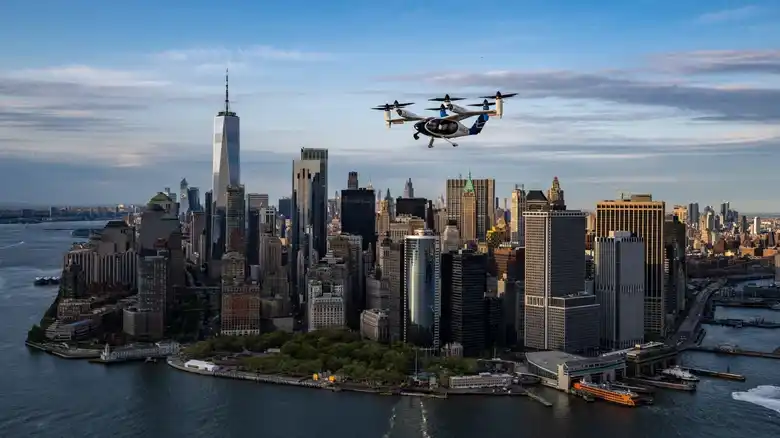
The dream of skipping gridlocked streets and soaring above Manhattan traffic has moved closer to reality after Joby Aviation completed the first electric air taxi point-to-point flight in New York City. The test flight connected John F. Kennedy International Airport with city heliports, marking a major turning point for urban transportation and positioning New York as one of the first real-world testing grounds for electric vertical takeoff and landing aircraft, commonly known as eVTOLs.
For decades, futuristic flying taxis existed mostly in science fiction films and concept sketches. Now, they are entering crowded urban airspace with regulators, airlines, and transportation companies watching closely. Joby’s demonstration flight was more than a publicity event. It was a carefully staged proof that electric aircraft can operate inside one of the busiest and most complicated metropolitan environments on Earth.
Joby Aviation Brings Electric Air Taxis To New York
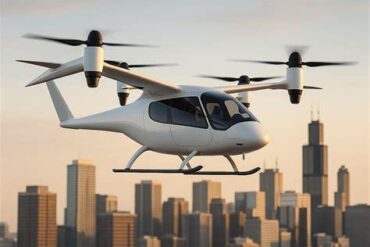
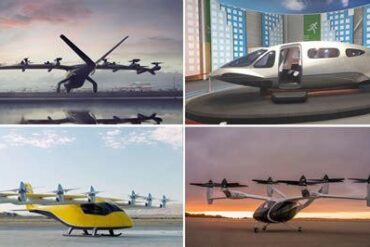
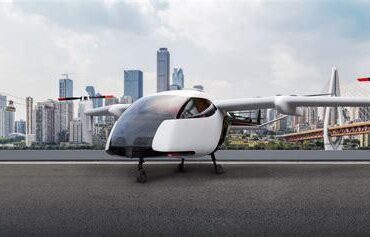
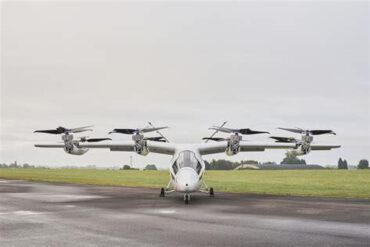
Joby Aviation’s aircraft resembles a sleek hybrid between a helicopter and a giant drone. Powered by six electric motors, the aircraft can lift off vertically before tilting its rotors forward to transition into conventional horizontal flight. This design allows it to avoid the need for long airport runways while still reaching speeds that traditional helicopters struggle to match efficiently.
The company says the aircraft can reach a top speed of 200 miles per hour and fly distances exceeding 150 miles on a single battery charge. Those numbers make it especially attractive for short regional travel routes connecting airports, suburbs, and dense downtown districts.
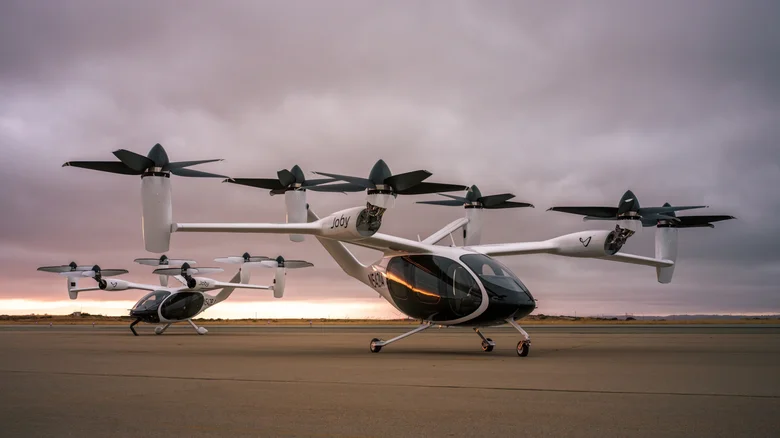
Unlike conventional helicopters that often dominate city skylines with heavy rotor noise, Joby’s electric aircraft is designed for dramatically quieter operation. In a city where noise complaints are almost as common as traffic jams, reducing sound pollution could become one of the aircraft’s biggest advantages.
The air taxi also carries impressive engineering credentials. Built with a lightweight carbon-fiber structure, the aircraft weighs approximately 5,300 pounds while transporting a pilot and four passengers. Its vertical takeoff capability allows it to use compact heliports already scattered throughout New York City, potentially creating an entirely new layer of transportation infrastructure without requiring massive new construction projects.
Why Flying Taxis Could Reshape Urban Transportation
Joby’s New York test flight is part of a broader Federal Aviation Administration initiative exploring how air taxis could safely integrate into American cities. The company is also working alongside Blade, Uber, and Delta Air Lines to create future transportation partnerships that could connect air travel directly with urban mobility services.
Although commercial operations remain limited for now, the implications are enormous. A future traveler could theoretically land at JFK Airport and reach downtown Manhattan within minutes instead of enduring unpredictable road traffic for hours. If regulators approve wider deployment, electric flying taxis may soon become one of the most disruptive transportation innovations since the rise of rideshare platforms.