The United States is entering a defining moment in next-generation mobility as the Federal Aviation Administration moves from concept to concrete action. With the launch of a nationwide pilot program for electric vertical takeoff and landing aircraft, the FAA is no longer simply regulating innovation—it is actively enabling it. This initiative marks a pivotal transition from speculative technology to operational reality, placing air taxis on a clear trajectory toward integration into everyday transportation networks.
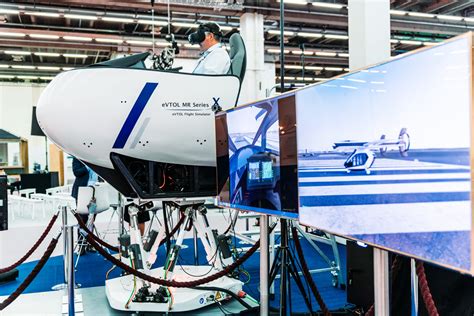
At the center of this effort is a structured training and testing ecosystem designed to validate both aircraft performance and human readiness. Beginning in the summer of 2026, selected pilot programs will train operators specifically for eVTOL systems, addressing a critical gap between technological capability and real-world deployment. Unlike traditional aviation pathways, these programs are tailored to a new class of aircraft that blends aeronautics, automation, and electric propulsion into a single platform.
The scale of the rollout underscores its ambition. With participation spanning 26 states—including key regions such as Texas, Utah, North Carolina, and Pennsylvania—the initiative creates a distributed testing environment reflective of real-world operating conditions. This geographic diversity allows regulators and manufacturers to assess performance across varied climates, urban densities, and infrastructure constraints, accelerating the pathway to certification and public adoption.
Strategic Partnerships Driving eVTOL Integration
The program’s strength lies in its collaboration between government oversight and private-sector innovation. Companies such as Electra, Beta Technologies, and Reliable Robotics are not merely participants—they are co-architects of the future air mobility ecosystem. Each brings specialized expertise, from advanced propulsion systems to autonomous flight technologies, contributing to a layered and adaptive development process.
These partnerships extend beyond aircraft design. They include simulation environments, pilot training frameworks, and operational logistics, all of which are essential for scaling eVTOL usage. By embedding industry leaders directly into the regulatory process, the FAA ensures that standards evolve alongside technological capabilities rather than lag behind them. This alignment reduces friction in certification and shortens the timeline for commercial deployment.
Understanding eVTOL Technology and Its Advantages
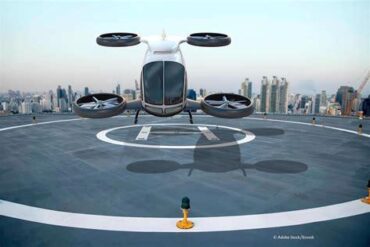
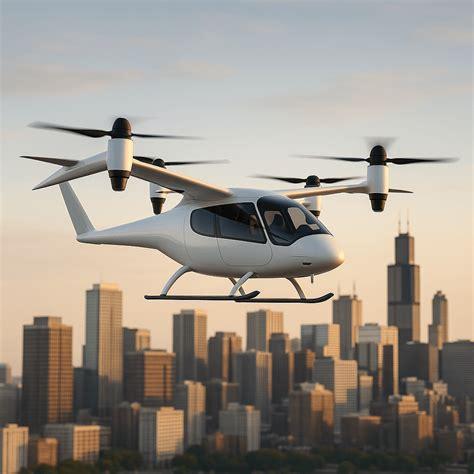
Electric vertical takeoff and landing aircraft represent a fundamental departure from traditional aviation models. Their defining feature—the ability to lift off and land vertically—eliminates the need for long runways, enabling operations in dense urban environments where space is at a premium. This alone positions eVTOLs as a transformative solution for congested cities.
Beyond spatial efficiency, the technology offers significant environmental and acoustic advantages. Powered by electric motors, eVTOLs produce substantially lower emissions and reduced noise levels compared to conventional helicopters. This makes them viable for use in residential areas, where traditional aircraft would face regulatory and public resistance.
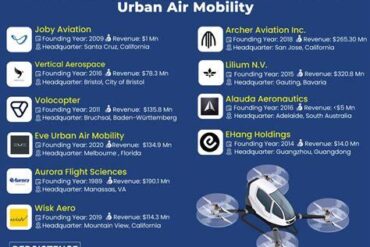
The concept itself is not new. Early explorations date back to 2009, when experimental vertical flight designs began gaining attention. Over time, advancements in battery energy density, lightweight materials, and flight control systems have turned theoretical designs into functional prototypes. Today’s models are the result of over a decade of iterative engineering, bringing them closer than ever to widespread adoption.
Challenges That Still Shape the Road Ahead
Despite the optimism, significant hurdles remain. Battery limitations continue to constrain range and payload capacity, restricting eVTOL operations to short-distance routes. Manufacturing costs are also high, driven by the complexity of components and the need for rigorous safety standards. These factors currently limit scalability and affordability.
Regulatory frameworks, while evolving, must also address air traffic integration, especially in already crowded urban airspaces. Ensuring safe interaction between eVTOLs, traditional aircraft, and drones requires sophisticated coordination systems and real-time data sharing. The FAA’s pilot program is expected to play a crucial role in refining these systems through practical testing.
A Measured Path Toward Everyday Air Mobility
The FAA’s initiative is not a speculative experiment—it is a calculated step toward redefining transportation. By focusing on pilot training, operational testing, and industry collaboration, the program addresses the foundational elements required for sustainable adoption. It acknowledges both the promise and the complexity of eVTOL integration, balancing innovation with safety and practicality.
As these aircraft begin appearing in test regions across the country, public perception will become an equally important factor. Visibility, reliability, and demonstrated safety will determine whether air taxis transition from novelty to necessity. The coming years will reveal whether this ambitious program can deliver on its potential, but one thing is certain: the era of urban air mobility is no longer a distant vision—it is actively taking shape.