The future of urban air mobility is moving closer to reality in Central Florida, as Orlando International Airport (MCO) prepares for a major step toward introducing electric vertical takeoff and landing (eVTOL) aircraft operations. Airport officials have confirmed that demonstrations of air taxi technology could begin later this year, marking an important milestone in the development of next-generation transportation.
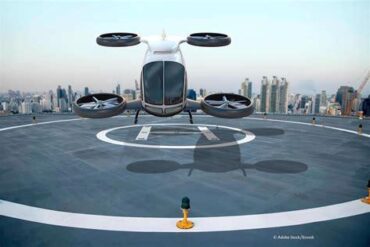
The Greater Orlando Aviation Authority has approved plans to develop what is expected to become the first vertistop in the United States. The facility will create dedicated infrastructure for eVTOL aircraft and establish a foundation for future commercial air taxi services connecting travelers across the region.
The planned vertistop will be located at the current Surface Lot Atlantic area near the Brightline train station serving Terminal C. Construction is expected to begin by the end of October after receiving approval from the Federal Aviation Administration (FAA). Although the project represents a significant advancement in aviation technology, it will initially focus on demonstrations rather than full commercial passenger service.
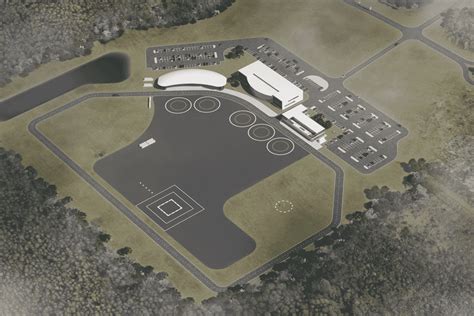
The development reflects a cautious but ambitious approach toward integrating electric aircraft into existing airport operations. Kevin Thompson, Assistant Vice President of Planning for MCO, explained that the transition toward air taxi services will happen gradually. He described the process as a “crawl, walk, run” approach, with early demonstrations helping officials, operators, and regulators understand how the technology can be safely introduced.
The vertistop project is not expected to disrupt normal airport activity. However, the facility will require approximately 80 leased-use parking spaces within the existing surface lot. Airport leaders believe the investment is worthwhile because it positions Orlando as a leading location for the next generation of aviation.
Orlando’s Role in the Future of Electric Air Taxis
The planned vertistop represents more than a single airport project. It is part of a broader movement toward advanced air mobility, where electric aircraft could transform short-distance transportation in crowded metropolitan areas. Orlando is considered a strong candidate for early eVTOL adoption because of its growing population, tourism industry, and major transportation challenges.
Traffic congestion along the I-4 corridor has long been a challenge for residents and visitors traveling between Orlando, Tampa, theme parks, and other Central Florida destinations. Electric air taxis could provide a new option by allowing passengers to avoid road congestion and reach key locations faster.
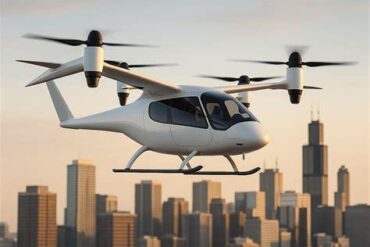
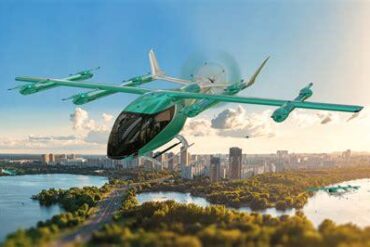
Unlike traditional helicopters, eVTOL aircraft are designed to combine vertical takeoff capabilities with efficient horizontal flight. These aircraft use multiple electric motors and propellers, allowing them to maintain performance even if one motor experiences a problem. Their distributed propulsion systems are designed to improve safety while reducing noise.
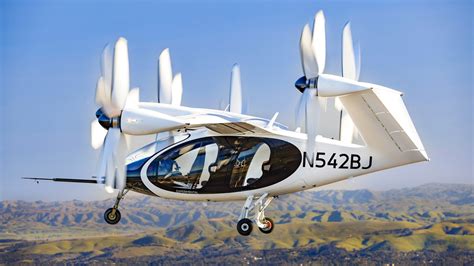
The technology also offers environmental advantages. Battery-powered aircraft produce zero direct emissions during flight, and electric propulsion systems generally contain fewer moving parts than traditional combustion engines. This could lead to lower maintenance requirements, reduced operating costs, and quieter flights that are more acceptable for urban environments.
How eVTOL Aircraft Could Change Airport Transportation
For passengers, the experience of flying in an eVTOL aircraft is expected to feel similar to traveling by helicopter, but with important differences. The aircraft are designed to provide a smoother and quieter experience while operating from smaller facilities located closer to urban areas.
Instead of spending significant time traveling through congested highways to reach an airport, travelers could eventually use air taxis as a fast connection between city centers, transportation hubs, hotels, and airports. This could improve accessibility while creating new links between areas that are currently separated by traffic delays.
The Orlando vertistop is expected to develop in phases. Initial operations will focus on demonstrations and infrastructure testing, while later stages could include a dedicated terminal, passenger facilities, and expanded commercial services. Officials expect the complete facility development process could continue through the end of the decade.
Joby Aviation and the Growth of Advanced Air Mobility
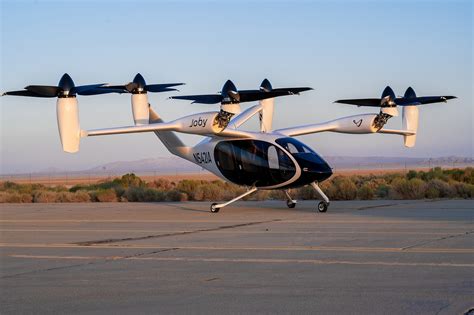
Companies such as Joby Aviation are among the leading developers working to bring eVTOL aircraft into commercial service. The company has already participated in international vertiport development efforts, including projects in Dubai, while more than 25 potential locations across the United States have been identified for future facilities.
Orlando’s early investment could serve as a model for other airports seeking to integrate electric aircraft into their transportation networks. As regulators continue evaluating certification requirements and operational standards, projects like this provide valuable experience in building the infrastructure needed for widespread adoption.
Beyond passenger transportation, eVTOL aircraft could eventually support other missions, including medical transport, emergency response, search and rescue, and disaster relief. Their ability to operate from smaller landing areas could make them valuable in situations where traditional aircraft cannot easily reach affected locations.
The arrival of air taxi technology at Orlando International Airport represents an important moment in aviation’s evolution. While widespread commercial service may still require additional regulatory approvals and technological development, the planned vertistop demonstrates that electric flight is moving from concept toward practical implementation.
If successful, Orlando could become one of the first major aviation hubs in the United States to embrace a new era of transportation, where electric aircraft provide faster, cleaner, and more flexible connections between people and places.