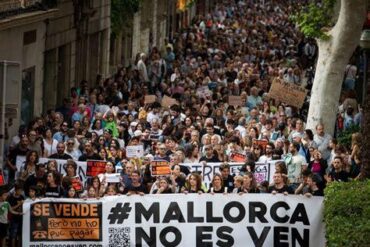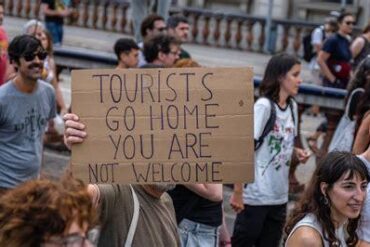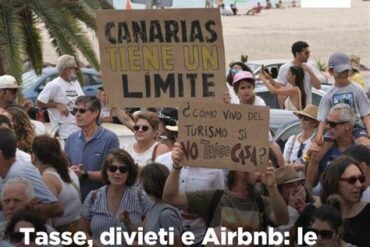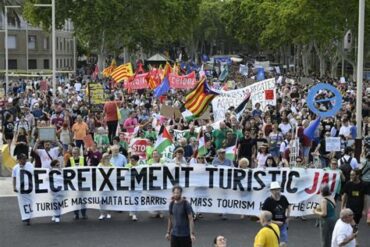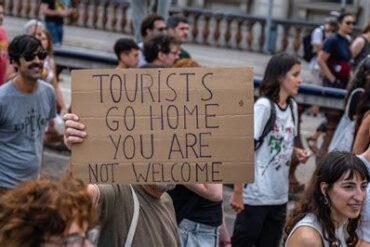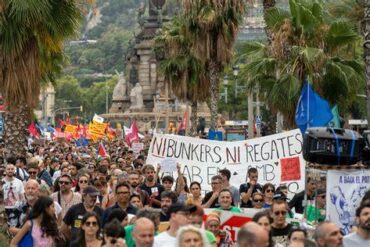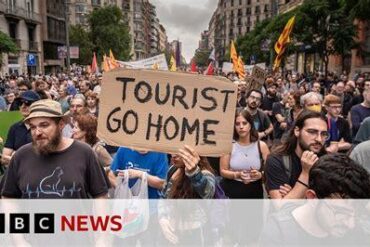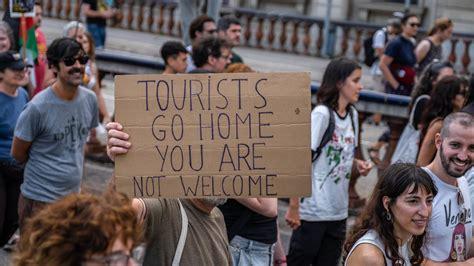
Lisbon, the sun-drenched Portuguese capital long admired for its historic charm, pastel-hued architecture, and unrivaled coastal views, has now joined a growing coalition of Mediterranean cities—Venice, Barcelona, Naples, Ibiza, Valencia, Granada, and Majorca—in mounting intensified anti-tourism protests. What began as isolated complaints against unchecked tourism has escalated into a multi-city movement, unified by grievances against mass tourism’s impact on housing, local infrastructure, and cultural identity. The movement has gained traction quickly and is set to reach a critical flashpoint this weekend, as Lisbon prepares for a major protest march that could redefine the future of tourism policy across southern Europe.
Lisbon’s Breaking Point: From Postcard to Protest Zone
In recent years, Lisbon has undergone a massive transformation fueled by its popularity on travel blogs, Instagram feeds, and budget airline itineraries. Once an underrated European capital, Lisbon now receives over 4.5 million tourists annually, a staggering figure for a city with a resident population under 600,000. The surge has overwhelmed the city’s transportation system, gentrified once-affordable neighborhoods, and contributed to a rising homelessness crisis.
Lisbon’s Mayor, Carlos Moedas, previously celebrated the city’s tourism growth as a “testament to Lisbon’s irresistible allure,” but in recent months, his tone has shifted markedly. Local protest group Habita, in coordination with neighborhood councils, tenant unions, and climate activists, has called for urgent restrictions on short-term rentals, cruise ship traffic, and foreign real estate investment. This weekend’s protest will follow a route from Martim Moniz to Praça do Comércio, symbolically linking Lisbon’s immigrant communities with its historical merchant district, now dominated by souvenir stores and boutique hotels.
Southern Europe Unites in Frustration: A Network of Resistance
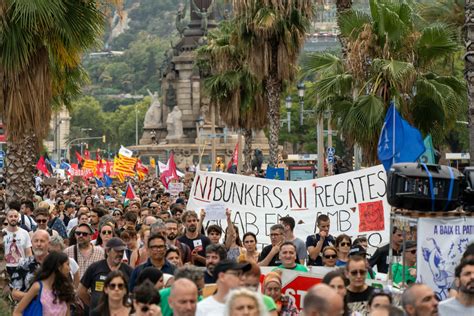
Lisbon’s move is not happening in isolation. It joins a pan-Mediterranean wave of discontent, with cities like Venice, Barcelona, and Naples facing strikingly similar challenges. In Venice, where cruise ships have already been banned from the historic lagoon, protestors claim that municipal enforcement remains inadequate, as smaller vessels continue to disembark hordes of day-trippers, straining waste systems and threatening UNESCO protections.
Barcelona’s anti-tourism demonstrations, ongoing since the early 2010s, have intensified again in 2025. The Platform for Tourism Degrowth, one of Spain’s leading activist groups, has launched a media campaign titled “Barcelona for People, Not Profit”, exposing the corrosive effects of high-volume tourism on Catalan identity, public health, and urban equity.
In Naples, a city that has traditionally welcomed tourism as an economic lifeline, protestors have taken to the streets in the Quartieri Spagnoli, denouncing the conversion of historic apartments into luxury Airbnbs and boutique hotels. The result, they argue, is the forced displacement of long-term Neapolitan families and the commodification of daily life for the sake of spectacle.
Housing Crisis and Economic Displacement
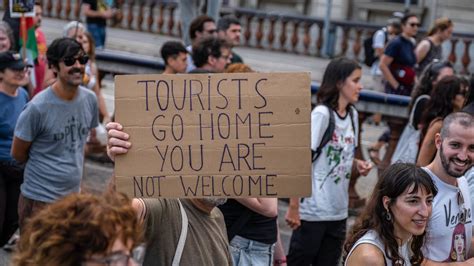
At the heart of the protests across all cities is a housing crisis exacerbated by tourism-driven speculation. In Lisbon’s Alfama and Graça districts, traditional working-class neighborhoods have seen rental prices double in under five years. Entire buildings once home to local families have been repurposed into short-term rental units catering to tourists.
This pattern is mirrored in Valencia, where data from the city council show that over 20% of city-center apartments are now short-term lets. These figures point to a broader phenomenon: the commodification of living spaces, driven by foreign real estate investors and unregulated digital platforms like Airbnb and Booking.com.
Local workers, students, and the elderly are being forced out, replaced by a transient tourist population. Protestors argue that this violates not just economic fairness, but social cohesion and generational continuity.
Cruise Ship Invasions and Environmental Backlash
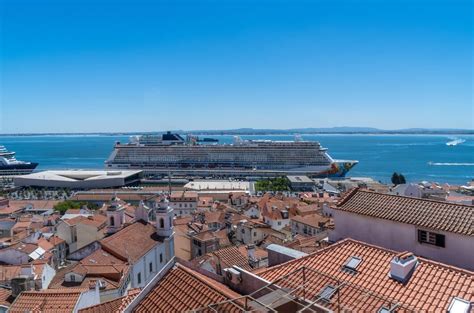
Environmental concerns have also become a flashpoint in this movement. Lisbon’s Santa Apolónia terminal now receives over 500 cruise ships annually, many arriving during the peak summer months. These massive floating cities contribute significantly to air and water pollution, despite efforts to regulate docking hours and emissions.
Majorca, one of Spain’s Balearic Islands, has seen local outcry over the environmental degradation of beaches, coral reefs, and rural ecosystems. The island’s water table has been pushed to critical lows during high season, a result of excessive hotel demand and cruise passenger influx. Ibiza, too, is struggling with waste disposal, noise pollution, and a seasonal labor crisis fueled by tourism’s unsustainable pace.
Cultural Erasure and the Loss of Local Identity
Tourism’s impact goes beyond economics and ecology—it’s increasingly viewed as a threat to cultural integrity. In Granada, home to the iconic Alhambra Palace, local artisans lament the decline of authentic craft markets and the rise of mass-produced souvenirs. Flamenco performers now find themselves relegated to staged dinner shows for tourist buses rather than authentic tablaos meant for local audiences.
The same phenomenon is observed in Valencia, where Las Fallas, a UNESCO-recognized cultural festival, is becoming increasingly corporatized, with large international sponsors replacing community-based funding. Organizers claim that the traditional meaning and grassroots spirit of the event is being stripped away to make it palatable for a global tourist audience.
Lisbon’s Protest Tactics and Weekend Strategy
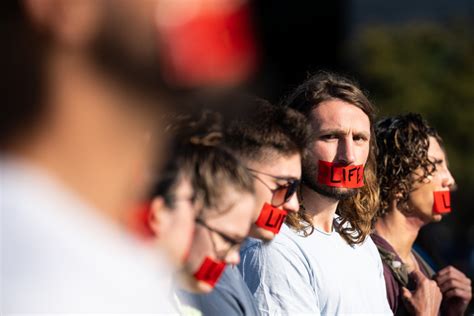
As the movement gains momentum, Lisbon’s demonstrators are evolving in both strategy and tone. Organizers plan to feature performance art, public forums, and street theatre along the protest route. These events are designed not only to dramatize the movement’s claims but to invite residents and tourists alike into a civic dialogue about tourism’s role in urban futures.
One of the protest’s more controversial tactics will include a symbolic blockade of major tourist buses entering the Baixa district, disrupting the normal weekend flow. Police have already stated they will permit peaceful protests but have warned of consequences for disruptive activities.
European Policy Vacuum: Who Controls the Future of Urban Tourism?
One of the starkest revelations from this growing coalition is the absence of coherent European-level tourism governance. While the EU provides funding for cultural preservation and environmental programs, there is no unified regulatory body to address cross-border tourism saturation or to mediate conflicts between local governments and global tech platforms.
This policy vacuum allows platforms like Airbnb, booking agencies, and cruise lines to exploit loopholes from one jurisdiction to the next. Activists are now calling on the European Commission to establish a tourism impact index, similar to environmental impact assessments, to gauge cities’ carrying capacities and enforce restrictions.
The Road Ahead: Local Movements Reshape Global Narratives
As Lisbon joins its Mediterranean counterparts in raising the alarm, the anti-tourism movement is no longer a niche or fringe ideology. It represents a broad-based, multi-generational cry for justice, demanding a reset in how tourism is planned, managed, and distributed. It challenges the notion that economic gain should override the rights of residents, the health of cities, or the integrity of cultural heritage.
For the travel industry, this weekend’s protests may mark a turning point. Destination marketing organizations, once solely focused on boosting visitor numbers, now face increasing scrutiny over their role in enabling the status quo. In 2025, as Destinations International announces its Hall of Fame inductees, it will face a delicate question: Can celebration coexist with accountability?
Lisbon’s alignment with cities like Barcelona and Venice signals that this conversation is no longer theoretical. The time for rethinking tourism is now—and it begins with reclaiming the right to the city.