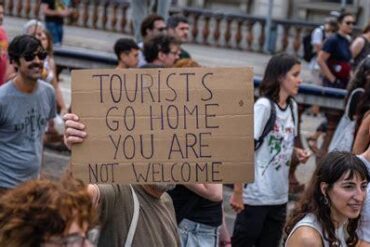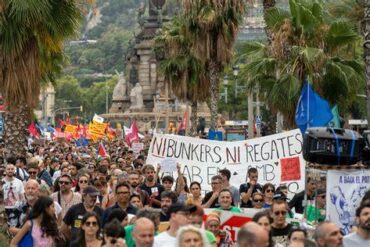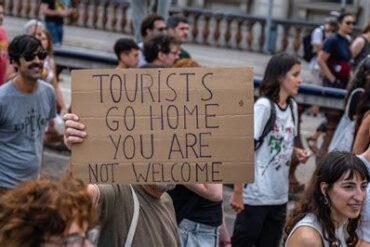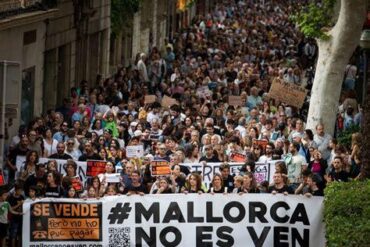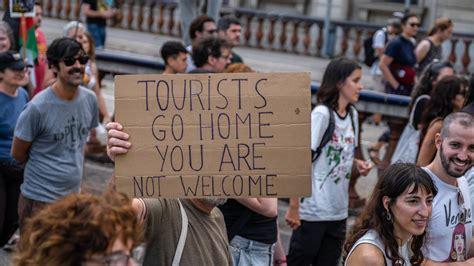
A surge of coordinated anti-tourism protests is sweeping across Southern Europe, with residents in Spain, Portugal, Italy, and France mounting an unprecedented campaign to reclaim their cities from what they describe as the overwhelming tide of mass tourism. The movement, marked by synchronized marches, dramatic airport disruptions, and symbolic water gun demonstrations, threatens to redefine the dynamics of travel at the height of the 2025 summer season.
At the heart of this movement lies a singular cry from the communities that have long shouldered the economic burdens and cultural erosion brought by mass tourism: enough is enough. With international arrivals up by nearly 5% in early 2025, frustrations that have been simmering for years have now reached a boiling point.
Marches Ignite in Iconic Tourist Hubs Across Europe
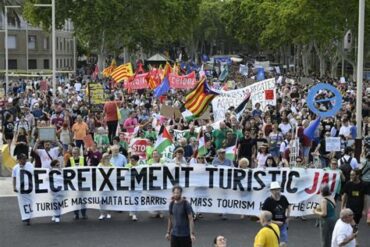
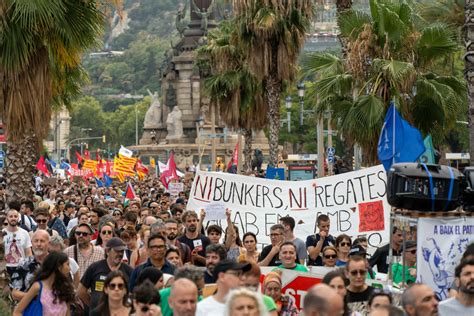
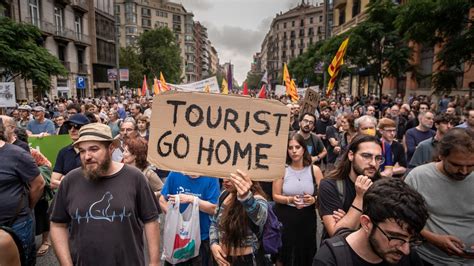
Protesters are flooding the historic streets of Barcelona, Lisbon, Genoa, Venice, and Marseille, among others, transforming cobblestone alleys and seaside promenades into battlegrounds of civil expression. Unlike sporadic demonstrations of the past, this year’s protests are highly strategized and united, catalyzed by an April workshop in Barcelona that brought together grassroots organizations from across the region.
In Spain, major demonstrations have been confirmed in Barcelona, Granada, Ibiza, Majorca, Minorca, and San Sebastián. Portugal will see Lisbon at the epicenter of resistance, while Italy’s protest zones extend from Genoa to potentially Venice. French cities such as Marseille are expected to join the chorus of dissent.
These are not fringe gatherings. Events in past years, such as the 2023 Palma protest that drew over 20,000 people, have proven the seriousness of local discontent. This summer, the visual spectacle of synchronized resistance aims to send a message to both governments and global tourists: locals demand their cities back.
Airport Blockades and Symbolic Street Theater Shake Transit Hubs
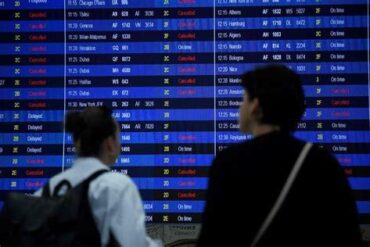
Beyond the plazas and parks, the protests are directly targeting the arteries of European tourism: airports and transport hubs. Protesters have initiated blockades, picketing actions, and partial entry closures in cities experiencing the highest tourist footfall.
In Lisbon, the demonstrations have taken on a dramatic, almost theatrical tone. A key moment will feature a life-size statue of St. Anthony—patron saint of Lisbon—being paraded through the city in mock protest of a military site’s conversion into a luxury hotel. According to Fabiana Pavel of Movimento Referendo Pela Habitação, the aim is to illustrate how even sacred traditions are being displaced by the commodification of real estate.
Water Guns: From Toys to Tools of Protest
Protesters have revived one of the most visually iconic tactics of recent years: the use of water pistols. Originally gaining traction in a July 2023 protest in Barcelona, these harmless but pointed tools are being used again to symbolically “drench” tourists in areas where residents feel overrun.
The water pistols, while playful in appearance, carry a deeper meaning. Organizers argue that the approach is peaceful but impossible to ignore. “They’re harmless but loud. They cut through the noise,” noted one Spanish organizer. But not all municipalities find them amusing. Venice’s city council has already issued warnings against the use of “pistole ad acqua” during demonstrations, threatening fines for participants.
Tourism’s Deep Impact on Housing and Daily Life
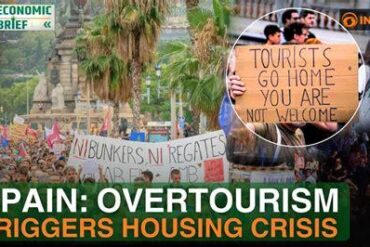
While the protests are grabbing headlines with their creativity, the core grievances remain profoundly serious. Chief among them are housing shortages, skyrocketing rents, and the displacement of long-term residents. The explosion of short-term rental platforms, such as Airbnb, has transformed once-vibrant neighborhoods into transient hotel districts.
In cities like Barcelona and Lisbon, the disappearance of essential services in favor of tourist-oriented shops is affecting quality of life. Where there were once schools, grocers, and pharmacies, now stand an endless line of souvenir stands and fast-food kiosks. In port cities like Venice and Genoa, cruise ships are dumping thousands of passengers daily into towns ill-equipped to handle the environmental and infrastructural toll.
Activists’ demands are stark and sweeping: limit the number of tourists, cap short-term rentals, restore housing for residents, and halt the conversion of community spaces into luxury accommodations.
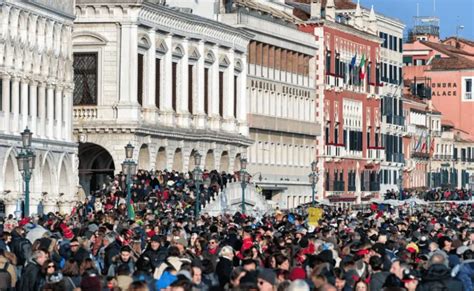
Local Governments Face Crossroads Amid Global Scrutiny
Caught between tourist revenue and resident rage, city governments are walking a tightrope. Barcelona Tourism Board Director Mateu Hernández has publicly reaffirmed that the city remains welcoming to tourists, but acknowledged the challenge of balancing visitor influx with livability. “Barcelona is a beloved city where tourists are warmly received,” he stated, “but we are working to improve balance.”
Despite these reassurances, viral videos of mock evictions, human chains, and airport sit-ins are sparking concerns among potential travelers. Online travel forums and booking platforms are reporting a surge in inquiries about whether it is “safe or ethical” to visit Southern Europe this summer.
The travel industry is feeling the tremors. Tour operators, airlines, and cruise companies are now being forced to reconsider logistics, reroute passengers, and provide reassurances to clients. The public relations challenge is formidable: maintain the allure of European summer holidays without trivializing or clashing with resident movements demanding structural reform.
What Tourists Need to Know This Summer
If your travel itinerary includes any of the major cities involved in these protests—especially during mid to late June—expect disruptions. Roads may be blocked. Tourist landmarks might be temporarily closed or surrounded by demonstrators. Airports such as Barcelona-El Prat, Lisbon Humberto Delgado, and Venice Marco Polo could face delays or picket lines.
While most protests are planned to be peaceful and performative, travelers should anticipate a palpable shift in atmosphere. Expect heightened police presence, unexpected detours, and emotionally charged public displays. Some local businesses may temporarily shut their doors in solidarity or as a precaution.
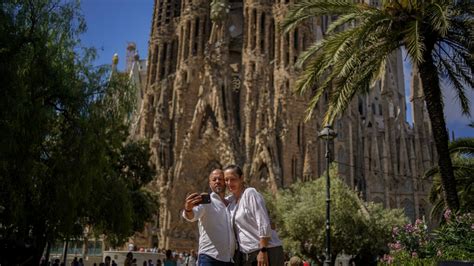
That said, many activists stress that tourists are not the enemy—unchecked policy is. There’s growing encouragement for what’s being called “responsible tourism”: staying in licensed hotels, avoiding overcrowded hot spots, supporting local artisans, and learning about local culture beyond Instagrammable backdrops.
Reimagining the Future of European Tourism
The coordinated protests across Spain, Portugal, Italy, and France are not merely flashpoints of anger—they are signals of a much deeper reckoning. Europe, the most visited continent in the world, is being forced to confront the long-term costs of tourism dependence. The question now is not whether tourism should exist, but how it must change.
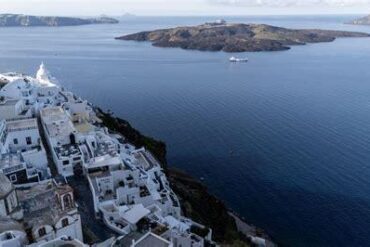
Some cities outside of this protest network are already making changes. Bruges in Belgium has implemented caps on tourist groups. Santorini has restricted daily cruise arrivals. But for many of the protest cities, those changes are either absent or inadequate.
This summer, the streets of Southern Europe are not just stages for sightseeing—they are platforms for civic resistance. With thousands mobilizing, statues marching, water guns firing, and flights delayed, the message is clear and thunderous: the right to live must outweigh the right to visit.
Whether this movement sparks genuine policy reform or fades into another seasonal disruption will depend on how governments, the tourism industry, and travelers respond. But one thing is certain: Europe’s postcard-perfect destinations are demanding to be seen—and heard—not just admired.