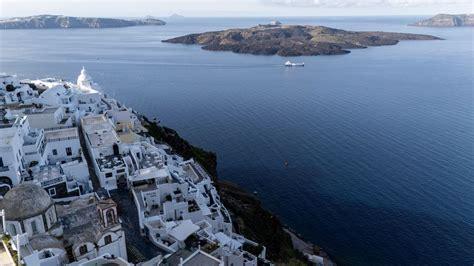
In 2025, Santorini, Greece’s iconic jewel known for its stunning sunsets and picturesque architecture, finds itself in a unique predicament as it faces an unexpected slowdown in tourism. This dip comes amidst recent seismic activity, where a series of earthquakes rattled the island, causing ripples of concern among potential travelers. As the summer peak season approaches, the effects of these geological disturbances are prompting many would-be visitors to reconsider their plans.
The earthquakes, which struck earlier this year, included numerous tremors, some reaching magnitudes of 5.3. While the seismic activity has subsided and life on the island has resumed normalcy, the psychological impact lingers, leading to a noticeable decline in tourist numbers compared to previous years. The usually bustling streets of Santorini have seen a reduction in foot traffic, sparking discussions about the long-term implications of such natural events on tourism.
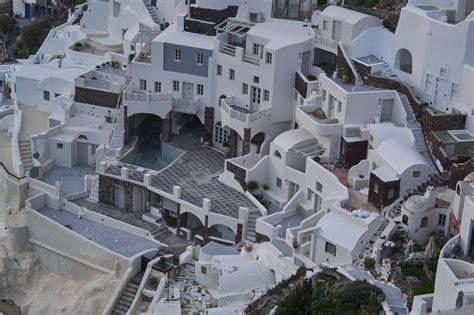
The Response to Overtourism
Interestingly, this downturn in visitor numbers has been met with a mixture of relief and concern within the travel community. Over the past few seasons, Santorini has grappled with the challenges of overtourism. The island has often been inundated with visitors, sometimes accommodating up to seven large cruise ships on peak days, leading to overcrowding and strain on local infrastructure. This has not only affected the experience for tourists but has also raised questions about the sustainability of such high volumes of visitors.
In response to these challenges, Greek authorities have initiated several reforms aimed at regulating tourism more effectively. Starting from July 1, 2025, a new cruise passenger tax will be implemented for high-traffic islands like Santorini and Mykonos. This measure aims to protect the delicate environment of the islands while ensuring that local economies can continue to benefit from cruise tourism. Furthermore, there are ongoing discussions regarding a potential cap on the number of cruise vessels allowed to dock daily, a move aimed at preserving both the cultural integrity and environmental health of these stunning destinations.
Luxury Travel: A Bright Spot
Despite the challenges posed by earthquakes and regulatory changes, there is a silver lining for Santorini’s tourism sector. Luxury travel options have seen a resurgence in interest. Tour operators specializing in premium experiences, such as yacht excursions across the Aegean Sea, are reporting a rebound in bookings. Travelers seeking exclusive experiences are gravitating towards private tours that allow them to explore the beauty of the island away from crowded tourist spots.
This trend highlights a shift in traveler preferences, as more individuals prioritize unique, high-end experiences over the traditional tourist pathways. The demand for luxury travel in Santorini underscores the island’s enduring allure, even in the face of adversity. As travelers seek to connect more deeply with their destinations, Santorini remains a top choice for those looking to indulge in opulence while enjoying breathtaking vistas and rich cultural experiences.
Exploring the Mainland: A Shift in Focus
In addition to the renewed interest in luxury offerings, there is a notable trend towards exploring mainland Greece. As travelers become more conscious of their impact on popular destinations, many are opting for historical cities and archaeological landmarks that offer a less-crowded alternative to the island circuit. Cities such as Athens, Thessaloniki, and Delphi are gaining traction among tourists eager to delve into Greece’s rich heritage without the pressures associated with high-traffic tourist hotspots.
This shift could signify a broader change in the tourism landscape, as visitors seek a more balanced experience that embraces both the natural beauty of the islands and the historical depth of the mainland. The diverse offerings of Greece provide ample opportunity for travelers to curate their own unique itineraries, enhancing their overall experience while reducing the strain on individual locations.
The Future of Santorini Tourism
The year 2025 presents a complex tapestry for Santorini’s tourism narrative. On one hand, the natural events and subsequent regulatory changes have temporarily dampened the frenetic pace of visitation. On the other hand, the island’s intrinsic charm continues to captivate travelers worldwide. As the tourism landscape evolves, it becomes evident that Santorini must navigate these challenges with a focus on sustainability and resilience.
This unexpected slowdown may provide a crucial opportunity for reflection and adaptation within the tourism sector. Local businesses, faced with reduced foot traffic, are encouraged to rethink their strategies and develop offerings that align with emerging traveler preferences. By prioritizing sustainable practices and promoting a more balanced distribution of visitors throughout the year, Santorini could enhance its reputation as a responsible travel destination.
In conclusion, while the immediate effects of earthquakes and regulatory shifts have posed challenges for Santorini’s tourism industry, the island’s enduring appeal remains unscathed. As travelers increasingly seek meaningful experiences and broader explorations, Santorini stands poised to adapt and thrive in this new era of travel. With careful planning and a commitment to sustainability, the island’s future as a leading Mediterranean destination seems bright, paving the way for a more thoughtful approach to tourism management.