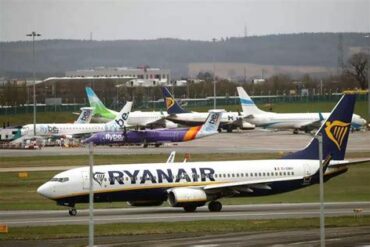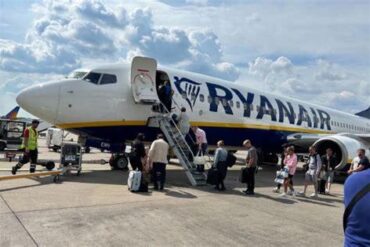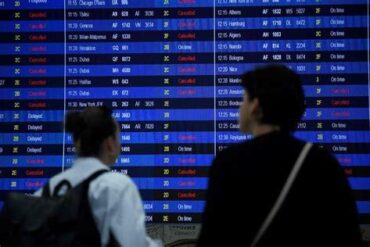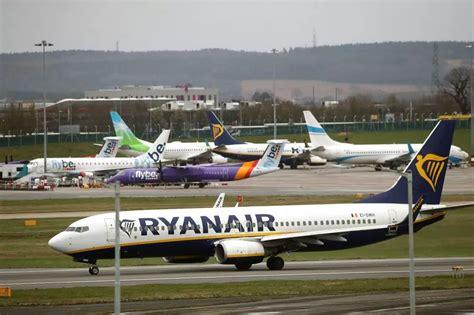
Portugal’s tourism-dependent economy is bracing for a potential crisis as airport bottlenecks and unacceptable immigration delays threaten to unravel the summer travel season. At the forefront of the growing concern is Ryanair, Europe’s largest low-cost airline, which has issued a stark warning to Portugal’s newly established government. The airline demands urgent intervention to address what it describes as a systemic failure at key international entry points, including Lisbon, Faro, and Porto airports.
The delays, centered primarily around understaffed passport control, have already resulted in hundreds of passengers missing flights and enduring hours-long queues upon arrival. With peak season underway and international arrivals surging, the situation is rapidly deteriorating.
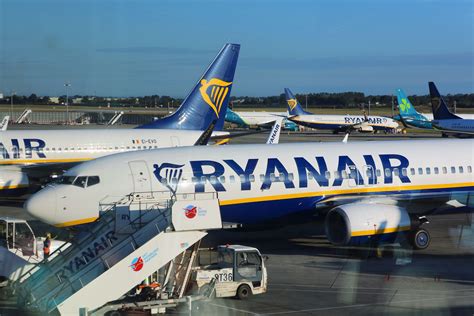
Severe Immigration Delays Derail the Start of Portugal’s Summer Tourism
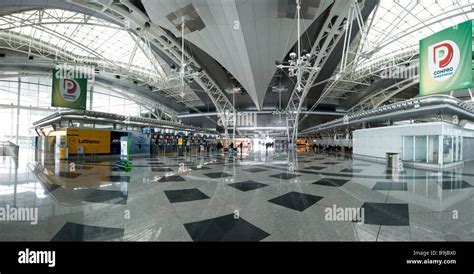
Portugal is facing a situation it can no longer afford to ignore. Border control delays have escalated beyond mere inconvenience, morphing into a logistical nightmare that is damaging both traveler experience and the country’s international reputation. The current scenes at Lisbon, Porto, and Faro airports are far removed from the postcard-perfect image that Portugal typically presents.
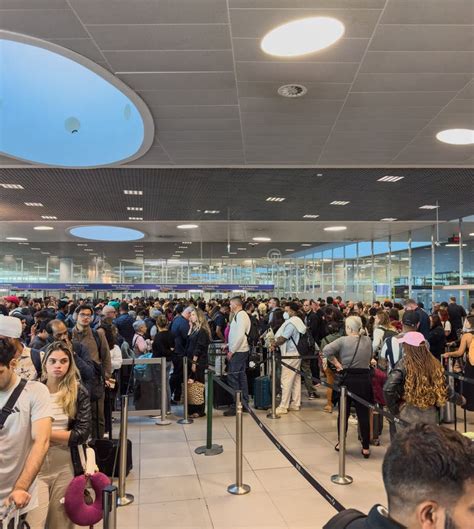
Passengers arriving from non-Schengen countries are now facing queues of up to two and a half hours before passing through immigration. These delays are not isolated incidents. They’ve become routine, stretching across multiple days and affecting thousands.
The blame is falling squarely on ANA – Aeroportos de Portugal, which Ryanair accuses of failing to scale border staffing in line with seasonal demand. While planes land on time and baggage carousels spin efficiently, it’s the passport checkpoint—the literal gateway to Portugal—that has become the weakest link.
Ryanair’s Political Ultimatum: Fix the Problem or Lose Tourists
For Ryanair, this isn’t just about operational disruption. It’s a strategic red flag. The airline has gone public, demanding immediate and visible action from Portugal’s new administration. The message is clear: without a swift government-led response, the summer travel season could collapse under the weight of preventable inefficiencies.
Ryanair is calling for a rapid deployment of additional immigration officers and smarter queue management at high-volume airports. The airline warns that continued inaction will result not only in missed flights but also lasting reputational damage that could see travelers choosing more efficient destinations such as Spain or Italy.
The True Cost of Missed Flights and Fractured Plans
From May 26 to June 9 alone, Ryanair reported nearly 270 missed flights directly linked to immigration delays. The fallout from these disruptions extends beyond numbers. Families have had to rebook entire vacations. Seniors have been forced to wait for hours without proper facilities. And tour groups have had carefully crafted itineraries destroyed by immovable lines at passport control.
These are not isolated tales of travel gone wrong—they are the emerging norm at Portugal’s airports. With every day that passes without a solution, the country is not just losing flights—it’s losing faith among travelers who once considered it a hassle-free European destination.
Portugal’s Image Problem: A Tourism Economy at Risk
Tourism accounts for approximately 15% of Portugal’s GDP, making it one of the nation’s most vital economic pillars. The pandemic already battered the sector. Now, just as global travel rebounds, a failure in border control threatens to reverse those fragile gains.
The problem is not a lack of infrastructure. Portugal has the airports, the hotel capacity, the cultural offerings, and the natural beauty to attract millions. But it’s failing at the most basic level of visitor engagement: entry.
And this failure is damaging brand Portugal. In the digital age, where reviews and experiences are shared instantly, poor airport management can ripple out in real time. Social media is already flooded with videos of disgruntled travelers stuck in endless lines, warning others to “avoid flying into Portugal this summer.”
A Misalignment of Resources and Reality
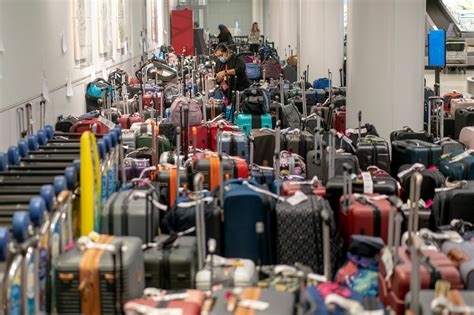
The problem is exacerbated by the mismatch between passenger volume and border staffing. Portugal is not under siege—it’s under-resourced. Airlines have ramped up capacity, hotels are fully booked, and demand is stronger than it has been in years. But immigration desks remain staffed as though it were the off-season.
Ryanair’s frustration lies in this contradiction. Why increase seat capacity if the entry system can’t handle it? Why advertise Portugal’s tourism revival when the first impression is hours of frustration?
Government Urgency Required Before the Season Peaks
July and August represent the absolute zenith of Portugal’s tourism calendar. These months generate a significant percentage of annual tourist revenue. And yet, as we near mid-June, no firm government response has been announced.
Portugal’s new government finds itself with a narrow window to act decisively. Deploying more border agents, installing temporary e-gates, and coordinating closely with airlines and airport authorities could still salvage the summer. But the timeline is tight, and the consequences of delay are steep.
Not Just a Ryanair Problem: Industry-Wide Ripple Effects
While Ryanair has been the most vocal, it is not the only airline affected. Carriers across the board are facing delays, missed connections, and disgruntled passengers. Tour operators are reconsidering Portugal as a summer staple. And business travelers, who expect efficiency above all, are voicing serious concerns about future travel to the region.
The ripple effect extends to local economies, particularly in tourism-dependent areas such as the Algarve. Missed flights lead to empty hotel rooms, cancelled car rentals, and fewer restaurant patrons. In a tourism economy, disruption at the airport quickly translates into economic pain across the supply chain.
The Fix: Immediate Staffing and Long-Term Infrastructure Planning
This is not a call for total reinvention—it is a demand for responsiveness. Portugal has the tools, but it must now act with urgency and clarity. Border control is a government responsibility, and in moments like this, it becomes a litmus test for governance.
Short-term, the fix is clear:
- Deploy emergency immigration personnel to high-volume airports.
- Coordinate with airlines on arrival peaks and schedule border staffing accordingly.
- Improve passenger communication and queue management with real-time updates.
- Consider temporary fast-track lanes for families and elderly travelers.
Long-term, Portugal must reevaluate its border control infrastructure. Seasonal demand forecasting, investment in e-gates, and smarter arrival scheduling should become the new standard.
The Clock Is Ticking: Will Portugal Salvage Its Summer?
Portugal is at a crossroads. The situation is not beyond repair, but time is rapidly running out. Every day without action deepens the scars on its travel reputation. Tourists are not just spending their money—they’re spending their trust. And once lost, that trust is difficult to regain.
Ryanair’s warning is loud and clear: Portugal must act now to prevent a complete breakdown of its summer travel infrastructure. The skies may be clear and the hotels ready, but if passengers can’t get past immigration without chaos, the season may already be lost.
Portugal must decide what kind of destination it wants to be: one that greets visitors with a warm welcome—or one that greets them with a queue.