The United Kingdom is emerging as one of the most exposed aviation markets in Europe as a looming jet fuel shortage threatens to disrupt peak summer travel. With oil prices climbing toward $200 per barrel and geopolitical tensions constraining supply routes, industry leaders are warning that cancellations, reduced capacity, and higher fares could soon become unavoidable realities for millions of passengers.
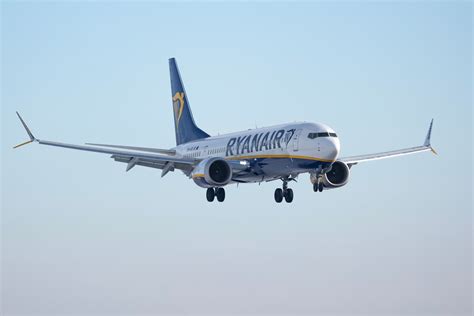
At the center of the warning is Ryanair CEO Michael O’Leary, who has bluntly identified the UK as “the most vulnerable” among European nations. The reasoning is stark: a heavy reliance on imported oil—particularly from Kuwait—combined with fragile global shipping routes has created a perfect storm of risk. As demand surges into the summer travel season, the margin for disruption is shrinking rapidly.
Why the UK Is Uniquely Exposed to Fuel Supply Shocks
The UK’s vulnerability lies not just in rising prices but in structural dependence. Roughly 25% of the country’s oil imports originate from Kuwait, with shipments passing through the strategically critical Strait of Hormuz. This narrow maritime corridor has become increasingly unstable amid the ongoing Iran crisis, where tighter controls and regional tensions have complicated tanker movements.
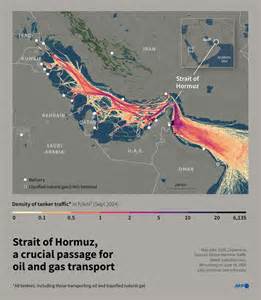
Even if oil production remains steady in the Middle East, the challenge is no longer just extraction—it is transportation. Tankers face delays, rerouting, or outright restrictions, creating bottlenecks that ripple across global supply chains. For aviation, where Jet A-1 fuel availability is non-negotiable, such disruptions translate quickly into operational strain.
Airlines operating in the UK are therefore confronting a dual threat: elevated fuel costs and uncertain physical supply. Unlike price volatility, which can be partially managed through financial hedging, actual shortages leave carriers with few options beyond cutting flights.
Airlines Brace for a Summer of Capacity Cuts and Uncertainty
The timing of this crisis could hardly be worse. The summer quarter represents the most critical revenue period for airlines, with fleets operating at near-maximum capacity to meet vacation demand. Any disruption during this window has outsized financial and logistical consequences.
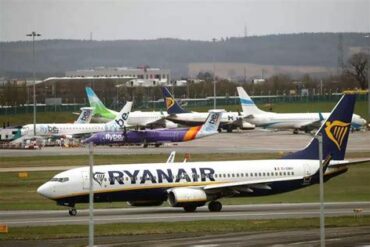
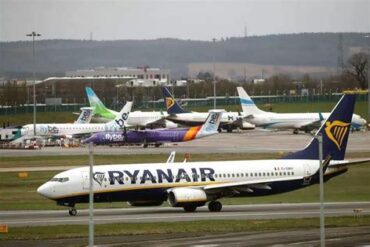
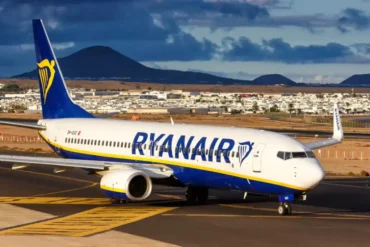
Ryanair has so far avoided sweeping network cuts, but its stance is shifting. Weekly schedule reviews are now the norm, and contingency plans are being drawn up. If shortages intensify, the airline may begin targeted cancellations, particularly at airports where fuel availability becomes inconsistent.
Other carriers are already taking preemptive action. United Airlines, for example, has implemented a 5% reduction across its summer network, signaling a broader industry trend toward cautious capacity management. The logic is simple: it is better to trim schedules early than to cancel flights at the last minute, when the operational and reputational costs are far higher.
Yet the uncertainty creates a difficult balancing act. Cancel too soon, and airlines sacrifice revenue unnecessarily. Wait too long, and they risk widespread disruption that could cascade across entire networks.
Fuel Hedging Offers Financial Relief—but Not Physical Supply
European airlines have one advantage: robust fuel hedging strategies. Ryanair, in particular, has secured approximately 80% of its fuel needs through March 2027 at around $67 per barrel, insulating it from the worst of the current price surge. Competitors like easyJet have adopted similar strategies, providing a financial buffer that many US airlines lack.
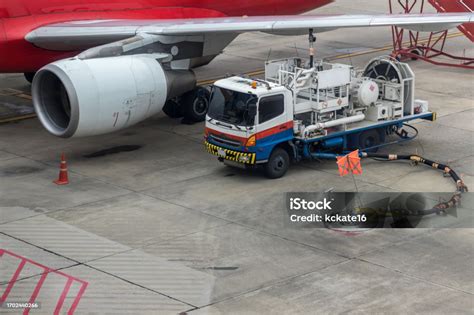
However, hedging does not solve the core issue of availability. Contracts can lock in prices, but they cannot guarantee that fuel will physically arrive at airports when needed. This distinction is crucial. Even well-hedged airlines may be forced to cancel flights if supply chains falter.
As a result, carriers are exploring additional measures, including raising ticket prices and increasing fuel surcharges. For passengers, this means that even flights that operate as scheduled may come at a significantly higher cost.
Government Reassurances Clash With Industry Warnings
The UK government has sought to calm concerns, maintaining that fuel supplies remain stable and encouraging travelers to proceed with their summer plans. This message is designed to prevent panic and sustain consumer confidence in the travel sector.
Yet the tone from European institutions is notably more cautious. The European Union has advised citizens to consider rail and road alternatives, reflecting a broader recognition that aviation fuel shortages could escalate quickly if current conditions persist.
This divergence highlights a deeper uncertainty: the situation is not yet a full-blown crisis, but it is perilously close. The difference between stability and disruption may hinge on factors largely خارج airline control—geopolitics, shipping logistics, and refinery output.
What Travelers Should Expect in the Months Ahead
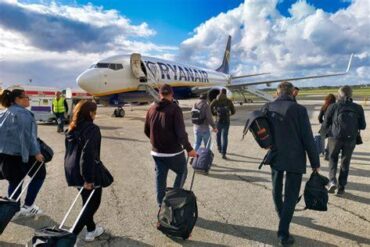
For passengers, the implications are becoming clearer by the day. Flexibility will be essential. Travelers may face schedule changes, last-minute cancellations, or higher fares, particularly on routes heavily dependent on constrained fuel supplies.
Airlines are likely to prioritize high-demand and high-yield routes, preserving capacity where it matters most commercially. Less profitable or lower-demand services could see reductions first, reshaping travel options across the network.
There is also a growing possibility that disruptions will occur airport by airport, rather than uniformly across entire airlines. This localized impact means that two flights on the same carrier could face very different outcomes depending on fuel availability at their respective departure points.
A Fragile System Under Mounting Pressure
The unfolding fuel crisis underscores just how interconnected and fragile the global aviation ecosystem has become. A disruption in a single maritime chokepoint can cascade into widespread operational challenges thousands of miles away. For the UK, its reliance on imported fuel has amplified that vulnerability at precisely the moment when demand is peaking.
As summer approaches, the industry stands at a crossroads. If supply lines stabilize, the worst-case scenarios may be avoided. If not, the combination of high prices and limited availability could trigger a wave of cancellations that reshapes the travel season.
For now, the warning signs are unmistakable—and the margin for error is vanishingly thin.