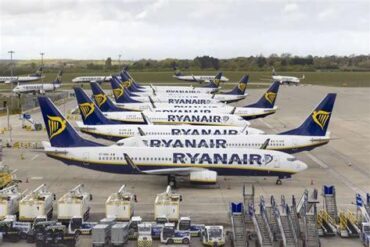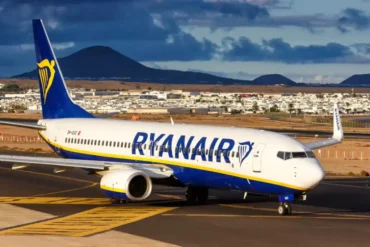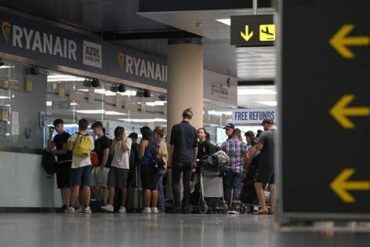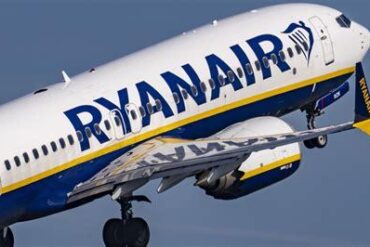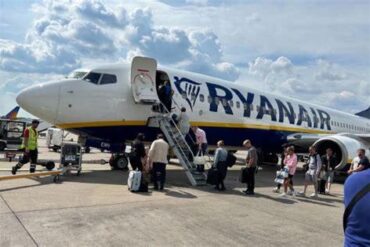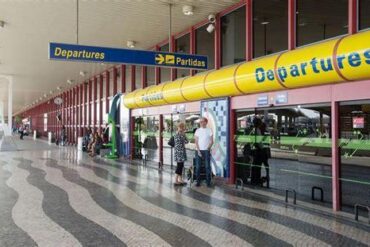
Spain’s summer travel season in 2025 has been upended by a massive operational pullback from Ryanair, the continent’s largest low-cost carrier. In a sudden and sweeping move, the airline slashed nearly 800,000 seats from its Spanish schedule, citing rising airport fees and a simmering dispute with the national airport authority, Aena. The fallout has left regional airports crippled, stranded countless travelers, and forced a new wave of price hikes and travel rerouting across the country.
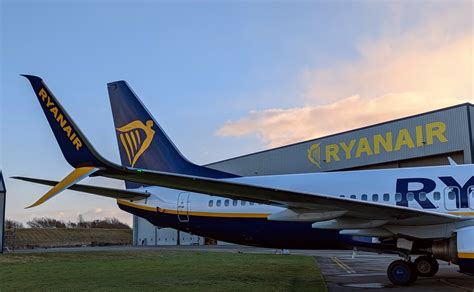
Ryanair’s Retreat Sends Shockwaves Through Spanish Airspace
The heart of the disruption stems from Ryanair’s abrupt decision to terminate services at key regional bases, notably Jerez and Valladolid. With those bases shuttered, communities once served by affordable and direct flights have been cut off from the country’s air network, forcing travelers to make inconvenient and expensive detours.
Previously, Jerez and Valladolid played critical roles in connecting lesser-known regions with major urban and international hubs. Ryanair’s complete withdrawal from these cities left a void no other airline has yet filled. Travelers now face the grim choice of hours-long rail or road journeys just to access a functioning airport.
Silent Cuts Ripple Across Smaller Airports
While Jerez and Valladolid bore the brunt of Ryanair’s withdrawal, the damage spread far wider. Other regional hubs like Reus, Zaragoza, Santander, and Almería experienced stealth cuts—routes silently dropped from booking systems with minimal public communication. Many vacationers, especially families who booked months in advance, found themselves scrambling for alternatives or confronting last-minute cancellations.
These smaller airports, once thriving on Ryanair’s frequency and affordability, are now grappling with plummeting passenger numbers and rising operating costs. In many cases, the removal of a single low-cost carrier can render the entire airport economically unsustainable.
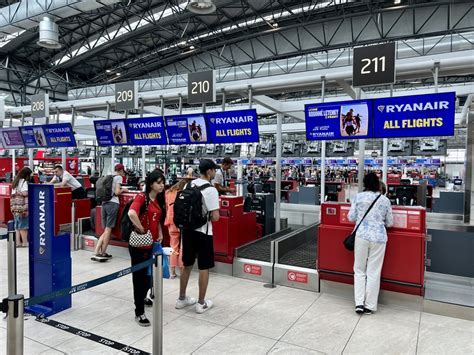
The Numbers Behind the Disruption
Ryanair’s reduction amounts to a staggering 18% cut in its Spanish summer capacity. Dozens of both domestic and international routes were slashed or eliminated entirely. High-demand routes—such as Madrid to Barcelona, Seville to Palma de Mallorca, and Valencia to Rome—have seen reduced frequencies or been discontinued, shattering the backbone of weekend city breaks and affordable business travel.
The result? A fragmented national flight network where some regions are increasingly isolated, and even Spain’s typically robust tourism infrastructure begins to feel the strain.
A Battle Over Airport Fees: Ryanair vs Aena
At the center of the fallout lies a contentious standoff between Ryanair and Aena, the state-owned airport management company. Ryanair argues that new airport fee hikes render many Spanish airports economically unviable, particularly for low-margin, high-frequency operations typical of low-cost carriers. The airline describes the increased charges as “punitive” and says it is being forced to consolidate operations to protect profitability.
Aena, on the other hand, insists that Spain remains among the most affordable aviation markets in Europe. It notes that its airport charges have been frozen for nearly a decade, and modest increases are required to fund infrastructure upgrades and sustain high service standards. Aena points to cities like Frankfurt, Heathrow, and Schiphol, where operational fees are significantly higher—up to 60% more, in some cases.
Travelers Bear the Brunt
Regardless of who’s to blame, the impact is being felt most acutely by travelers. With fewer flights and constrained airport options, prices on remaining routes have surged. Spontaneous travel has become impractical. Early morning or late-night flights—ideal for weekend escapes—have disappeared. Those flying for weddings, funerals, or urgent business have been particularly hard-hit.
Many passengers now funnel through Madrid, Malaga, or Barcelona, creating new headaches: crowded terminals, overbooked flights, and reduced seat availability. Spain’s major hubs, already bustling during peak months, are nearing operational overload.

Regional Economies at Risk
The effects of Ryanair’s cuts extend beyond the immediate inconvenience of travelers. Local economies that depend on budget airline tourism are facing serious economic ripple effects. Small towns and coastal enclaves that once thrived on low-cost European tourism are watching hotel bookings decline and local restaurants empty out.
In Jerez, known for its wineries and flamenco festivals, and in Valladolid, a gateway to the Castilian heartland, the departure of Ryanair means not just fewer tourists—but also fewer jobs and lower revenues. This sudden blow could widen the economic divide between urban and rural Spain, where infrastructure investment and economic opportunity are already uneven.
A Turn Toward Centralization and Higher Costs
What’s unfolding in Spain appears to be a paradigm shift in travel accessibility. For years, low-cost carriers like Ryanair democratized air travel, making even small-town residents frequent flyers. But now, that progress is being rolled back. Spain’s air travel is quickly centralizing around major metropolitan hubs, leaving the periphery to fend for itself.
Travelers who once enjoyed the flexibility of flying from their doorstep now must make costly and time-consuming treks to centralized departure points. For tourists, the convenience of flying into lesser-known gems has evaporated. And for the airline industry, the situation raises concerns over market consolidation and reduced competition.
Long-Term Implications and an Uncertain Future
The standoff between Ryanair and Aena shows no signs of abating. Ryanair remains publicly defiant, refusing to return to high-fee airports. Aena, meanwhile, is unlikely to backtrack on fee increases necessary for sustainable infrastructure development. Until a compromise is reached, travelers will continue to pay the price—literally and figuratively.
There is growing speculation over whether other low-cost carriers like Vueling, easyJet, or Wizz Air might step in to fill the void. Yet for now, most airlines are cautious, especially with profit margins narrowing due to inflation and rising fuel costs.
If Ryanair continues to retreat—and if other airlines follow suit—Spain could face a future where budget air travel is no longer a universal right, but rather a privilege reserved for those living in or near major urban hubs.
Conclusion: A Reshaped Travel Landscape
As summer 2025 unfolds, Spain’s skies are notably emptier. The abrupt disappearance of 800,000 Ryanair seats is more than a scheduling hiccup—it’s a systemic shock to the country’s aviation ecosystem. Regional airports lie dormant, travel costs are climbing, and the once-fluid network of low-cost options has fractured.
Unless Ryanair and Aena find a path forward, this situation may well define a new normal in Spanish travel—one where flexibility, affordability, and regional accessibility are all sacrificed in the name of corporate brinkmanship. For now, the message is clear: the age of cheap, convenient flying in Spain may be coming to a turbulent close.