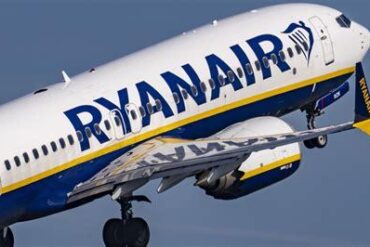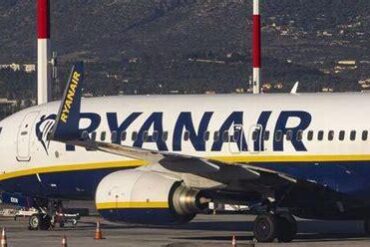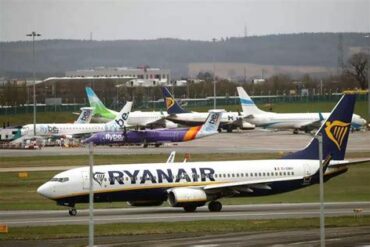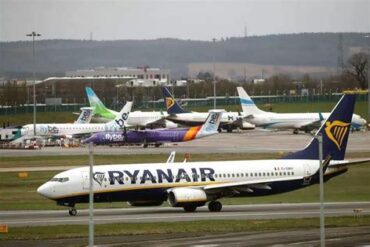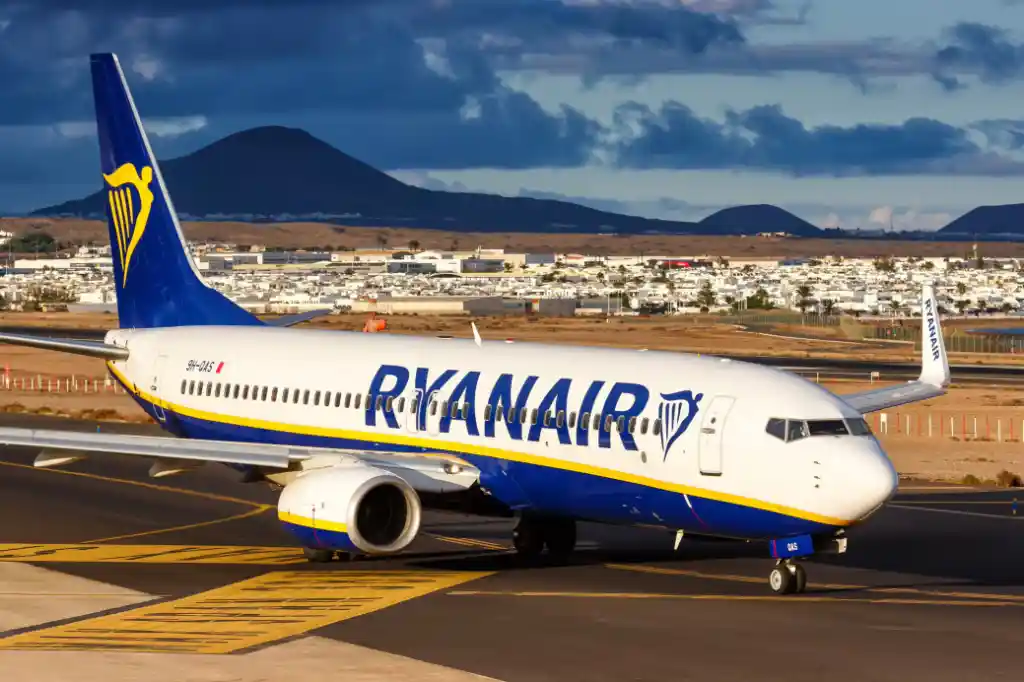
The escalating standoff between Ryanair and Aena, Spain’s airport operator, is reaching a boiling point as Europe’s largest low-cost airline threatens sweeping cuts to flight services across Spain’s smaller regional airports. The root of the conflict lies in Aena’s plan to implement its largest airport fee hike in a decade, paired with a multi-billion-euro investment program aimed at upgrading Spain’s primary aviation hubs.
As Aena pushes forward with an average 6.5% increase in airport fees, the repercussions may be deeply felt not only by airlines but also by the smaller towns and regions that rely on low-cost carriers to keep tourism and commerce alive. Ryanair, under the outspoken leadership of CEO Michael O’Leary, has responded with aggressive rhetoric and strategic route adjustments, warning that “some regional airports will close this winter” unless the fee hike is reversed.
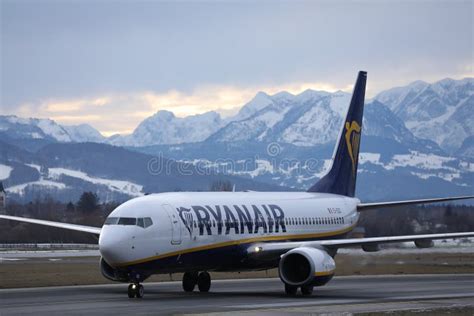
Ryanair Pulls Back from Spain’s Smaller Airports
Ryanair’s threat is not empty. The airline has already acted. This summer alone, it cut 800,000 seats and canceled 12 routes—many of which served lesser-known regional airports like Jerez and Valladolid, where operations have now been completely halted. The airline’s summer capacity has been trimmed in Santiago de Compostela, Asturias, Cantabria, and Zaragoza, further signaling its strategic shift away from Spain’s lower-traffic airfields.
Conversely, Ryanair is expanding operations at major airports, adding 1.5 million seats at hubs like Madrid, Málaga, and Alicante. These moves underline the carrier’s evolving focus on profitability, redirecting resources to high-volume routes where economies of scale and greater passenger demand mitigate the impact of rising fees.
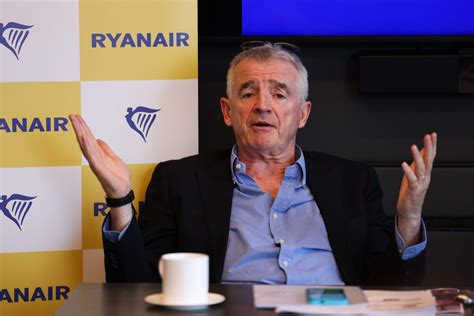
Michael O’Leary minced no words in his criticism of Aena: “If these unjustifiable fee hikes go ahead, Ryanair will have no choice but to reduce services further,” he said, emphasizing that smaller airports, lacking volume and profitability, will bear the brunt.
Aena’s Fee Hike: A Costly Gamble
The planned 6.5% increase in airport fees—slated to take effect in 2026—marks the end of a near-decade-long freeze instituted by legislation in 2015. Under the new proposal, the Adjusted Maximum Revenue per Passenger (IMAAJ) would increase from €10.35 to €11.03, an average rise of €0.68 per passenger.
Aena defends the move, asserting that massive infrastructure upgrades are overdue and necessary to prepare Spain’s aviation network for future growth. Key projects include runway expansions and terminal upgrades at major hubs such as Barcelona El Prat and Madrid Barajas.
Yet, Ryanair remains unconvinced. According to O’Leary, “These infrastructure upgrades are not urgent and merely add unnecessary cost burdens that passengers will ultimately pay for.” He criticized Aena’s justification as an excuse to pad operating expenses and burden airlines with the bill.
Regional Airports at Risk: Economic Fallout Looms
The potential fallout extends far beyond Ryanair’s profit margins. For many of Spain’s regional economies, the loss of Ryanair services could be devastating. Cities like Zaragoza, Valladolid, and Jerez are heavily reliant on Ryanair to provide not only domestic but also international connectivity.
Tourism-dependent municipalities, especially those recovering from the COVID-19 pandemic’s lingering effects, now face the grim possibility of drastically reduced traveler inflow. Regional hospitality businesses, events, and even universities that benefit from affordable travel options may see sharp declines in visitation.
In the words of one tourism board official from Andalusia, “Without Ryanair flights, our international tourist numbers could drop by half during the winter months. There’s simply no substitute ready to fill that gap.”
The winter season poses a particular threat. Seasonal downturns already put pressure on regional airports, and Ryanair’s decision to cut more winter routes could force some of these facilities into hibernation or outright closure, a scenario that O’Leary hinted is not just possible but likely.
Big Hubs Win as Budget Carriers Consolidate
Ryanair’s reshuffling strategy is rooted in pure cost-efficiency. By scaling down at lower-yielding airports and redirecting flights to high-traffic hubs, the airline aims to protect its razor-thin margins.
Airports like Madrid, Málaga, and Alicante present more robust opportunities. These hubs serve millions of travelers annually, with existing infrastructure that supports greater capacity and more efficient turnaround times. They also serve as battlegrounds against other budget airlines like Vueling and easyJet, pushing Ryanair to maintain presence and market share where it counts the most.
Ryanair’s pivot may offer stability for its bottom line, but small communities and regional economies are paying the price. While the company’s model historically favored point-to-point routes into underserved markets, the current shift reveals a pragmatic, if brutal, prioritization of profitability over public service.
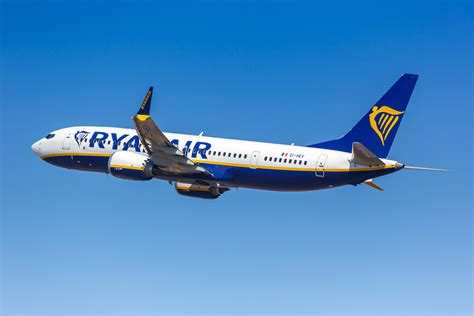
Investment vs. Accessibility: The Policy Paradox
At the heart of this standoff lies a troubling paradox. Aena’s ambitious investment plan—which includes upgrading passenger terminals, building new runways, and expanding airfield capacity—is meant to future-proof Spain’s aviation infrastructure. Yet, these very upgrades may be contributing to the loss of accessibility for smaller regions, at least in the short term.
The tension encapsulates a wider debate seen across Europe: Should airport investment focus on large-scale, high-traffic hubs, or should it strive to preserve access and affordability for smaller communities?
With budget airlines like Ryanair now openly opposing fee-driven expansion, the Spanish government and aviation authorities face a tough balancing act. If investment continues at the cost of raising fees, airlines may pull out. But if infrastructure is neglected, airports may fall behind global standards.
What Comes Next?
The relationship between Ryanair and Aena appears to be entering a crucial phase. The upcoming months will reveal whether either side is willing to compromise. For now, Ryanair has made clear that its expansion will happen on its terms, and its business model will not tolerate added costs without strategic consequences.
While Aena insists its upgrades are vital, the fee hike—no matter how justifiable in economic terms—has triggered an existential threat to Spain’s regional airport ecosystem. Unless a new path is found, Spain could soon witness a reshaped air travel landscape, where only the largest, most profitable airports thrive, and small communities are left increasingly disconnected.
Conclusion: A Turning Point for Spain’s Air Travel Future
Ryanair’s threatened withdrawal from smaller Spanish airports is not just a corporate decision—it’s a signal of shifting tides in European air travel. The fee hikes imposed by Aena, though ostensibly necessary for long-term capacity building, risk severing air links that are vital for regional development.
As Ryanair intensifies its expansion at major hubs, smaller cities face economic isolation. This is more than a business dispute; it is a pivotal moment for Spain’s aviation industry, tourism economy, and regional cohesion. The outcome of this feud could redefine the accessibility and affordability of air travel in Spain for years to come.
The Spanish government and aviation stakeholders must now decide: will they back growth at the top, or will they protect access for the periphery? The answer may shape the trajectory of Spain’s aviation future long after the current dispute has passed.