Europe’s largest low-cost airline is once again sounding the alarm, and this time the warning comes well ahead of the peak travel season. Ryanair has cautioned that summer 2026 could descend into widespread air traffic chaos, with delays and cancellations rippling across the continent if long-standing weaknesses in European air traffic control remain unresolved. The message, delivered bluntly by Ryanair Group chief executive Michael O’Leary, reflects mounting concern that Europe’s aviation infrastructure is struggling to keep pace with surging post-pandemic demand.
The airline’s warning is not a speculative shot in the dark. Recent summers have exposed how fragile the European air traffic network can become under pressure, particularly during school holidays when flight volumes spike. Despite strong passenger demand and fuller aircraft, the systems designed to manage Europe’s skies have repeatedly faltered. Ryanair argues that the same structural issues remain firmly in place heading into 2026.
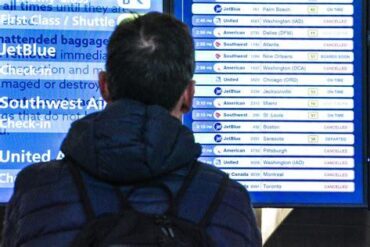
At the heart of the concern lies a familiar problem: air traffic controller shortages, industrial action, and uneven national performance standards. Together, these factors create a domino effect where disruption in one country rapidly spreads across multiple regions. For passengers, that often translates into missed connections, overnight delays, and canceled holidays at the very moment travel demand is highest.
Why Summer 2026 Is Shaping Up As A Flashpoint
Ryanair’s leadership believes summer 2026 could be particularly volatile because traffic volumes are expected to be even higher than in previous years. European leisure travel continues to rebound strongly, while capacity growth from airlines has outpaced the recovery of air traffic control staffing. This imbalance leaves little margin for error during peak weeks.
The airline has singled out French and Spanish airspace as persistent bottlenecks. France, in particular, plays a critical role in European aviation because a significant percentage of flights merely transit the country rather than land there. When French air traffic controllers strike or operate with reduced staffing, the impact is rarely contained within national borders. Instead, delays cascade across the continent, affecting flights between entirely different countries.
Ryanair maintains that these risks are both predictable and preventable. From the airline’s perspective, Europe has had years to address controller shortages and modernize airspace management, yet progress has been slow. With summer schedules typically planned months in advance, airlines fear they are being asked to absorb the consequences of systemic failures they cannot control.
Air Traffic Control Staffing Remains The Weakest Link
European air traffic control has faced sustained pressure since the pandemic, with recruitment lagging behind the rapid return of passenger demand. Training a fully qualified air traffic controller can take several years, meaning short-term fixes are limited. Even where recruitment drives are underway, their benefits may not be felt until well after 2026.
Compounding the issue is the fragmented nature of Europe’s airspace. Unlike more centralized systems elsewhere, Europe relies on a patchwork of national providers, each operating under different labor agreements, funding models, and performance benchmarks. When one provider struggles, the effects spill over into neighboring airspace almost immediately.
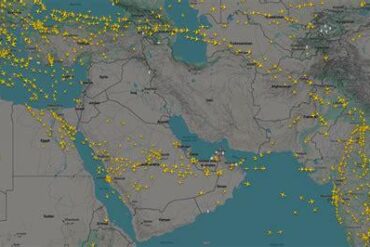
Geopolitical factors have further intensified the strain. Restricted eastern airspace has forced airlines to funnel more flights through already congested corridors, increasing controller workload in regions that were previously operating near capacity. Airlines argue that these added pressures have exposed inefficiencies that can no longer be ignored.
Industry data consistently show that staffing-related constraints are now among the leading causes of en-route delays in Europe, often surpassing weather or airport congestion. While some countries deliver relatively strong punctuality, others account for a disproportionate share of total delay minutes, undermining the reliability of the entire network.
Ryanair Pushes For Accountability And Reform
Ryanair’s criticism extends beyond staffing shortages to what it sees as a lack of accountability within Europe’s air traffic control system. The airline argues that while carriers face strict regulatory oversight on punctuality, capacity, and consumer compensation, air navigation service providers operate with far fewer consequences for underperformance.
Michael O’Leary has repeatedly called for stronger European-level oversight, including penalties for chronically under-resourced control centers. He contends that without meaningful incentives to improve reliability, delays will only worsen as traffic continues to grow. From Ryanair’s standpoint, air traffic control failures represent a structural risk to Europe’s aviation competitiveness, not just an operational inconvenience.
These criticisms have resonated with other airlines, many of which share similar frustrations but express them less publicly. Industry groups have renewed calls for reforms that would protect overflights during industrial action, limiting the ability of national strikes to disrupt flights that do not even serve the striking country.
What This Means For Passengers Planning Summer Travel
For travelers, Ryanair’s warning signals a need for realistic expectations when planning summer 2026 trips. Even modest staffing shortfalls can trigger outsized disruption when airports and airspace are operating at full capacity. Peak travel days are especially vulnerable, with delays compounding rapidly as aircraft and crews fall out of position.

While some regions have posted modest improvements in punctuality, airlines caution that these gains are fragile. A single day of industrial action or unexpected staffing gaps can erase weeks of progress. With passenger numbers projected to continue rising through the middle of the decade, pressure on air traffic services is unlikely to ease without deeper structural change.
Several air navigation service providers have announced recruitment and modernization initiatives, but the long timelines involved mean passengers may see little immediate benefit. As a result, summer 2026 is increasingly viewed as a stress test for Europe’s aviation system, one that will reveal whether lessons from previous summers have truly been learned.
A Critical Moment For Europe’s Aviation System
Ryanair’s warning is ultimately about more than one airline’s schedule. It reflects a broader industry concern that Europe’s airspace infrastructure is approaching a breaking point. Without coordinated reform, airlines fear a future where demand continues to rise while reliability steadily erodes.
Summer 2026 now looms as a defining moment. If air traffic control performance improves, it could restore confidence in Europe’s ability to handle peak travel demand. If not, passengers may once again find themselves caught in a familiar cycle of delays, cancellations, and frustration, reinforcing Ryanair’s stark prediction of another summer mess.