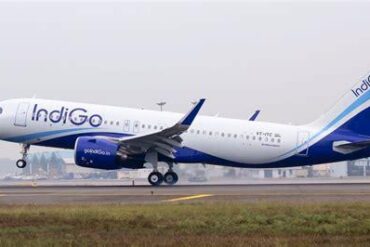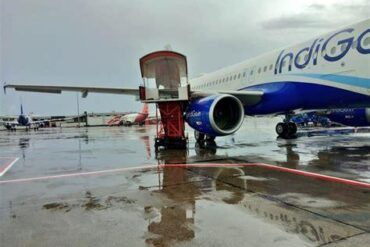
India’s aviation sector has entered one of its most turbulent weeks in recent memory as IndiGo, the country’s largest airline, battles a sweeping operational meltdown that has triggered thousands of cancellations, intense government scrutiny, fare caps, and emergency transport alternatives nationwide. The scale of disruption has shaken India’s normally resilient domestic aviation market and placed the carrier under direct threat of regulatory action from the Directorate General of Civil Aviation (DGCA).
IndiGo’s Network Breakdown Sparks National Response
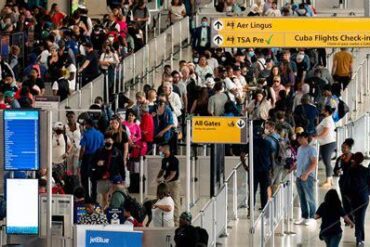
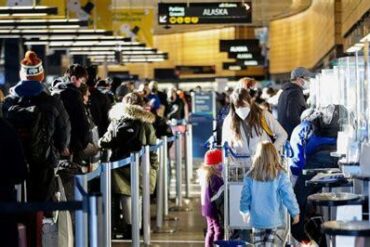
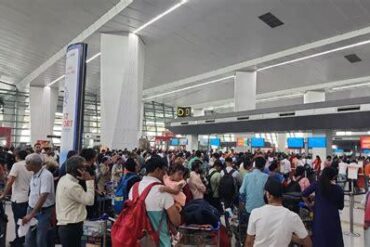
The airline’s troubles began earlier this week when a sudden shortage of crew members—rooted in new duty time regulations—sent operations spiraling. Nearly every major airport in India felt the impact, with long queues, overwhelmed help desks, and thousands of stranded passengers. As cancellations mounted, the government intervened to ensure consumer protection, signaling the seriousness of IndiGo’s operational failure and the pressing need to stabilize the domestic travel ecosystem.
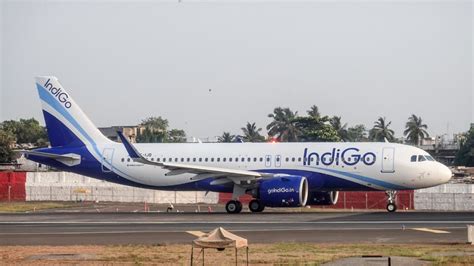
DGCA officials formally reprimanded the airline for failing to safeguard operational reliability, demanding that IndiGo explain within 24 hours why punitive action should not be imposed. A sharply worded notice from DGCA official Ravinder Singh Jamwal, addressed to CEO Pieter Elbers, underscored the regulator’s frustration: “You have failed in your duty to ensure timely arrangements for conduct of reliable operations.”
Mass Cancellations Disrupt Six Days of Travel Across India
The full scale of the collapse became clear as data emerged from the Indian Express and multiple aviation monitors. IndiGo, which typically operates around 2,300 flights per day, canceled approximately 1,600 flights on Friday and more than 800 flights on Saturday, representing an astonishing 70% and 34% of its operations on those days.
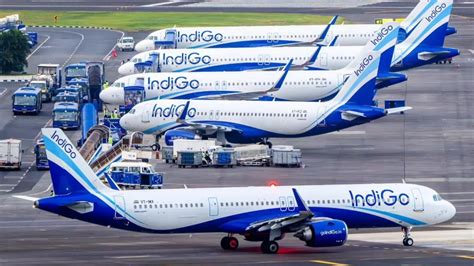
Delhi (DEL) and Mumbai (BOM) bore the brunt of the disruption, with 221 cancellations reported between the two hubs. The ripple effect extended across the country, forcing the government to mobilize an emergency response.
In an unprecedented move, authorities reintroduced fare caps for the first time since the pandemic. Airlines were barred from charging more than INR 7,500 for flights under 500 km and INR 15,000 for flights between 1,000 and 1,500 km. This prevented competitors from exploiting passengers caught in the chaos, especially on high-demand routes like Delhi–Mumbai, where prices had surged above INR 20,000.
To absorb displaced travelers, the Indian Railways deployed 89 additional trains, scheduled to complete more than 100 extra trips serving major corridors including New Delhi, Mumbai, Chennai, Bengaluru, Patna, and Howrah.
Government Temporarily Rolls Back Crew Duty Rules
The crisis was triggered in part by new crew duty-time regulations meant to address long-standing fatigue concerns. With IndiGo unable to adapt quickly—leading to mass crew unavailability—the government issued a temporary exemption. The rollback is expected to provide short-term breathing room, allowing carriers to restore roster stability and resume predictable scheduling.
Recovery Improves, But Full Stability Still Days Away
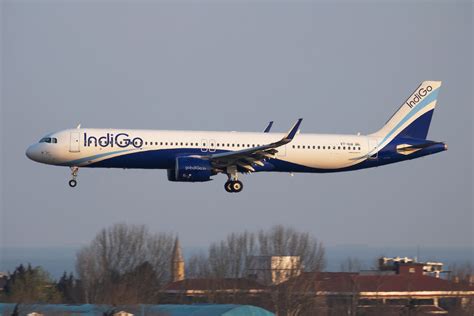
IndiGo reports a slow but steady improvement in performance. The airline operated 1,500 flights on Saturday and expects that figure to increase to 1,650 flights, restoring more than 71% of its daily schedule. On-time performance has climbed sharply to 75%, a dramatic improvement from the 30% recorded during the worst moments of the crisis.
The airline had originally estimated that normal operations would resume between December 10 and 15, but now predicts full stabilization by December 10. Passengers have been urged to check updated flight statuses before traveling to airports. IndiGo is also processing refunds and redirecting stranded luggage while attempting to rebuild trust.
Leadership Intervention and Crisis Command Center
IndiGo’s parent company, InterGlobe Aviation Limited, has mobilized its top leadership for daily crisis reviews. The CEO, board of directors, and chairman have monitored the situation from the onset, receiving detailed briefings on operational risks and customer impact. A dedicated Crisis Management Group has been activated—responsible for handling coordination, communication, and recovery logistics.
The incident could not have come at a worse time. India is currently in one of its busiest travel periods, and even marginal disruptions can cascade quickly. With several days of instability now behind it, IndiGo’s challenge lies in restoring passenger confidence while satisfying regulators that such a meltdown will not reoccur.
What This Means for India’s Aviation Sector
This episode highlights the fragility of high-volume, high-frequency airline operations, especially in a market where aviation demand regularly exceeds infrastructure capacity. A crew scheduling failure within one airline became a national event, prompting regulatory, commercial, and logistical interventions across the entire travel ecosystem. The government’s swift actions—fare caps, train deployment, and regulatory exemptions—signal how dependent India’s mobility structure has become on its aviation sector.
As IndiGo works toward stability, the DGCA’s pending decision on punitive measures remains a central question. Whether fines, operational restrictions, or new compliance requirements emerge, the outcome will likely reshape how Indian airlines manage labor, scheduling, and peak-season preparedness.
India’s skies may clear in the coming days, but the industry will feel the turbulence of this crisis long after the last delayed flight departs.