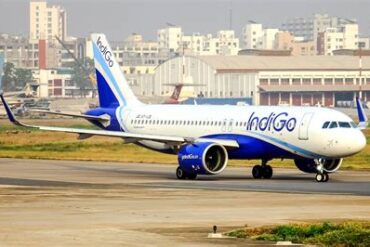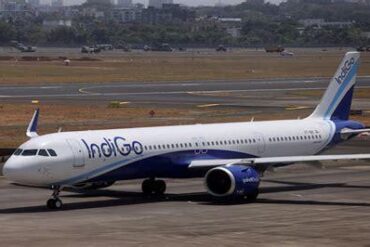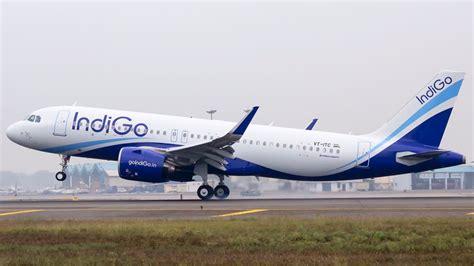
Passengers traveling on a Patna-bound IndiGo flight faced unexpected delays on Friday afternoon after the aircraft was grounded at Ranchi’s Birsa Munda Airport due to a deflated tyre. The aircraft, which had originated in Kolkata, was scheduled to continue its journey to Patna before proceeding further to Lucknow. This incident caused a temporary disruption in travel plans for dozens of passengers, emphasizing the importance of safety protocols in aviation.
Upon landing at Ranchi, the aircraft performed as expected during its scheduled operations. However, after coming to a halt, the pilot suspected that one of the front tyres might have deflated during the flight or landing. In adherence to established safety protocols, the pilot requested a thorough technical inspection of the aircraft to rule out any further risks. The operational team at Birsa Munda Airport, working in coordination with IndiGo’s technical crew, acted promptly to address the pilot’s concern.
The inspection confirmed that one of the front tyres was indeed deflated, prompting airport authorities and airline representatives to ground the aircraft immediately to prevent any safety hazards. In modern aviation, even minor technical issues like tyre pressure loss are treated with the highest levels of caution to avoid jeopardizing passenger welfare. The incident highlights the aviation sector’s unwavering commitment to maintaining the highest safety standards. Tyre deflation, while rare, can occur for multiple reasons including sharp debris on the runway, excessive wear, or manufacturing faults. In this particular case, there was no immediate indication of what caused the tyre to deflate.
IndiGo technicians began a detailed examination to identify the underlying issue before authorizing any further movement of the aircraft. While maintenance teams attended to the aircraft, the airline quickly moved to manage the travel disruptions for its affected passengers. Those who were supposed to continue their journey to Patna were provided alternative road transportation arranged by IndiGo, ensuring they could reach their destination the same day despite the inconvenience.
Travelers heading to Lucknow were accommodated on alternative connecting flights to help reduce any disruption to their journey. Airport director RR Maurya expressed that although the situation was regrettable, the decision to ground the aircraft was the right one. “The pilot acted in full compliance with safety procedures. When there is even the slightest doubt about an aircraft’s condition, our priority is always passenger safety,” he stated. He further praised the cooperation between airport staff and IndiGo’s team in managing the incident efficiently and ensuring passengers were properly cared for.
Passengers at the airport expressed a mix of frustration and understanding. Many acknowledged that while delays are inconvenient, safety takes precedence over schedules. Some travelers praised the airline for acting swiftly and communicating transparently about the issue, while others voiced concerns about the limited options for connecting flights during peak hours at Ranchi airport. Incidents like this, although rare, highlight the complex logistics involved in airline operations. Aircraft tyres are subject to rigorous inspections during routine maintenance and are built to withstand enormous pressures, but unexpected issues can still occur.
According to aviation experts, the front tyres of an aircraft bear significant loads during landing and taxiing, making them particularly critical to safe operations. Following the inspection, the grounded IndiGo aircraft was scheduled to undergo further maintenance checks before returning to service. The airline reassured travelers that no one was put at risk at any point, thanks to the proactive actions of the pilot and ground crew.
IndiGo, India’s largest airline by passenger numbers, operates hundreds of domestic and international flights every day. Its safety record has been among the best in the country, with robust procedures in place to handle emergencies and technical snags. This event, while inconvenient for travelers, reflects those safety systems working as designed. In the coming days, maintenance teams are expected to review the tyre failure in detail to prevent similar occurrences. The Directorate General of Civil Aviation (DGCA) may also request a report on the incident as part of routine regulatory oversight.
Despite the disruption, many travelers took the experience in stride, grateful that safety was prioritized over maintaining the schedule. As one passenger summarized while boarding an alternate flight, “I’d rather be delayed than take a risk.” The episode at Birsa Munda Airport serves as a reminder of the countless safety checks and decisions that ensure air travel remains one of the safest modes of transportation. While delays can be frustrating, they are often the product of a safety-first mindset shared by pilots, ground staff, and engineers alike — a mindset that, in the end, saves lives.