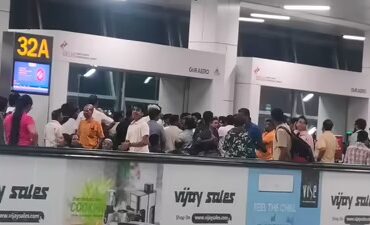
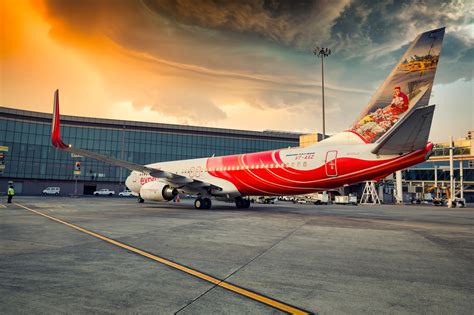
An Air India Express flight was disrupted recently when a doctor on board made an alarming threat to bring down the aircraft. The incident, which unfolded at Kempegowda International Airport, has raised serious concerns about passenger safety and the increasing issue of disruptive behavior on flights. The flight, bound for Surat, Gujarat, faced significant delays as authorities intervened to ensure the safety of all passengers and crew members.
Incident Overview: Doctor’s Disturbing Behavior
On a seemingly ordinary afternoon, Dr. Vyas Hiral Mohanbhai, a 36-year-old doctor, boarded the Air India Express (IX) flight. The situation escalated quickly when Dr. Mohanbhai requested that her cabin baggage be retrieved from the front row and moved to her assigned seat in 20F. Reports from eyewitnesses indicate that the cabin crew questioned the improper stowage of her luggage, which triggered a series of unfortunate events.
Dr. Mohanbhai became agitated and combative, engaging in a verbal confrontation with the cabin staff. This heated exchange soon took a more alarming turn when she allegedly threatened to bring down the aircraft. The nature of these threats raised immediate alarms among the flight crew, prompting them to alert the cockpit about the potential security concern.
As tensions mounted, the captain intervened in an attempt to de-escalate the situation. However, Dr. Mohanbhai’s continued disruptive behavior left the crew with no choice but to remove her from the aircraft before its scheduled departure. This decision was made to prioritize the safety of all aboard, resulting in a significant delay for the flight.
Immediate Aftermath: Police Involvement and Legal Charges
Following the incident, authorities were notified, and the police were called to Kempegowda International Airport to take appropriate action. A formal report was filed against Dr. Mohanbhai, leading to charges that include:
- Section 351(4) of the Bharatiya Nyaya Sanhita (BNS): Criminal intimidation
- Section 353(1)(b): Actions likely to cause public alarm
- Section 3(1)(a) of the Suppression of Unlawful Acts Against Safety of Civil Aviation Act: Criminalizing actions that jeopardize flight safety.
These charges reflect the serious nature of the alleged threats and the potential risk posed to the safety of the flight, passengers, and crew members. Legal proceedings are ongoing, with updates anticipated as the investigation progresses.
Broader Implications: Air India’s Safety Challenges
This incident comes at a time when Air India, the airline operating Air India Express, is already grappling with significant operational challenges. Recently, the airline suffered a devastating crash involving flight AI171, which tragically claimed the lives of 241 passengers and approximately 30 individuals on the ground. This incident has heightened concerns regarding flight safety and the airline’s operational protocols.
In response to this crisis, Air India has announced strategic changes aimed at improving its operational safety and network management. From June 21 to July 15, the airline will temporarily suspend three international routes and reduce the frequency of services on 16 other routes. These measures will impact key connections to North America, Europe, Australia, and the Far East, reflecting a broader effort to reassess safety procedures and bolster passenger confidence in the airline’s practices.
The Growing Issue of Disruptive Passenger Behavior
The incident involving Dr. Mohanbhai shines a light on the ongoing challenges airlines face in managing unruly or disruptive passengers. As the aviation industry works to recover from major incidents and accidents, maintaining safety remains a primary concern. Historically, airlines have struggled to ensure the safety of passengers when faced with individuals who refuse to comply with safety instructions or engage in behavior that compromises flight security.
To tackle these growing concerns, both aviation regulators and airline operators are emphasizing the need for strict compliance with onboard discipline. Increased training for crew members to handle difficult situations has become a top priority, alongside the adoption of robust measures to deal with disruptive passengers. Airlines are now enforcing stricter cabin policies and implementing heightened security screenings at airports.
Legal and Regulatory Framework: A Case Study
As the investigation into Dr. Mohanbhai’s actions continues, the aviation industry is closely monitoring the legal outcomes stemming from the Bharatiya Nyaya Sanhita and aviation safety regulations. This case may set a precedent for how aviation authorities address incidents involving threats to flight safety and the well-being of passengers and crew members.
Given the growing concern over passenger behavior, legal action serves as an essential tool in ensuring that those who disrupt flight operations are held accountable for their actions. As air travel continues to gain popularity, the challenge of ensuring passenger safety and maintaining order during flights will remain critical for the airline industry.
Conclusion: Navigating the Future of Aviation Safety
The legal proceedings surrounding this incident are expected to play a pivotal role in shaping the future of aviation safety and passenger conduct. Airlines must strike a balance between maintaining operational efficiency and ensuring the security of their passengers. The industry’s commitment to enhancing safety protocols and addressing disruptive behavior is vital for rebuilding trust and confidence among travelers.
In light of recent events, the aviation sector must remain vigilant, proactive, and dedicated to creating a safe flying environment for all. Each incident serves as a reminder that while air travel remains one of the safest modes of transportation, the responsibility to uphold this safety lies with every individual involved—from airline personnel to passengers themselves.
This ongoing narrative concerning passenger behavior, safety protocols, and legal ramifications will undoubtedly continue to evolve as the aviation industry strives to adapt and respond to these pressing challenges.