Understanding Aircraft Maintenance in Aviation
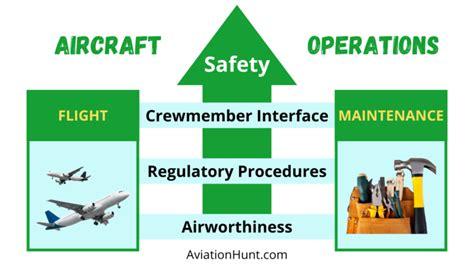
Aircraft maintenance is the backbone of aviation safety. Every commercial, cargo, and private aircraft in the sky undergoes meticulously scheduled maintenance to comply with strict airworthiness standards. Overseen by regulatory authorities like the Federal Aviation Administration (FAA) in the United States, these procedures are outlined in operator-specific Continuous Airworthiness Maintenance Programs (CAMPs). Through these mandated programs, we ensure that no aircraft lifts off without rigorous inspection and verification of its operational integrity.
Maintenance in aviation is far more than fixing defects — it is a multi-layered system of proactive inspections, performance checks, part replacements, and structural assessments, all with one goal: uninterrupted airworthiness and passenger safety.
Line Maintenance Checks: The Frontline of Safety
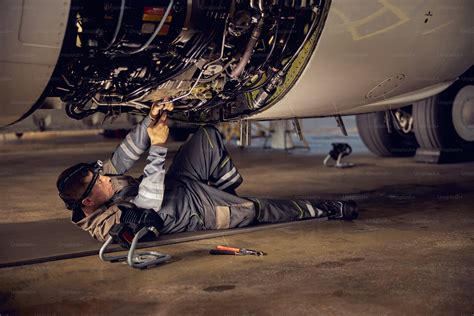
Line maintenance checks, also referred to as post-flight, pre-flight, or service checks, are the most frequent and essential type of aircraft maintenance. Performed often at the airport gate or on the ramp, these checks typically occur every 24 to 60 hours of accumulated flight time depending on the operator.
Conducted under open skies using minimal tools, line checks include visual and manual inspections that keep the aircraft ready for its next flight. Key focus areas include:
-
Tire and brake wear inspections
-
Fluid level monitoring (hydraulic, oil, etc.)
-
Navigation and communication systems functionality
Despite their routine nature, line maintenance forms the first layer of defense in identifying developing issues before they escalate into costly repairs or dangerous failures.
A Checks: Scheduled Preventative Maintenance
A checks are more intensive than line checks and are typically scheduled every 400–600 flight hours or 200–300 cycles, depending on aircraft specifications. Unlike line maintenance, these checks are conducted in hangars and may take 8 to 12 hours to complete.
Key elements addressed during A checks include:
-
Aircraft hull inspections for corrosion, cracks, or surface damage
-
Emergency lighting system tests
-
Landing gear lubrication and actuator functionality
-
Functional checks on brake accumulators and hydraulic pressures
Operators often schedule A checks overnight to avoid disrupting flight schedules. Their frequency and moderate depth make them essential in extending the lifespan of major aircraft components.
B Checks: A Vanishing Standalone Procedure
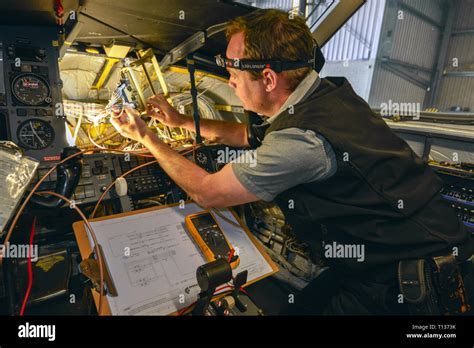
Traditionally performed every 6–8 months, B checks occupied the middle ground between A and C checks. However, modern aircraft maintenance strategies have phased out the standalone B check, integrating its procedures into enhanced A checks to streamline workflow and minimize aircraft downtime.
Historically, B checks involved:
-
Torque calibration of landing gear lighting systems
-
Hydraulic tubing inspections for leaks, corrosion, or alignment issues
Though still relevant as a conceptual stage, B checks are no longer separately designated in most current maintenance programs, having evolved into a set of dispersed yet critical tasks within the A check framework.
C Checks: The Onset of Heavy Maintenance
The C check marks the beginning of what is referred to as heavy maintenance. Performed approximately every 20–24 months, this extensive inspection may ground an aircraft for 1 to 2 weeks, depending on the complexity and scope of repairs.
C checks typically demand:
-
Disassembly and examination of primary load-bearing structures (fuselage, wings, landing gear)
-
In-depth lubrication of all mechanical interfaces and flight control components
-
Testing and verification of the DC bus tie control unit
-
Checks on aircraft pressurization systems, rudder mechanisms, and avionics racks
This phase often consumes over 6,000 labor hours, involving specialized tools and teams of certified maintenance technicians. At this stage, structural fatigue, system wear, and previously undetected anomalies are systematically addressed.
D Checks: The Deepest Maintenance Overhaul
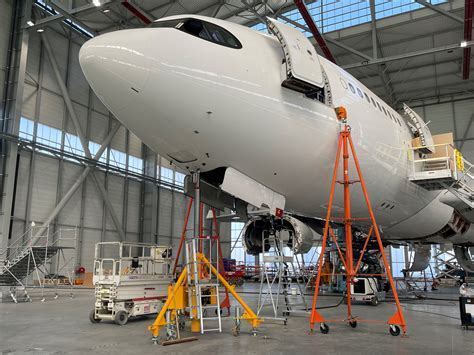
D checks, also known as Heavy Maintenance Visits (HMVs), represent the most labor-intensive and costly form of aircraft maintenance. Performed every 6 to 10 years, this process involves complete disassembly and inspection of the entire airframe, requiring 30,000 to 50,000 labor hours and multiple weeks of downtime.
D checks entail:
-
Full strip-down of the aircraft structure and systems
-
Comprehensive inspection for metal fatigue, corrosion, and component failure
-
Replacement or refurbishment of interior cabins, seats, galleys, and avionics
-
Upgrades to existing hardware or systems to ensure compatibility with the latest standards
Because D checks are immensely resource-intensive, airlines often plan them years in advance and use them as a strategic opportunity to evaluate the economic feasibility of aircraft retention versus retirement. In many cases, an aircraft that has undergone two or more D checks is evaluated for decommissioning based on operating costs.
The Role of Regulatory Oversight in Maintenance Integrity
Every aircraft maintenance action traces back to regulatory mandates laid out by civil aviation authorities such as the FAA, EASA, or ICAO. These organizations establish the frameworks for airworthiness through rigorous compliance structures including:
-
CAMP (Continuous Airworthiness Maintenance Program)
-
MEL (Minimum Equipment List) enforcement
-
ADs (Airworthiness Directives) and SBs (Service Bulletins) implementation
By adhering to these regulations, we ensure not only that aircraft remain flight-capable, but also that they fulfill international safety and operational efficiency benchmarks. Regular inspections also help reduce the risks of mid-flight failures, ensuring long-term airline reputation and financial stability.
The Economics Behind Aircraft Maintenance
Aircraft maintenance is more than a safety measure—it’s a strategic business function. Maintenance, Repair, and Overhaul (MRO) costs can account for up to 15% of an airline’s operational budget. Understanding the economics of each maintenance phase is essential for lifecycle planning, especially when considering factors like:
-
Depreciation cycles
-
Residual aircraft value
-
Cost-benefit analysis of overhaul versus fleet replacement
Timely maintenance prevents avoidable failures that would otherwise result in emergency landings, grounded fleets, or even aviation accidents, which are far more damaging both financially and reputationally.
Emerging Trends in Aircraft Maintenance
The aviation maintenance industry is increasingly integrating AI, IoT sensors, and predictive maintenance algorithms to forecast part failures and optimize scheduling. These innovations allow us to:
-
Use real-time aircraft health monitoring systems (AHMS)
-
Automate data acquisition and diagnostics for avionics and engine systems
-
Reduce unnecessary downtime by replacing components only when performance thresholds signal the need
In the future, predictive analytics may even eliminate the need for fixed maintenance intervals, replacing them with dynamic, condition-based strategies that enhance safety and reduce waste.
Conclusion
From the quick, gate-side line checks to the exhaustive D checks that strip aircraft to their skeletons, aircraft maintenance is the invisible scaffold upholding modern aviation. These procedures not only ensure mechanical reliability and legal compliance, but they also preserve passenger trust, operator credibility, and global connectivity. By continuously evolving with technology, safety standards, and economic pressures, aviation maintenance remains a vital pillar of aerospace engineering and transportation.
FAQs
How often do commercial aircraft undergo maintenance checks?
Commercial aircraft undergo line maintenance checks daily or after every few flights. A checks occur every few hundred flight hours, while C checks may happen every 1–2 years. D checks, the most intensive, are scheduled every 6–10 years depending on usage and aircraft type.
What happens during a D check?
A D check is a comprehensive overhaul of the aircraft, involving complete disassembly of its systems and structure. Technicians inspect for corrosion, fatigue, and damage, refurbish interiors, update avionics, and conduct deep structural evaluations. The aircraft is out of service for several weeks during this process.
Why are B checks being phased out?
B checks are being phased out due to the desire for greater maintenance efficiency. Airlines now integrate B check procedures into extended A checks to reduce aircraft downtime, labor costs, and scheduling conflicts, while maintaining all safety and compliance standards.