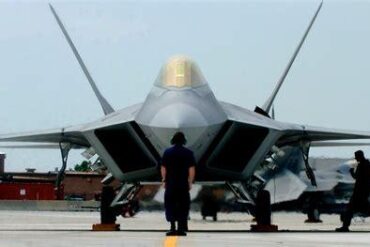
The F-35 Lightning II, a fifth-generation multirole stealth fighter, represents a monumental leap in aerial warfare capabilities. Developed by Lockheed Martin, this aircraft stands as one of the most technologically advanced — and expensive — military programs in history. With stealth design, advanced avionics, and multivariate functionality across air forces and navies, the F-35 has been championed as the cornerstone of 21st-century aerial dominance. However, behind the sleek frame and futuristic promise lies a significant operational burden: the F-35 maintenance cost.
Recent reports peg the maintenance cost per flight hour at approximately $40,000, a figure that has drawn scrutiny from defense analysts, policymakers, and taxpayers alike. This article investigates the causes behind these soaring expenses, historical trends, and what future projections tell us about the true cost of sustaining the F-35 fleet.
Overview of the F-35 Program and Variants
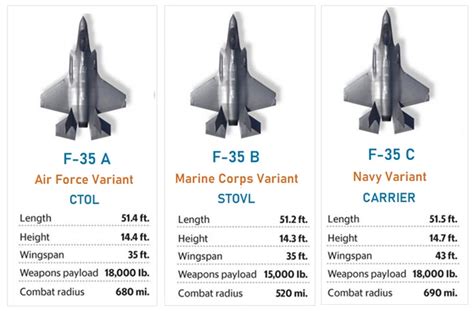
The F-35 program includes three variants tailored to specific operational needs:
- F-35A: Conventional takeoff and landing (CTOL), primarily for the U.S. Air Force
- F-35B: Short takeoff and vertical landing (STOVL), used by the U.S. Marine Corps and allied forces
- F-35C: Carrier-based operations, developed for the U.S. Navy
Each variant has distinctive structural and electronic components, directly influencing its maintenance intensity and support logistics. As of 2024, more than 900 F-35 units have been procured out of over 2,700 orders across international partners. Each unit costs about $82.5 million, but the long-term sustainment cost over its projected 66-year lifecycle is forecasted at $1.7 trillion — dwarfing acquisition expenses.
Current Maintenance Cost Per Flight Hour
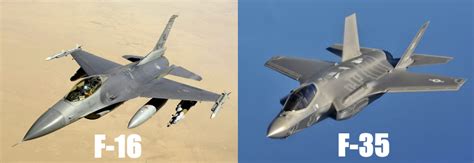
Based on a February 2024 report from NDTV and corroborated by the U.S. Government Accountability Office (GAO), the maintenance cost per flight hour of the F-35 remains at $40,000. This rate starkly contrasts with the $26,000 per flight hour cost for legacy platforms such as the F-16 Fighting Falcon.
Several earlier analyses further contextualize this cost trajectory:
- In 2022, Air & Cosmos International reported costs rising to $42,000 per hour.
- A 2024 report by Defense Security Monitor noted that maintenance costs had dropped from $87,000 to $34,000 between 2014 and 2022, adjusted for inflation in constant 2012 dollars.
- Lockheed Martin once targeted $25,000 per hour by FY2025, aiming for improved efficiency and cost reductions.
Despite these targets, the cost stagnation at $40,000 reveals that deep-rooted sustainment challenges continue to impede progress.
Contributors to High Maintenance Costs
Advanced Stealth Materials and Structural Complexity
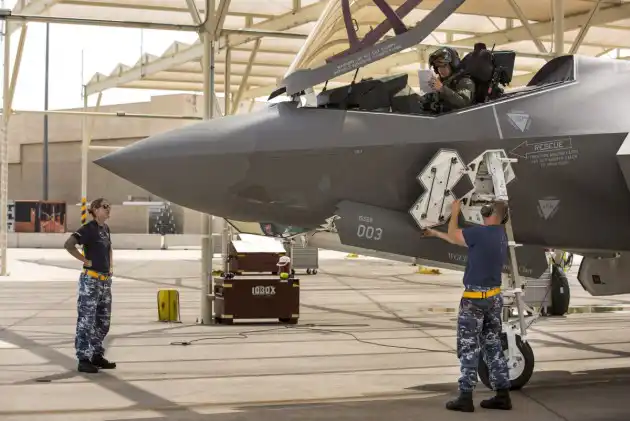
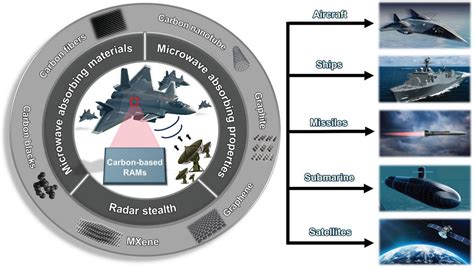
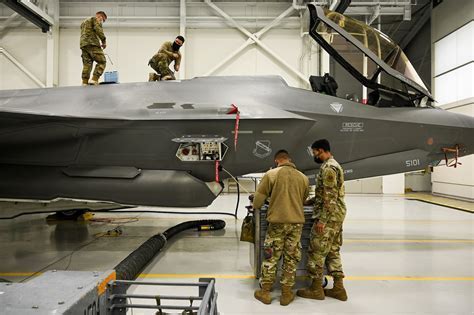
The F-35’s radar-absorbing coatings and structural stealth features demand meticulous inspection and reapplication after almost every sortie. Maintenance personnel require specialized equipment and training, increasing labor hours and cost per flight hour. Unlike fourth-generation fighters, stealth technology is not modular, requiring manual processes that extend downtime and reduce sortie availability.
Cooling System and Engine Wear
One of the most significant cost contributors, according to the GAO, is engine wear resulting from the F-35’s integrated power and cooling system. This system, while essential for thermal regulation of advanced avionics, increases stress on the F135 engine. The result is an estimated $38 billion in additional lifecycle costs due to accelerated component fatigue and frequent replacements.
Supply Chain and Logistical Failures
A persistent backlog in parts repairs has forced operators to purchase new parts instead of reusing or repairing older ones. By March 2023, over 10,000 parts were awaiting repair, compared to 4,300 in 2019. This inefficient supply chain has pushed sustainment into unsustainable territory, making long-term maintenance strategies unreliable and prohibitively expensive.
Autonomic Logistics Information System (ALIS) and TR-3 Delays
The F-35’s initial digital maintenance interface, ALIS, was meant to revolutionize predictive maintenance. Instead, it became notorious for data inaccuracies and inefficient diagnostics. Although being replaced by Operational Data Integrated Network (ODIN), the delays have created data gaps and poor turnaround times. Meanwhile, Technology Refresh 3 (TR-3), meant to upgrade both hardware and software, has faced repeated testing delays, directly affecting mission readiness and sustainment workflows.
Variant-Specific Labor Requirements
The following labor hours per flight hour, as reported in 2022 by Defense Daily, show substantial differences across variants:
- F-35A: 4.79 hours
- F-35B: 7.48 hours
- F-35C: 7.55 hours
Although recent data from 2023 suggests most variants now meet or exceed availability targets, the man-hour demand remains significantly higher than older platforms, further inflating per-hour maintenance costs.
Comparative Analysis With Other Aircraft
A clearer understanding of the F-35’s maintenance demands comes through a comparison with other aircraft:
| Aircraft | Maintenance Cost/Flight Hour | Year | Source |
|---|---|---|---|
| F-35 | $40,000 | 2024 | NDTV |
| F-16 | $26,000 | 2024 | NDTV |
| F-35 (in 2012 dollars) | $34,000 | 2022 | GAO |
This disparity is more than numerical — it reflects the technological complexity and sustainment fragility of fifth-generation platforms. While the F-35 offers unmatched stealth and combat systems, its lifecycle burden presents a challenge to operational affordability.
Rising Sustainment Costs Amid Fewer Flight Hours
One of the more unexpected revelations in recent reports is that despite a 21% reduction in total flight hours from 2018 to 2023, sustainment costs surged by 44%, reaching $1.58 trillion. This trend indicates inefficiencies in maintenance workflows, where fixed costs remain high regardless of usage, and supply chain disruptions inflate unit costs despite lowered aircraft utilization.
Such a trajectory raises concerns about the long-term affordability of a large-scale F-35 fleet. While acquisition costs have received attention, the ongoing cost of simply keeping these aircraft flight-worthy is quickly becoming the larger fiscal issue.
Efforts to Contain and Reduce Costs
The Department of Defense and Lockheed Martin have introduced several initiatives to reduce costs:
- Performance-Based Logistics (PBL): Under this model, Lockheed is compensated based on aircraft availability rather than parts or services. This aligns contractor incentives with mission-readiness.
- Expanded Repair Networks: Investment in global and domestic repair sites to reduce part wait times and lower transportation costs.
- Modernization Initiatives: These include the transition from ALIS to ODIN and the rollout of TR-3 to address technical inefficiencies and software bottlenecks.
Despite these reforms, significant challenges persist. As reported in Defense News, contractor-led maintenance remains slow and cost-intensive, prompting calls for a shift toward more government-managed sustainment structures.
Conclusion
The F-35 maintenance cost per flight hour remains around $40,000, a reflection of both the aircraft’s sophisticated capabilities and the substantial technical burdens associated with maintaining them. Despite repeated attempts to lower this figure through better logistics, modernized systems, and performance-based contracts, real-world expenses continue to rise, driven by aging components, software delays, and a strained global supply chain.
The implications of this persistently high cost are strategic as much as financial. The F-35 was envisioned as a global solution to air superiority, but without significant improvement in maintenance affordability, its full operational potential may be constrained by budgetary limitations. As the program matures, cost transparency and reform will be critical to balancing capability with sustainability.
FAQ: F-35 Maintenance Cost
Why is the F-35 so expensive to maintain compared to older aircraft like the F-16?
The F-35 incorporates stealth coatings, integrated cooling systems, and advanced avionics, all of which require specialized maintenance procedures. Its stealth surfaces degrade quickly, necessitating more frequent repairs, while engine wear is exacerbated by integrated thermal systems. These factors lead to higher maintenance labor hours and part costs.
Are there any efforts to reduce the F-35’s maintenance costs?
Yes. The U.S. DoD and Lockheed Martin have introduced several reforms, including performance-based logistics contracts, enhanced repair networks, and software modernization efforts like TR-3 and ODIN. However, despite these efforts, sustainment costs have continued to rise, suggesting deeper structural inefficiencies.
What is the projected long-term cost of maintaining the F-35 fleet?
Over its 66-year projected lifecycle, the F-35 fleet is expected to incur $1.7 trillion in sustainment costs. This estimate includes labor, spare parts, software support, logistics, and long-term modernization efforts. It is one of the most expensive sustainment programs in military aviation history.