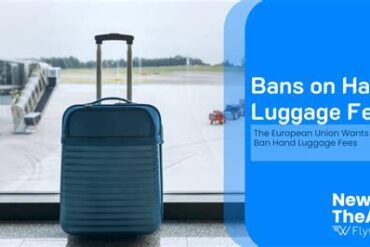
Air France and KLM have ignited controversy with the rollout of new hand luggage fees, a change that is set to significantly impact UK tourists traveling across Europe. This policy, implemented under the airlines’ newly introduced “Basic” fare, will reduce what passengers can bring onboard for free to a small personal item only, such as a laptop case or compact backpack. For many travelers, especially budget-conscious holidaymakers from the UK, this signals a noticeable shift in European travel affordability.
The New Basic Fare: What It Means for UK Travellers
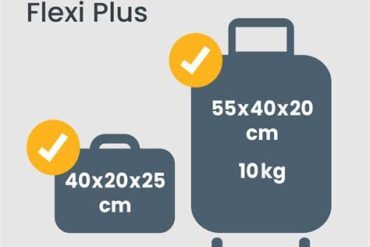
Starting 9 September 2025, the new “Basic” fare option will only allow a single small personal item (maximum size 40 x 30 x 15 cm) free of charge. For anything larger—specifically standard hand luggage up to 55 x 35 x 25 cm—passengers will be required to pay a fee starting at EUR 15 per segment. This charge can be added at the time of booking or up to four hours before departure.
This new fare structure is available across multiple popular European routes, including:
- Helsinki, Finland
- Athens, Greece
- Vienna, Austria
- Munich, Germany
The decision to implement these changes reflects a broader trend within the airline industry: reducing base ticket prices while increasing the number of chargeable add-ons. While marketed as a more accessible pricing tier for light travelers, critics argue that the true motivation behind this move is revenue generation, not customer experience.
Budget Option or Backdoor Price Hike?
At first glance, the “Basic” fare mirrors budget carrier strategies, particularly those used by airlines like Ryanair and easyJet. These low-cost carriers are known for offering attractive fares, only to supplement their earnings through fees on essentials like seat selection and carry-on baggage. By emulating this model, Air France and KLM are signaling a pivot in how full-service carriers define value.
Yet, the ramifications for UK tourists—many of whom rely on short-haul European flights for quick holidays—could be significant. What was once a modest ticket with complimentary hand luggage now requires careful scrutiny to avoid unplanned expenses.
Passengers booking without being aware of the new rules may find themselves paying additional fees at check-in, where prices can increase and availability of overhead cabin space may be restricted. While Flying Blue loyalty members will still benefit from a free hand luggage allowance, the general public will have to calculate the total cost of their journey far more carefully.
Competitive Pressures and Cost Management
Air France–KLM’s decision comes as part of a broader effort to streamline operations and contain rising costs across the aviation sector. Fuel prices, environmental levies, labor costs, and economic inflation continue to strain profitability. To remain competitive with budget airlines—and to shore up financial performance post-pandemic—traditional airlines are being forced to rethink long-standing service offerings.
For the Air France–KLM group, simplifying fare structures across its European network presents an opportunity to optimize cabin storage, accelerate boarding, and potentially lower staffing needs by reducing the complexity of in-cabin baggage handling. However, these savings come at a cost to passenger convenience.
European Travel Now Comes With More Fine Print
The changes extend beyond just airline policy. UK tourists returning from the EU must now also be wary of updated customs regulations. A new ban on bringing untreated meat and dairy products into the UK has been introduced to prevent the spread of Foot and Mouth disease. Items such as lamb, pork, goat meat, cheese, yoghurt, and salami are now restricted.
Even seemingly harmless items like sandwiches containing any of the prohibited ingredients are now banned. Tourists caught violating this rule face fines of up to £5,000, making post-holiday returns an unexpected legal minefield for the uninformed.
These changes add yet another layer of inconvenience and potential expense to what used to be simple short-haul travel between the UK and Europe.
Passport Compliance and Schengen Restrictions
Further complicating matters for UK tourists is the enforcement of Schengen Area regulations post-Brexit. British citizens visiting the EU must comply with the 90/180 rule, which allows them to stay within the Schengen zone for up to 90 days in any 180-day period. This rule is enforced across 29 European countries, and non-compliance could result in being denied entry at the border.
Additionally, passport validity requirements are now stricter. Travelers must ensure their passports are valid for at least three months beyond their intended stay and issued within the last 10 years. Many UK travelers, unaware of these rules, have been turned away despite holding what they believed were valid passports.
As UK travelers navigate these bureaucratic hurdles, the introduction of more restrictive baggage policies by Air France and KLM only adds to the complexity—and the cost—of traveling to Europe.
Repercussions for Family Travel and Group Holidays
These new fees are likely to have a disproportionate effect on families, student travelers, and group tourists, who often rely on cabin luggage to minimize costs. For a family of four, a EUR 15 per bag per segment fee could quickly balloon into a significant expense, especially for multi-destination itineraries. It’s not uncommon for travelers to take two or more flights during a European holiday, effectively doubling the charge.
Moreover, travelers who were previously accustomed to taking only cabin luggage for a weekend getaway will now need to recalculate their travel budgets. The appeal of affordable city breaks in destinations like Paris, Amsterdam, or Rome may start to wane in the face of increasing hidden costs.
Industry-Wide Shift Toward Ancillary Revenue
Air France and KLM are not alone. Across the aviation sector, there’s been a sharp rise in ancillary revenue—the money airlines make beyond the base fare. From baggage fees and seat upgrades to in-flight meals and Wi-Fi access, airlines now rely heavily on micro-charges to maintain profitability.
According to global travel data, ancillary fees account for nearly 15% to 25% of total airline revenue, and this figure is rising. Airlines have found that while customers resist outright fare increases, they’re more tolerant of optional add-ons, even if those add-ons were once considered part of standard service.
By monetizing baggage, Air France and KLM are tapping into this trend—but not without risking backlash from a consumer base already grappling with inflation and travel uncertainties.
What UK Travellers Should Do Now
With these changes now live, UK tourists planning European trips should adopt a proactive strategy to avoid unnecessary charges:
- Book with full awareness: Review fare class details carefully before purchasing.
- Travel lighter: Invest in a high-capacity personal item bag within the new size limits.
- Join loyalty programs: Flying Blue and similar programs may offer perks that negate fees.
- Check passport and customs rules: Avoid fines and entry denials by preparing documentation and being aware of import restrictions.
Conclusion: Affordable Travel Is No Longer Simple
The introduction of new hand luggage fees by Air France and KLM is more than just a policy tweak—it’s a sign of the evolving nature of post-pandemic air travel. For UK tourists, what was once a spontaneous and low-cost hop to Europe is becoming a more calculated, cost-sensitive decision. As fees add up and regulations tighten, travelers must adapt to a landscape where value is no longer found in the base fare, but in understanding—and navigating—the fine print.