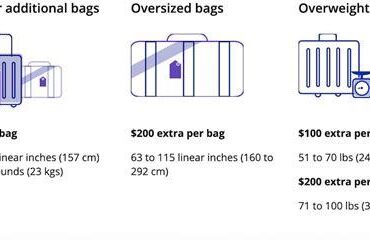
In a landmark decision poised to reshape air travel across Europe, the European Parliament has voted in favor of a new regulation that would eliminate hand luggage fees on flights operating within and to/from the EU. If ratified by the EU Council, the move would entitle passengers to carry onboard a small bag weighing up to 7 kilograms (15.4 lbs)—free of charge—across all European airlines, including notorious low-cost carriers.
This pivotal vote, passed on June 24, 2025, comes amid growing discontent among passengers who have long felt penalized by hidden charges on what was once a basic travel necessity. As budget airlines increasingly turned hand luggage into a lucrative revenue stream, many consumers found themselves blindsided by unexpected add-ons during booking or check-in.
Why This Policy Shift Marks a New Era for European Air Travel
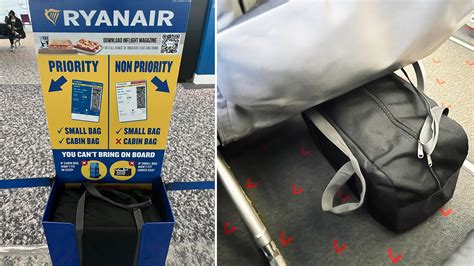
For millions of European travelers, especially those flying on budget carriers like Ryanair, Wizz Air, and EasyJet, hand luggage has become an unexpected source of stress and financial strain. Until now, passengers were often required to pay anywhere from €10 to €50 just to bring a small suitcase onboard—fees that varied wildly depending on the route, airline, and timing of purchase.
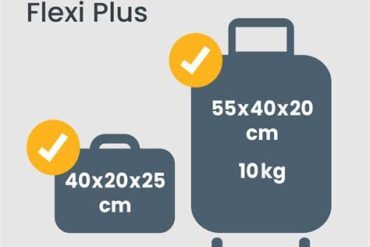
The proposed legislation offers clear dimensions and weight limits to standardize what constitutes “free hand luggage”: a single cabin bag measuring up to 100cm in total dimension and an additional personal item up to 40x30x15cm. These concrete specifications aim to eliminate confusion at the gates and reduce conflict between passengers and airline staff.
“This is a monumental step toward fairer, more transparent travel,” declared Matteo Ricci, Vice-Chair of the EU Committee on Transport and Tourism (TRAN). “Air travelers have a fundamental right to bring reasonable hand luggage without unjustified fees.”
The Economics Behind Baggage Fees: Airlines Cry Foul
While consumer advocacy groups and lawmakers are hailing the decision as a victory, airline industry executives are far less enthusiastic. Particularly vocal has been Ourania Georgoutsakou, Managing Director of Airlines for Europe, the continent’s largest airline association. She warns that this move could trigger an increase in base fares as carriers attempt to offset lost baggage revenue.
“Our market is built on choice and flexibility,” Georgoutsakou asserted. “Forcing airlines to include hand luggage in the base fare removes consumer choice and could drive up costs across the board.”
Georgoutsakou even went as far as to sarcastically compare the mandate to including popcorn in a cinema ticket. Her analogy underscores the ongoing debate over a la carte pricing versus all-inclusive fares—a business model conflict that lies at the heart of this policy shift.
Despite industry opposition, analysts argue that consumers have grown weary of hidden costs. “Airlines built an empire on fees that used to be optional but became virtually mandatory,” said Helena Pappas, a European aviation consultant. “This regulation is a natural correction of that exploitative trend.”
Implications for Travelers: What You Can Expect
If implemented, the law would apply to all flights within the European Union, as well as international flights to and from the EU. This means that whether you’re flying from Barcelona to Berlin or Dublin to Dubai, your small carry-on bag will fly with you—without an added charge.
For travelers, this could translate to:
- Lower overall travel costs, especially for short-haul flights
- Faster boarding and fewer gate disputes
- Increased predictability when packing and booking
Crucially, the regulation also aligns with consumer protection objectives and enhances the transparency of air travel pricing. As ticket sellers and airlines will be obligated to disclose all associated fees upfront, passengers can make more informed decisions.
Family-Friendly Policies and Wider Reforms
The hand luggage regulation is part of a broader suite of reforms aimed at enhancing air passenger rights. One key provision is the prohibition of seating fees for children under 12—a rule that would ensure families aren’t forced to pay extra to sit together.
Additionally, the new legislative framework will:
- Require transparent pricing from ticket sellers, including intermediary fees
- Simplify the compensation process for delays and cancellations
- Expand reimbursement eligibility to include missed connecting transport (bus, rail, etc.)
These adjustments reflect the Parliament’s commitment to holistic, passenger-first legislation. The goal is not only to make air travel fairer, but also to rebuild trust between airlines and their customers.
Legal and Political Hurdles: Is It a Done Deal?
Not quite. Although the European Parliament has passed the proposal, it must now gain the support of the EU Council—comprising representatives from individual member states. According to EU rules, at least 55% of the countries, representing at least 65% of the total EU population, must approve the measure.
Some nations, particularly those home to dominant low-cost carriers, may attempt to negotiate concessions or delay implementation. However, public support for the measure is reportedly strong, which could pressure governments to fast-track ratification.

Budget Airlines at a Crossroads
The proposed legislation forces low-cost carriers to rethink their long-standing monetization strategies. While Ryanair and Wizz Air have not officially released statements, insiders suggest they are exploring alternate revenue models, including:
- Dynamic ticket pricing algorithms
- Increased onboard sales of food, merchandise, and seat upgrades
- Subscription-based loyalty programs that offset luggage fees through volume discounts
Should the law take effect by July 2025, as projected, these airlines have only weeks left to implement systemic changes. The result could be a profound shift in fare structures across the entire European market.
Public Reaction: Relief and Optimism
Among the traveling public, the response has been overwhelmingly positive. Frequent flyers, in particular, see this as a long-overdue move to restore dignity and fairness to air travel.
“Flying has become a game of bait-and-switch,” says Irena Müller, a Berlin-based event planner who travels weekly for work. “This change will finally let me focus on getting from point A to B without feeling nickel-and-dimed.”
Consumer organizations are urging the EU Council to act quickly. “Travelers have waited long enough,” said Jacques Beltrame, spokesperson for Passengers First Europe. “It’s time for action, not excuses.”
Conclusion: Toward a More Transparent Sky
The European Parliament’s vote signals the beginning of a transformational period in air travel policy. By confronting hidden fees and prioritizing passenger rights, this measure offers a more predictable, equitable future for everyone who flies within, to, or from Europe.
Though hurdles remain—chiefly, EU Council ratification and inevitable airline lobbying—the direction is unmistakable: transparency, fairness, and simplicity are no longer optional in the skies over Europe.
As July 2025 approaches, travelers are advised to stay tuned. If approved, the days of scrutinizing baggage dimensions at check-in counters and paying last-minute surcharges could soon be behind us.