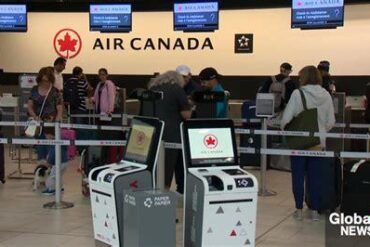
The European Union is moving forward with a sweeping passenger rights reform that promises to reshape the experience of flying within the bloc. Backed by the European Parliament’s Transport Committee, the proposed legislation would guarantee free hand luggage for all air travelers and introduce a standardized compensation framework, impacting 27 EU nations including France, Germany, Italy, Spain, and the Netherlands. The move, hailed by consumer advocates, is already facing sharp resistance from major European airlines represented by the Airlines for Europe (A4E) lobbying group.
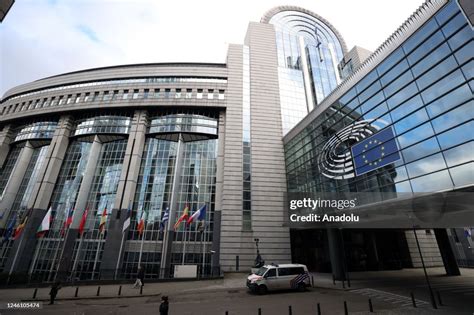
A Game-Changer for Passenger Rights in Europe
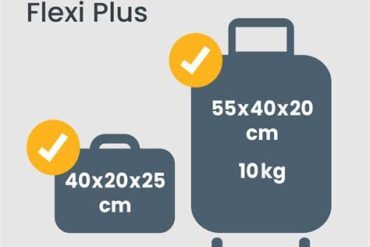
At the heart of the reform is a rule requiring all airlines to allow two pieces of cabin baggage at no extra cost—a small personal item like a purse or laptop bag, and a standard cabin bag that fits in the overhead compartment. For many passengers, especially those flying with low-cost carriers such as Ryanair, Wizz Air, and easyJet, this could spell the end of frustrating and often expensive add-on baggage charges that blur the real cost of a ticket.
The legislative package also introduces a unified EU-wide compensation and refund claim form, simplifying the process of seeking reimbursement for delays, cancellations, and other disruptions. For years, passengers have faced inconsistent and opaque processes when attempting to claim their rights under EU Regulation 261/2004. This reform addresses that pain point head-on.
“This proposal is about fairness, transparency, and restoring trust between passengers and airlines,” said Matteo Ricci, a key Member of the European Parliament from Italy who championed the legislation. “We are eliminating hidden fees and creating a common-sense approach to compensation that will help people feel protected when they fly.”
Airlines for Europe Fires Back
The reaction from the aviation industry has been swift and unrelenting. The Airlines for Europe (A4E) coalition, headquartered in Brussels and including giants such as Lufthansa Group, British Airways, Air France–KLM, Iberia, and Vueling, is leading the charge against the reforms. Their core argument: mandating free hand luggage and standardizing compensation will drive up base fares and compromise pricing flexibility, particularly for travelers who fly light.
A4E claims that the proposed changes could undermine the low-cost model that has democratized air travel in Europe over the past two decades. For airlines that rely heavily on ancillary revenue—from baggage fees to seat selection and onboard sales—the shift could hit profit margins hard.
“One-size-fits-all regulation will not work for a diverse market like Europe,” A4E said in a statement. “Consumers benefit from choice, and the ability to customize their fare based on what they need—not what regulators assume they need.”
How Budget Airlines May Be Forced to Adapt
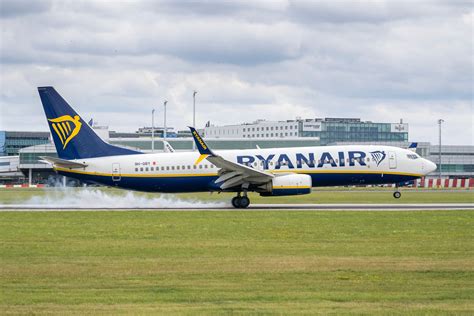
The reform presents a direct challenge to the pricing architecture of low-cost airlines. Carriers like Ryanair and Wizz Air currently offer ultra-low fares stripped of extras, charging additional fees for everything from carry-ons to printing a boarding pass at the airport. While these models have enabled millions to travel affordably, critics argue they rely on misleading base fares that mask the real cost of flying.
By mandating that all airlines include a cabin bag in the lowest fare tier, the EU is effectively targeting the core of this strategy. In response, budget airlines may need to revise their pricing structures, consolidate fare tiers, or absorb losses from formerly lucrative add-ons.
Legacy carriers aren’t immune to the impact. Although Lufthansa, Air France, and British Airways generally allow carry-ons without extra charges, they’re wary of losing pricing discretion. For these airlines, the concern is not just about baggage—it’s about regulatory overreach that could limit service innovation and market responsiveness.
Eliminating “Drip Pricing” and Increasing Transparency
Consumer rights advocates have long condemned what they call “drip pricing”—a tactic where low base fares are used to lure buyers, only to be followed by a cascade of mandatory fees during the booking process. The new legislation would put a stop to this practice by establishing a clear definition of what must be included in any advertised fare.
This includes not only baggage but also greater transparency in delay compensation rules. For instance, the reform codifies what counts as an “extraordinary circumstance”—events such as volcanic ash clouds, terrorist attacks, or government-imposed airspace closures, which legally absolve airlines from paying compensation.
With a harmonized compensation form and clearer regulatory language, passengers will be empowered to assert their rights across borders without navigating a patchwork of national procedures.
Legislative Timeline and Next Steps
Although the European Parliament’s Transport Committee has voted in favor, the legislation is not yet law. It will now proceed to a plenary vote in the European Parliament, likely to occur in the coming months. Should it pass there, the final step will involve negotiations with the EU Council, representing the 27 member states. Each country must approve the reform before it becomes binding.
During this phase, airline lobbyists are expected to ramp up their efforts, targeting national governments with large aviation sectors. Countries such as Germany, Ireland, and France, home to major carriers and aviation jobs, may advocate for exemptions or compromises to protect domestic interests.
Observers warn that even minor changes during trilogue negotiations could water down the reform, potentially reintroducing loopholes that airlines can exploit. Nevertheless, consumer groups remain optimistic, citing the broad public support for clearer rules and fairer treatment.
Setting a Global Precedent for Airline Consumer Protection
This reform comes amid broader changes in the European air travel landscape. The EU is also pushing new rules on carbon emissions reporting, sustainable fuel adoption, and digital transparency in flight bookings. Seen together, these initiatives signal a paradigm shift: from profit-maximizing operations to a more consumer- and climate-conscious aviation sector.
If finalized, the new passenger rights law would place the EU among the global leaders in airline consumer protections—on par with or exceeding regulations in the United States and Canada. In a global industry often criticized for vague terms and uneven accountability, Europe could become a benchmark for how travelers should be treated.
A Turning Point for Millions of EU Flyers
For the over 900 million passengers who flew through EU airports in 2024, this reform could mark a monumental change. No longer would air travel be shadowed by anxiety over carry-on charges or confusing compensation claims. With one law, one form, and one consistent rulebook, the flying experience could finally become as unified as the Schengen Area itself.
But challenges remain. The fierce opposition from legacy and low-cost carriers alike shows that the battle for control over ticket pricing and passenger treatment is far from over. As the reform package heads into its final stretch, the outcome will depend not just on legal language, but on political will, public pressure, and industry adaptability.
Until then, passengers across Europe—and those flying into the continent—wait to see whether this bold vision for transparent, fair, and consistent air travel will take flight.