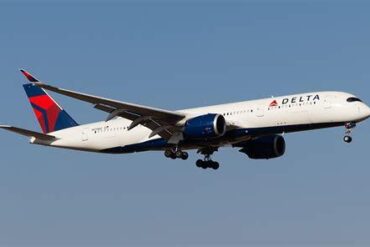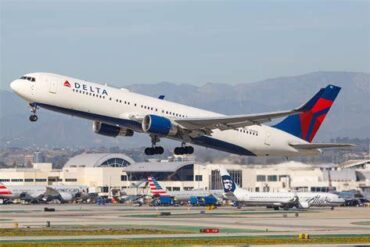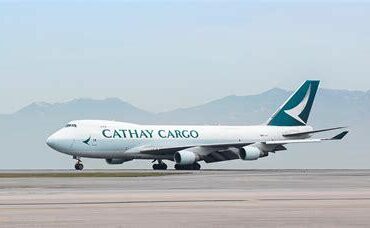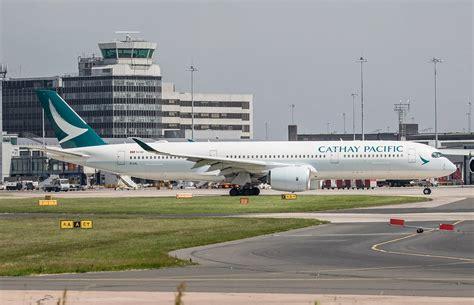
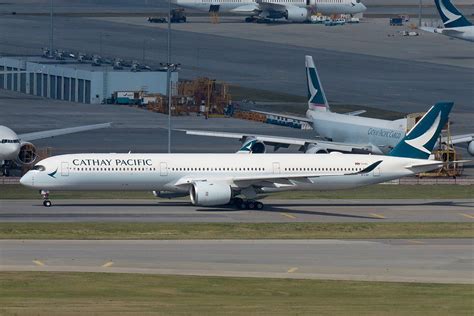
Cathay Pacific has made a strategic masterstroke in the ever-competitive transpacific aviation arena by launching daily non-stop flights from Hong Kong to Dallas/Fort Worth (DFW). The expansion, which kicks off this October, transforms a previously four-times-weekly service into a daily intercontinental connection, directly positioning the airline against regional giants such as Japan Airlines, Korean Air, Air Canada, Delta, Qatar Airways, and United Airlines. More than just a new route, this development is a bold declaration of global intent.
Why Dallas Matters: Strategic, Economic, and Geopolitical Timing
The selection of Dallas/Fort Worth as Cathay Pacific’s latest battleground is no accident. DFW isn’t just any American airport—it’s a key global aviation hub, boasting connections across the continental U.S., Latin America, and the Caribbean. For Cathay Pacific, it offers direct access to the U.S. South and Midwest, tapping into a region historically underserved for direct Asia routes.
At over 8,100 miles, the Hong Kong–Dallas flight is now Cathay Pacific’s longest route—a testament to the airline’s renewed confidence in long-haul travel. The decision reflects a surge in U.S.–Asia demand post-pandemic, fueled by a rebound in cross-Pacific trade, corporate travel, and premium leisure.
Texas itself is a rising economic powerhouse, with major growth in semiconductors, clean energy, and technology exports to Asia. As trade between Asia and Texas accelerates, Cathay Pacific’s dual-role passenger-cargo service becomes a vital bridge across continents.
Filling a Void: Cathay Steps In Where American Airlines Withdrew
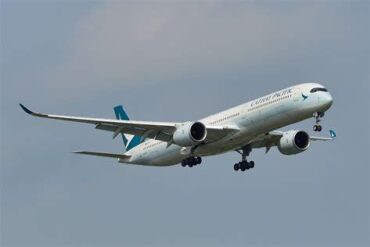
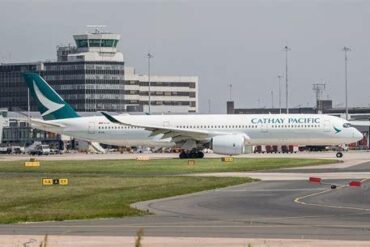
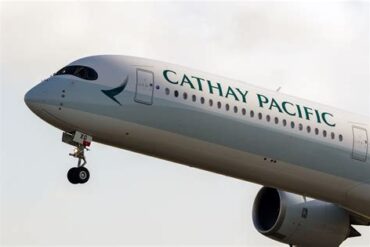
The return of direct flights between Texas and Hong Kong fills a notable void. American Airlines canceled its service on this route in 2019, and the absence has been keenly felt by business travelers and cargo operators alike. With Cathay’s A350-1000 aircraft now assuming the mantle, the airline is not merely reviving the route but elevating it with next-generation comfort, efficiency, and reliability.
The A350-1000 is renowned for its quiet cabin, fuel efficiency, and advanced air quality systems, offering an exceptionally smooth experience over ultra-long-haul distances. Coupled with Cathay Pacific’s premium services and enhanced lounge access, the offering appeals to both corporate travelers and discerning tourists.
The westbound Flight CX876 departs Hong Kong at 4:05 p.m. and arrives in Dallas at 5:55 p.m. the same day, while Flight CX875 leaves Dallas at 10:55 p.m., landing in Hong Kong at 4:35 a.m. two days later. These timings are strategically aligned with Cathay’s Asian network, ensuring efficient onward connections across Asia-Pacific.
An Aviation Power Play Against Global Rivals
This expansion puts Cathay Pacific in direct competition with an elite cadre of global carriers that have long dominated transpacific corridors. Japan Airlines, Korean Air, Air Canada, Delta, United, and Qatar Airways have established strongholds in various U.S.–Asia markets. However, many avoid Dallas as a direct link to Hong Kong, giving Cathay a unique niche.
By launching daily service, the airline is staking a claim in an underserved, high-revenue market, positioning itself as a connector between Asia and America’s economic heartland. With continued U.S.–China travel restrictions and airport slot limitations at major Chinese gateways, Hong Kong’s autonomy and aviation flexibility serve as Cathay’s unique leverage.
What Frequent Flyers Gain: Loyalty, Convenience, and Comfort
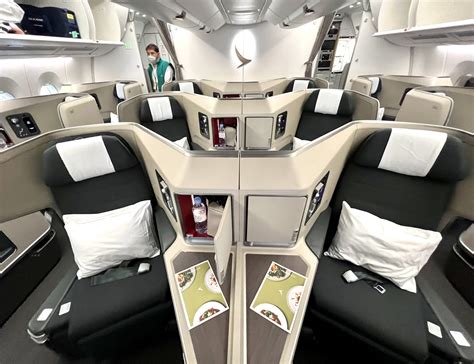
Cathay Pacific’s decision is a major win for frequent flyers. Members of the Marco Polo Club and Asia Miles loyalty programs will now benefit from daily availability, more upgrade opportunities, and improved mileage accrual. For premium travelers, the route is a luxury corridor, complete with lie-flat business class seats, world-class in-flight cuisine, and private lounges at both ends.
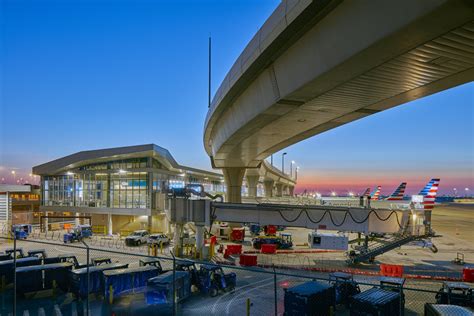
Moreover, DFW’s ongoing Terminal D enhancements—including expanded customs capacity, streamlined security, and renovated lounges—promise a top-tier travel experience. For international flyers connecting via Dallas, this translates to shorter wait times, better service, and efficient transit options.
Economic Catalyst for Texas and the Wider U.S. Region
This isn’t just about luxury seats and cargo bellies—it’s about economic synergy. The route is set to stimulate local economies by fueling tourism, international business deals, and logistics expansion. For Texas-based companies engaged in Asia-Pacific supply chains, it creates more predictable and timely access to key markets.
Surrounding states like Oklahoma, Louisiana, and New Mexico stand to benefit as well, as travelers funnel through Dallas for direct links to Hong Kong, Japan, Korea, and Southeast Asia. It’s a logistical breakthrough that redefines regional accessibility to the Far East.
Transpacific Cargo: The Underrated Powerhouse
Beyond passengers, the route supports high-value cargo movements, especially in electronics, biopharma, machinery, and e-commerce logistics. The A350-1000’s cargo capabilities make it an essential tool in Cathay’s freight portfolio. With Asia–Texas trade flows expanding, and supply chains needing faster alternatives, this direct line reduces transit time, complexity, and risk.
Freight forwarders, manufacturers, and logistics firms in North Texas now gain a direct, reliable pipeline to Hong Kong, which itself connects to mainland China’s major industrial centers.
Global Aviation’s New Era: Risk-Taking Yields Rewards
Cathay Pacific’s expansion is symptomatic of a bolder trend in international aviation: airlines that move fast, take calculated risks, and prioritize network breadth are the ones redefining success in a post-COVID market.
While some competitors remain cautious or reactive, Cathay’s proactive route development strategy has proven nimble and data-driven. The airline has clearly identified Dallas as a linchpin in U.S.–Asia growth, and is capitalizing on pandemic-induced market realignments.
In doing so, it’s reshaping the U.S. aviation map, extending Asia’s reach deep into the American South and creating opportunities far beyond traditional coastal hubs.
Cathay’s North American Playbook: From Recovery to Dominance
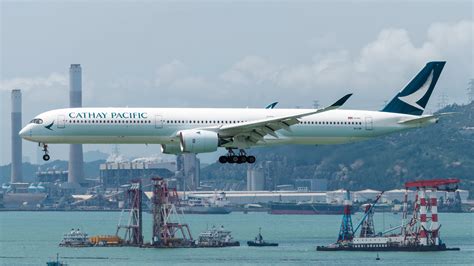
The Dallas route marks Cathay Pacific’s eighth gateway in North America, joining cities like Los Angeles, San Francisco, Vancouver, and New York. Each connection is part of a larger recovery roadmap, built on high-yield routes, operational efficiency, and brand prestige.
But Dallas is arguably the most daring move yet—given its ultra-long-haul nature, new market development demands, and the memory of American Airlines’ prior exit. That’s exactly what makes it impactful: Cathay isn’t just returning to form—it’s evolving into a sharper, smarter global competitor.
With the airline reporting a marked rebound in both premium and leisure bookings, this new daily service is expected to sustain strong forward-load factors, particularly as Asia-Pacific’s travel sector regains full momentum.
Conclusion: A Route That Redefines the Skies
Cathay Pacific’s daily Hong Kong–Dallas flights are more than just a commercial decision. They represent an assertive move in the new era of transpacific travel—one shaped by strategic vision, customer demands, and economic opportunity. The route adds immense value to frequent flyers, corporate leaders, logistics professionals, and regional travelers alike.
By reestablishing a vital Asia–Texas bridge, Cathay Pacific is not only filling a gap—it’s creating a new standard for long-haul aviation. In doing so, the airline sends a clear message: the skies are no longer the same. The competition is heating up, and Cathay Pacific is flying at the front of the formation.
For those planning their next journey across the Pacific, the boarding call is clear—and it’s daily.