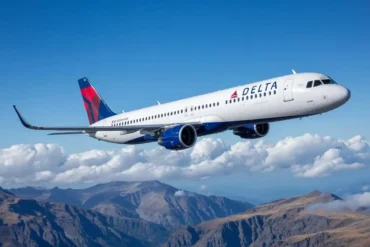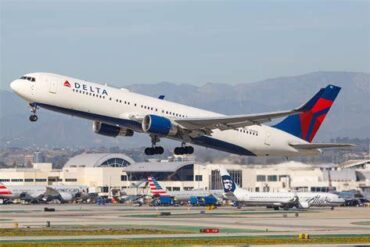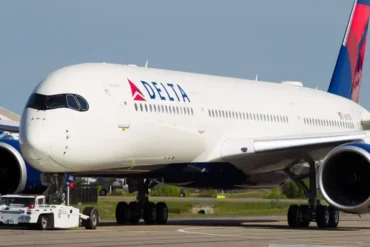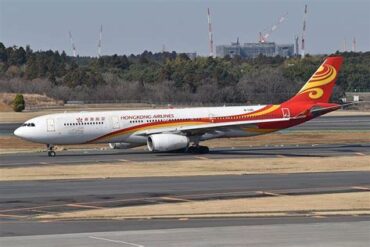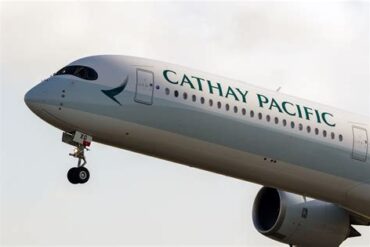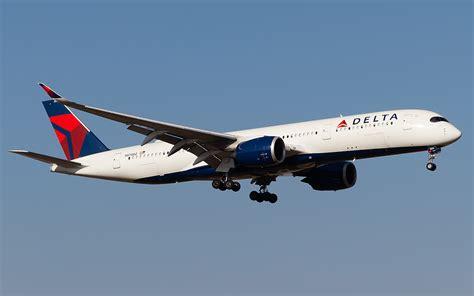
Delta Air Lines is poised to reassert itself on the trans‑Pacific stage with a bold relaunch of nonstop service between Los Angeles International Airport (LAX) and Hong Kong International Airport (HKG). For the first time in over eight years, travelers will again find Delta’s name on this coveted long‑haul corridor, directly challenging the entrenched dominance of Cathay Pacific, United Airlines, Japan Airlines, Asiana Airlines, EVA Air, and the legacy returnee, American Airlines. This move underscores Delta’s belief in the resilience of Asia’s travel market and its ambition to capture a meaningful share of lucrative point‑to‑point traffic, even as it navigates formidable competitive and operational headwinds.
The decision to revitalize the LAX–HKG route comes at a time when Asia’s appetite for air travel has rebounded from the depths of pandemic lockdowns and geopolitical disruptions. With visitor arrivals to Hong Kong climbing steadily and Los Angeles serving as a gateway to a diverse, high‑spending passenger base, Delta believes that now is the opportune moment to reclaim territory it once surrendered. But this relaunch is far from a simple network tweak; it is a high‑stakes gambit in one of aviation’s most challenging theaters, where route economics, fleet strategy, and regional partnerships can make or break profitability.
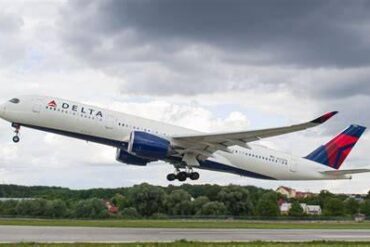
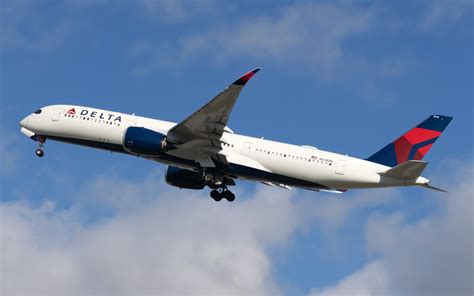
Passengers can expect Delta to deploy its state‑of‑the‑art Airbus A350‑900 on the nearly 7,300‑mile journey, signaling confidence in the aircraft’s range, fuel efficiency, and passenger comfort. By leveraging its robust domestic feed at LAX—over 150 peak daily departures—a successful relaunch could unlock new direct connections and price competitiveness, spurring fresh demand from both leisure and corporate travelers on both sides of the Pacific. Yet the margins on ultra‑long‑haul flights are notoriously thin, and Delta must ensure sufficient premium cabin uptake to offset operational costs and maintain yield integrity.
High‑Stakes Play for Hong Kong
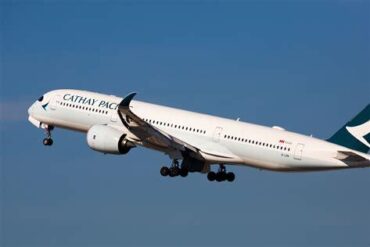
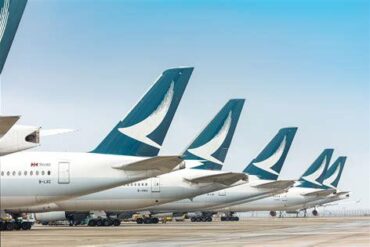
Delta’s retreat from Hong Kong in 2018 was framed as a strategic pivot toward Seoul Incheon, where a joint venture with Korean Air funneled trans‑Pacific traffic through Delta’s hub. At the time, connecting through Incheon offered broad network reach but required passengers to endure additional layovers. By contrast, a direct LAX–HKG service promises the convenience of nonstop travel, a selling point that could resonate strongly with premium and time‑sensitive travelers. Yet Hong Kong remains fiercely contested: Cathay Pacific operates three to four daily flights, bolstered by deep regional wings across Greater China and Southeast Asia, while United maintains two daily Boeing 787‑9 services. American’s earlier departure from the route highlights the pitfalls of overestimating local demand and underestimating competitive pricing pressures. Delta must now prove that sustained market improvements—post‑pandemic visitor growth, corporate travel resurgence, and expanded cargo opportunities—can support a permanent foothold in Hong Kong’s skies.
Strategic Pivot to Los Angeles
Choosing LAX as the launch point, rather than Delta’s traditional Seattle hub, reflects a calculated play to exploit Los Angeles’s unparalleled domestic network and demographic advantages. The Southern California metropolis boasts a significant Asian‑American population, global corporate headquarters, and a tourism market that draws visitors year‑round. By feeding long‑haul flights with robust domestic connections—from San Francisco, Seattle, Denver, and beyond—Delta aims to generate sufficient origin‑destination traffic to fill both economy and premium cabins. Moreover, LAX’s position as the West Coast’s busiest international gateway offers potential cargo revenue streams, further enhancing route economics.
However, Delta’s lack of a strong local partnership in Hong Kong presents a connectivity challenge. Unlike Cathay Pacific, which can seamlessly transfer passengers onto flights bound for Guangzhou, Shanghai, Bangkok, and Manila, Delta will rely primarily on point‑to‑point traffic. This model exposes the airline to volatility in leisure demand and corporate booking patterns, especially if fare wars erode yields. To mitigate these risks, Delta may explore interline agreements or expanded codeshares with Asia‑Pacific carriers, but such partnerships will likely trail the support enjoyed by its rivals based in Hong Kong or Tokyo.
The Aircraft Behind the Ambition
At the heart of Delta’s LAX–HKG strategy lies the Airbus A350‑900, an advanced widebody designed for ultra‑long‑range routes. Its selection is driven by three key advantages:
- Fuel Efficiency: State‑of‑the‑art Rolls‑Royce Trent XWB engines offer lower fuel burn per seat‑mile, reducing operational costs on the 7,300‑mile leg.
- Passenger Comfort: A spacious cabin with higher humidity, lower cabin altitude, and modern amenities can enhance the travel experience on flights exceeding 15 hours.
- Range Capability: The A350‑900 can operate the LAX–HKG sector at full payload without weight restrictions, ensuring Delta can carry both cargo and passengers profitably.
Despite these benefits, Delta’s fleet of A350‑900s is finite, and diverting multiple aircraft to this route may constrain capacity for other strategic markets—particularly in the South Pacific and Europe. The Airbus A330‑900neo, while modern, lacks the necessary range for nonstop LAX–HKG operations, effectively locking Delta into a limited pool of widebodies for this corridor. Effective fleet scheduling and potential wet‑lease arrangements may be essential to avoid bottlenecks and preserve flexibility across Delta’s global network.
Hong Kong’s Changing Tourism Landscape
Hong Kong’s tourism sector is navigating a complex recovery path. After years of stringent pandemic restrictions and social unrest, visitor arrivals have rebounded to pre‑pandemic levels, driven by business events, family reunions, and leisure travel. Key factors shaping this revival include:
- MICE Market Growth: Major conferences and exhibitions are returning to Hong Kong’s convention calendar, attracting corporate travelers willing to pay premium fares.
- Cultural Tourism: Festivals, Michelin‑starred dining, and luxury retail draw affluent tourists from North America and Europe.
- Cargo Demand: Hong Kong’s role as a logistics hub has maintained steady air cargo volumes, offering ancillary revenue for passenger flights.
Nevertheless, recovery remains fragile. Fluctuating economic indicators in Mainland China, shifting visa policies, and regional geopolitical tensions can quickly dampen demand. To succeed, Delta must craft dynamic pricing strategies that capture peak travel surges—such as Golden Week and Christmas—while maintaining load factors during off‑peak seasons.
Competition and Connectivity Challenges
On paper, Delta faces an uphill battle against two distinct competitor archetypes. Cathay Pacific leverages its home‑market advantage, with a network that funnels passengers from over 30 Asian cities, ensuring robust onward connectivity. United Airlines, while less entrenched regionally, benefits from its comprehensive U.S. network and Star Alliance partnerships, offering travelers two daily nonstop Dreamliner flights and seamless connections onward to destinations like Tokyo, Singapore, and Bangkok via alliances.
American Airlines’ previous departure from the LAX–HKG market underscores the perils of overcapacity and underperforming yields. Although American maintains strong presence across other Pacific routes, Hong Kong proved unsustainable without a local hub or deep partnerships. Delta must avoid repeating these missteps by accurately forecasting demand and aligning capacity with market realities.
Connectivity disadvantages may force Delta to:
- Invest in targeted codeshare agreements with Asia‑Pacific carriers to replicate hub‑and‑spoke benefits.
- Offer tiered fare structures and bundled ancillaries that appeal to both economy and premium segments.
- Enhance loyalty incentives to attract high‑value frequent flyers away from competitive carriers.
Market Timing and Industry Impact
The timing of Delta’s LAX–HKG relaunch could prove decisive for the broader travel industry. A successful service will likely trigger a cascade of strategic responses:
- Competitor Capacity Adjustments: Cathay and United may further increase frequencies or deploy larger aircraft to defend market share.
- Fare Dynamics: Heightened competition could lower average ticket prices, benefiting consumers but putting pressure on unit revenues.
- Network Reconfigurations: Other U.S. carriers might explore their own nonstop routes to Asia’s secondary hubs, such as Osaka or Taipei, in search of untapped demand.
- Tourism Partnerships: Tourism boards in California and Hong Kong could collaborate on joint marketing campaigns, leveraging new flight options to stimulate inbound and outbound travel.
Conversely, failure to achieve sustainable load factors or yield targets would serve as a cautionary tale. It could prompt Delta to redeploy its A350‑900s to more stable routes, scale back frequencies, or retreat entirely—mirroring past withdrawals from Detroit, Seattle, and Los Angeles on Asia routes. Such an outcome would reinforce the unforgiving economics of ultra‑long‑haul aviation and deter new entrants from challenging established carriers on marquee routes.
Delta Air Lines’ strategic comeback on the LAX–Hong Kong corridor represents a high‑stakes test of its long‑haul vision, fleet optimization, and market forecasting capabilities. By marrying the convenience of nonstop travel with the fuel‑efficient performance of the Airbus A350‑900, Delta aims to deliver a compelling value proposition to a revitalized trans‑Pacific audience. Yet without the deep regional feed and alliance support enjoyed by Cathay Pacific and United Airlines, Delta’s success hinges on its ability to generate robust point‑to‑point demand and maintain disciplined pricing.
As 2025 unfolds, the aviation world will watch closely to see whether Delta can rewrite its Hong Kong narrative or whether history will repeat itself in one of the world’s most prestigious and challenging air markets. The outcome will shape not only Delta’s Pacific strategy but also the future of U.S.‑Asia connectivity and the global long‑haul landscape for years to come.