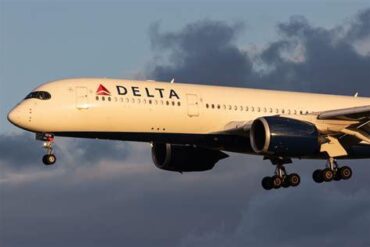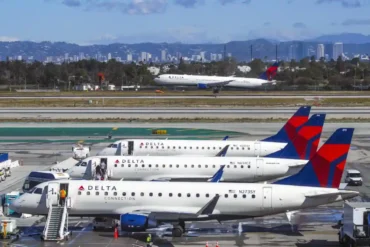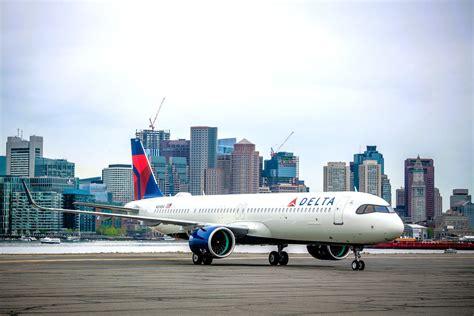
Delta Air Lines is preparing to intensify competition in one of America’s busiest premium travel markets by introducing new nonstop flights between Los Angeles International Airport (LAX) and Newark Liberty International Airport (EWR). Beginning on April 12, 2027, the airline will operate twice-daily flights on the highly traveled transcontinental corridor, directly challenging United Airlines on one of its strongest hub-to-hub routes.
The announcement marks another significant move in Delta’s broader strategy to strengthen its position in Los Angeles while expanding premium travel options for business and leisure passengers traveling between the East and West Coasts. The timing is especially notable, arriving only months after JetBlue Airways plans to discontinue service on the same route, creating an opportunity for Delta to capture additional market demand.
After years of investing heavily in airport facilities, premium lounges, and fleet modernization, Delta is positioning the new service as more than simply another domestic route. Instead, the carrier is presenting it as an extension of its long-term commitment to offering a high-quality travel experience across one of the country’s most competitive aviation markets.
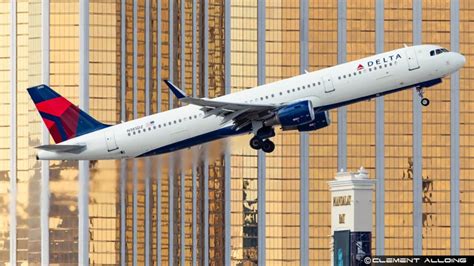
Delta Takes Aim at One of United’s Strongest Markets
The Los Angeles–Newark route has long been dominated by United Airlines, which operates extensive daily service between two of its largest strategic markets. Newark functions as United’s primary gateway to the New York metropolitan area, while Los Angeles represents one of its most important West Coast hubs.
Launching service directly into this competitive environment demonstrates Delta’s confidence that demand remains strong enough to support another major legacy carrier. Rather than avoiding United’s strongest territory, Delta is choosing to compete head-on by offering passengers additional scheduling flexibility and another premium-oriented travel option.
Twice-daily departures are expected to provide convenient morning and afternoon choices for travelers moving between both coasts, particularly business customers seeking reliable same-day connections.
Airbus A321neo Will Anchor the New Service
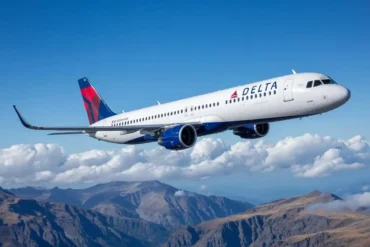
Delta confirmed that the route will be operated using the Airbus A321neo, an aircraft that has become the backbone of many of the airline’s premium domestic operations.
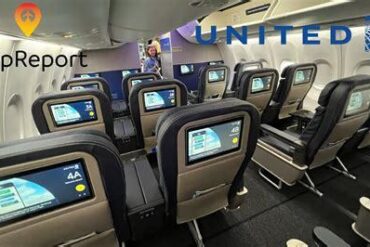
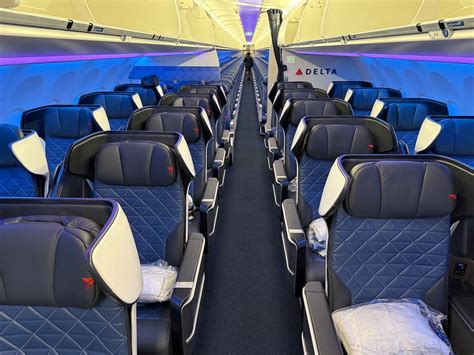
The carrier has not yet specified whether the standard A321neo or its newer premium-heavy configuration will be assigned to the route. The standard version accommodates 194 passengers, including 20 First Class seats, while the premium-focused configuration carries 164 passengers with a significantly larger First Class cabin featuring 44 seats.
Either aircraft reflects Delta’s continuing emphasis on premium revenue. Although neither version offers fully lie-flat business-class seating, the airline believes its onboard service, upgraded cabins, and airport experience create an attractive alternative for travelers.
Operating two flights daily means Delta will introduce more than 640 available seats every day across both directions, adding meaningful capacity to an already busy transcontinental corridor.
Premium Experience Extends Beyond the Aircraft
While onboard seating attracts considerable attention, Delta’s competitive strategy extends well beyond the aircraft itself.
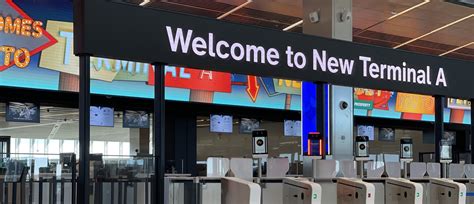
The airline has invested substantially in Terminal 3 at Los Angeles International Airport, transforming the facility into one of its flagship domestic operations. Travelers also gain access to Delta Sky Clubs, while eligible premium passengers can enjoy the carrier’s expanding Delta One Lounge network.
These investments are intended to create a seamless airport experience that complements the onboard product. For corporate travelers who value efficiency, lounge amenities, and reliable operations as much as inflight comfort, Delta hopes the overall experience will strengthen customer loyalty.
Company executives have repeatedly emphasized that Los Angeles remains central to Delta’s long-term growth strategy, making continued investment in premium infrastructure a natural extension of that commitment.
United Still Holds the Capacity Advantage
Despite Delta’s expansion, United Airlines will remain the dominant operator on the route by a considerable margin.
According to scheduled April 2027 capacity data, United plans approximately 330 flights in each direction during the month, offering more than 71,000 seats each way. Across the entire month, that exceeds 130,000 available seats, underscoring United’s commanding market presence.
United also differentiates itself through Polaris Business Class, providing fully lie-flat seating on every Los Angeles–Newark flight. Following JetBlue’s planned withdrawal, United will become the only airline offering a true long-haul business-class product throughout the route.
That distinction continues to appeal to premium corporate travelers whose employers prioritize lie-flat comfort for cross-country flights.
Alaska Airlines Remains an Important Competitor
Although much of the attention centers on Delta and United, Alaska Airlines also maintains a meaningful presence between Los Angeles and Newark.
The Seattle-based airline currently adjusts frequency seasonally, increasing operations during peak travel periods before returning to reduced schedules during slower months. For April 2027, Alaska is scheduled to operate approximately 90 flights in each direction, providing more than 31,000 seats across the month.
Delta’s initial schedule is considerably smaller than United’s and appears more closely aligned with Alaska’s scale. As a result, the competitive landscape will likely evolve into a three-carrier market with distinctly different premium offerings and network strengths.
Los Angeles Continues to Be a Strategic Battleground
Competition in Los Angeles has intensified over recent years as major U.S. airlines continue investing heavily in Southern California.
United has publicly stated its ambition to become the leading airline at Los Angeles International Airport, where Delta currently enjoys a particularly strong competitive position following years of infrastructure investment and network expansion.
Both carriers have responded aggressively to one another’s announcements through new routes, additional frequencies, and expanded premium offerings. The introduction of Los Angeles–Newark nonstop service represents another chapter in that ongoing rivalry.
Rather than competing solely on ticket prices, both airlines increasingly focus on premium cabins, airport facilities, loyalty benefits, and network connectivity to attract high-value travelers.
What Travelers Can Expect Beginning in April 2027
Passengers traveling between Southern California and the New York metropolitan area will benefit from greater airline choice once Delta launches service.
Business travelers will gain additional departure options, while leisure passengers may also benefit from increased competition on fares and scheduling flexibility. Delta’s investment further reinforces the importance of transcontinental travel within the U.S. aviation market, where premium demand continues to shape airline strategy.
Although United remains the clear market leader in terms of capacity and premium lie-flat seating, Delta’s arrival introduces another well-established competitor with an extensive loyalty program, modern aircraft, and a growing premium airport experience.
As airlines continue investing in their flagship domestic routes, the Los Angeles–Newark corridor is poised to remain one of the nation’s most closely watched competitive battlegrounds. Beginning in April 2027, travelers will have another compelling option connecting two of America’s most important business and travel hubs.