United Airlines is sharpening its competitive edge in the U.S. transcontinental market with the launch of a new nonstop route between Los Angeles International Airport (LAX) and Fort Lauderdale-Hollywood International Airport (FLL). Scheduled to begin in late October, the service marks a calculated expansion into a high-demand leisure and business corridor, reinforcing the carrier’s strategic presence in South Florida while tapping into steady West Coast demand.
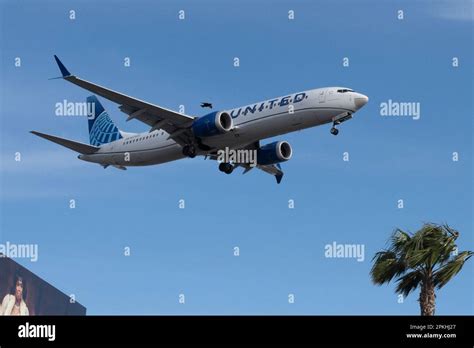
The route will be operated by the Boeing 737 MAX 9, a narrowbody aircraft that has increasingly become a backbone of United’s domestic operations. With its blend of extended range, improved fuel efficiency, and upgraded cabin features, the MAX 9 allows United to deliver a premium-leaning experience on routes that traditionally balance cost sensitivity with comfort expectations.
By entering this competitive market, United is not merely adding capacity—it is positioning itself to capture demand left behind by shifting market dynamics, while directly challenging entrenched rivals.
Strategic Rollout and Seasonal Capacity Surge
United’s initial rollout reflects a measured yet flexible capacity strategy, starting with five weekly flights before ramping up significantly during peak travel periods. This phased approach allows the airline to align capacity with seasonal demand spikes, particularly during the lucrative holiday window.
From December 17 through early January, the airline will operate double-daily flights, dramatically increasing seat availability. Monthly capacity projections reveal a sharp escalation, with over 7,000 seats in December, climbing to approximately 9,300 in January, before stabilizing into early spring.
This careful calibration of supply underscores United’s ability to dynamically respond to demand curves, especially on routes driven by leisure travelers heading to South Florida’s beaches and cruise hubs, as well as business passengers connecting between two major economic regions.
Optimized Schedule for Transcontinental Travelers
The flight schedule has been structured to maximize convenience for both eastbound and westbound travelers. Morning departures from Los Angeles ensure passengers arrive in Fort Lauderdale by late afternoon, ideal for same-day connections or evening arrivals into South Florida.
Return services depart Fort Lauderdale mid-afternoon, touching down in Los Angeles in the early evening—an attractive option for both business travelers and leisure passengers seeking efficient cross-country itineraries.
This timing strategy reflects a broader industry trend where airlines fine-tune schedules not just for operational efficiency, but for passenger lifestyle alignment, ensuring flights fit naturally into travelers’ daily rhythms.
High-Stakes Competition on a Crowded Corridor
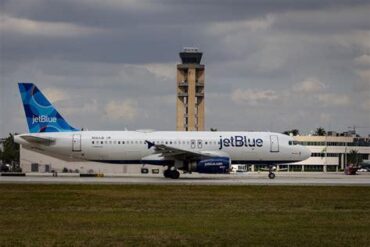
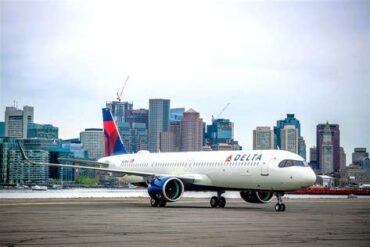
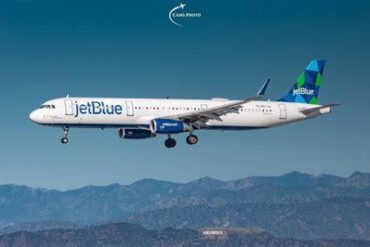
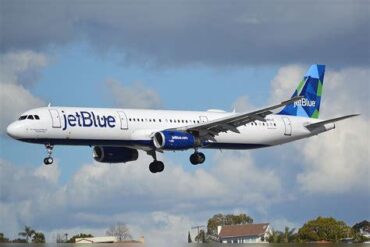
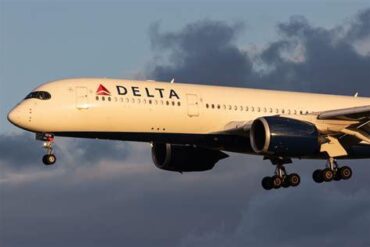
United’s entry into the Los Angeles–Fort Lauderdale market places it squarely against two formidable competitors: Delta Air Lines and JetBlue Airways. Both carriers already maintain a strong foothold, with JetBlue dominating the route through a high-frequency schedule and a differentiated onboard product.
JetBlue’s use of the Airbus A321, particularly with its Mint premium cabin featuring lie-flat seats, raises the bar for transcontinental comfort. Meanwhile, Delta’s consistent double-daily service with the A321neo ensures steady capacity backed by a reputation for operational reliability.
United’s response is not to outpace frequency immediately, but to compete through network connectivity, pricing flexibility, and onboard consistency. The MAX 9, configured with 179 seats across United First, Economy Plus, and standard Economy, offers a balanced product that appeals to a broad spectrum of travelers.
Inside the Boeing 737 MAX 9 Experience
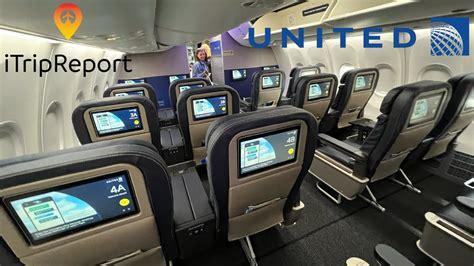
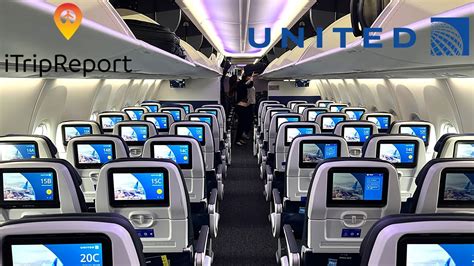
Passengers onboard the Boeing 737 MAX 9 can expect a modernized cabin environment designed for both comfort and connectivity. United has equipped the aircraft with in-seat power across all cabins and onboard WiFi, aligning with evolving passenger expectations for productivity and entertainment during flights approaching five hours in duration.
The three-class configuration ensures segmentation without sacrificing density, allowing United to maintain competitive pricing while still offering premium seating options. The aircraft’s quieter engines and improved cabin pressurization also contribute to a smoother and less fatiguing journey across the continent.
Fort Lauderdale’s Growing Role in United’s Network
The addition of Los Angeles service further cements Fort Lauderdale as a strategic node within United’s domestic network. With this new route, the airline will operate eight destinations from FLL, including two key links to the U.S. West Coast.
At a distance of approximately 2,342 miles, the Los Angeles route becomes United’s second-longest from Fort Lauderdale, trailing only its San Francisco service. This places the route in a unique operational category—long enough to demand efficiency and comfort, yet short enough to be served economically by a narrowbody aircraft.
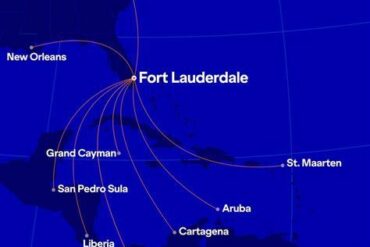
Fort Lauderdale’s appeal extends beyond local demand. As a gateway to the Caribbean and a major cruise departure hub, the airport attracts a steady flow of connecting passengers, enhancing the viability of long-haul domestic routes.
A Calculated Move in a Shifting Market
United Airlines’ decision to launch this service reflects a broader recalibration within the U.S. aviation landscape. With market gaps emerging and competitive dynamics evolving, airlines are increasingly targeting high-yield, high-demand city pairs that offer both volume and revenue potential.
By leveraging the capabilities of the Boeing 737 MAX 9 and deploying a phased capacity strategy, United is entering the Los Angeles–Fort Lauderdale corridor with precision rather than brute force. The result is a route that not only expands the airline’s footprint but also reinforces its adaptability in an increasingly competitive domestic market.
As the service ramps up into peak season, its performance will offer a clear signal of United’s ability to carve out share in one of the nation’s most contested transcontinental arenas.