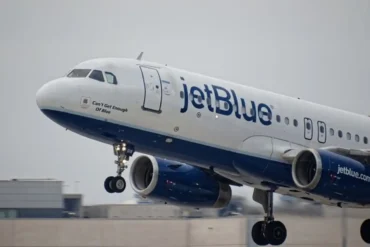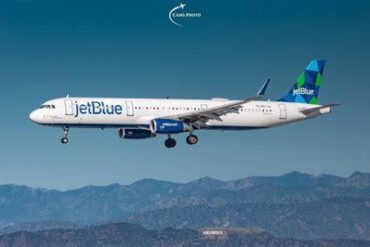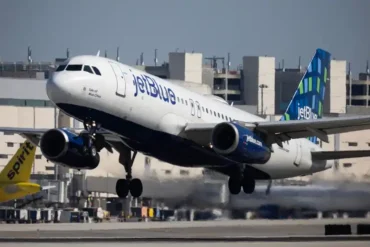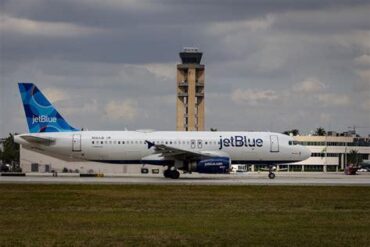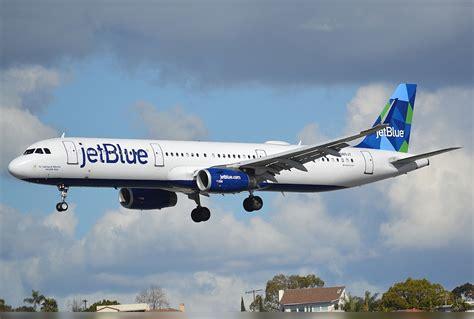
JetBlue Airways has accelerated its transformation at Fort Lauderdale-Hollywood International Airport (FLL), emerging as the airport’s largest airline following Spirit Airlines’ withdrawal from operations. The carrier is steadily increasing capacity, recruiting former Spirit employees, and investing in new routes, facilities, and aircraft operations as it reshapes one of Florida’s most competitive aviation markets. By the end of 2026, JetBlue expects to operate approximately 150 daily departures, underscoring its long-term commitment to South Florida.
The expansion did not happen overnight. According to company executives, JetBlue had been preparing for months as Spirit Airlines struggled through repeated financial challenges. Those preparations allowed the airline to respond immediately when market opportunities emerged, rapidly deploying aircraft, expanding staffing levels, and increasing available seats before competitors could establish a similar presence. The strategy reflects careful planning rather than a reactive response, giving JetBlue a substantial first-mover advantage in Fort Lauderdale.
Chief Executive Officer Joanna Geraghty explained that JetBlue recognized the opportunity well before Spirit ultimately exited the airport. The airline quietly ensured sufficient operational capacity while monitoring developments affecting its longtime competitor. Once the opportunity materialized, JetBlue quickly expanded schedules and infrastructure to accommodate growing passenger demand across domestic and international destinations.
JetBlue Becomes Fort Lauderdale’s Largest Airline
JetBlue now operates more than 130 daily flights from Fort Lauderdale, with plans to increase that figure to 150 daily departures by the end of next year. The additional flights significantly strengthen the carrier’s position at one of the busiest airports in Florida, allowing it to serve both local travelers and connecting passengers throughout its expanding network.
The airline has also expanded its physical footprint inside the airport. By growing to roughly 30 gates, JetBlue has secured the infrastructure necessary to support larger flight schedules while improving operational flexibility during peak travel periods. The expanded gate presence also simplifies aircraft rotations and enhances schedule reliability as passenger volumes continue increasing.
Rather than simply replacing lost capacity, JetBlue is repositioning Fort Lauderdale as one of its most important focus cities. The airport complements the airline’s established East Coast network while providing convenient access to the Caribbean, Latin America, and numerous domestic destinations.
Former Spirit Employees Find New Opportunities
JetBlue’s growth has created hundreds of employment opportunities across multiple operational departments. Among the newest hires are many former Spirit Airlines pilots, flight attendants, airport staff, and other aviation professionals whose experience enables the airline to expand quickly without compromising operational standards.
The recruitment effort benefits both the airline and displaced aviation workers. Experienced employees already understand Fort Lauderdale’s operational environment, airport procedures, and customer service expectations, allowing JetBlue to integrate additional staff more efficiently than relying solely on new entrants to the industry. The hiring initiative also preserves valuable aviation expertise within the South Florida market.
Maintaining Affordable Fares With Added Passenger Benefits
Although JetBlue has inherited much of Spirit’s former customer base, the airline has emphasized that its business model differs from the ultra-low-cost approach previously associated with the airport. Company leadership continues to stress competitive pricing, while pairing those fares with features that many travelers previously paid extra to receive.
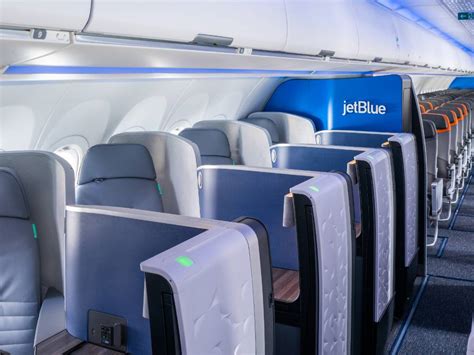
Passengers departing Fort Lauderdale benefit from complimentary high-speed Wi-Fi, free onboard snacks, seatback entertainment on many aircraft, and additional legroom compared with many low-cost competitors. These amenities strengthen JetBlue’s value proposition without attempting to exactly replicate Spirit’s lowest promotional fares. Instead, the airline is positioning itself between traditional full-service carriers and ultra-low-cost airlines, appealing to travelers seeking greater comfort without paying premium prices.
Expanded Route Network Strengthens Connectivity
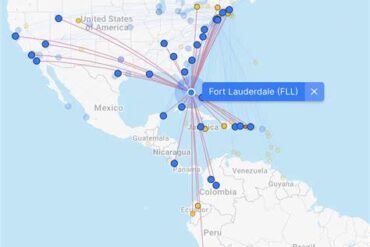
The growing Fort Lauderdale operation also enhances connectivity throughout JetBlue’s broader network. Travelers will gain access to approximately 370 connecting itinerary options, making the airport increasingly valuable as both an origin and transfer point.
Five additional destinations are scheduled before the end of the year. Barranquilla launches on October 1, followed by Cali on October 15. Indianapolis and Columbus both begin service on November 2, while San Diego joins the network on November 19. These additions expand JetBlue’s reach across domestic markets while reinforcing important international links to Colombia.
Long-Term Investment Signals Confidence In South Florida
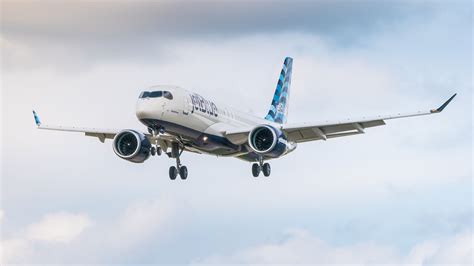
JetBlue’s ambitions extend beyond additional flights. The airline plans to establish a dedicated Airbus A220 pilot base at Fort Lauderdale during 2027, creating another important operational milestone for the airport. Establishing a pilot base typically represents a long-term investment, reinforcing confidence in sustained growth rather than temporary expansion.
Before Spirit’s withdrawal, the airline handled roughly 25% of Fort Lauderdale’s operations and carried more than 6.6 million annual passengers, while JetBlue accounted for about 20% of flights. Since expanding, JetBlue’s airport market share has climbed to approximately 36%, illustrating how rapidly the competitive landscape has shifted.
JetBlue also attracted former Spirit customers through targeted initiatives including status matches and rescue fares, enabling frequent flyers to transition with minimal disruption. Combined with expanded schedules, improved connectivity, and enhanced onboard amenities, those initiatives have helped solidify customer loyalty during a period of significant market change.
The transformation at Fort Lauderdale demonstrates how quickly airline competition can evolve when market conditions shift. By preparing well before opportunities became public, investing aggressively in employees and infrastructure, and expanding its route network with calculated precision, JetBlue has firmly established itself as Fort Lauderdale’s leading carrier, positioning the airport as a cornerstone of its future growth strategy.