JetBlue is intensifying its strategic expansion at Fort Lauderdale-Hollywood International Airport (FLL), unveiling a new nonstop route to Cleveland while strengthening nine existing connections across its network. The move underscores how central Fort Lauderdale has become to the airline’s operational blueprint as it continues building a powerful South Florida hub.
Over the past year, JetBlue has quietly reshaped the competitive landscape at FLL through a layered strategy of new route launches, network optimization, and targeted frequency increases. What might initially appear to be incremental adjustments now forms a sweeping expansion effort that has pushed the airline to the top position at the airport.
With the latest announcement, JetBlue signals that its growth at Fort Lauderdale is not slowing. Instead, the carrier is doubling down on a market where shifting competitive dynamics—particularly the contraction of Spirit Airlines—have created a rare opportunity for rapid network development.
Cleveland Joins JetBlue’s Expanding Fort Lauderdale Network
JetBlue’s newest destination from Fort Lauderdale is Cleveland Hopkins International Airport (CLE), marking another step in the airline’s aggressive growth strategy. Daily nonstop service between the two cities will begin on July 8, offering travelers in Northeast Ohio direct access to South Florida and connections throughout JetBlue’s expanding network.
The schedule has been designed with both leisure travelers and connecting passengers in mind. Flight 1590 will depart Fort Lauderdale at 8:55 PM, arriving in Cleveland at 11:59 PM, while the return service, Flight 2289, leaves Cleveland at 8:00 AM and touches down in Fort Lauderdale at 10:55 AM.
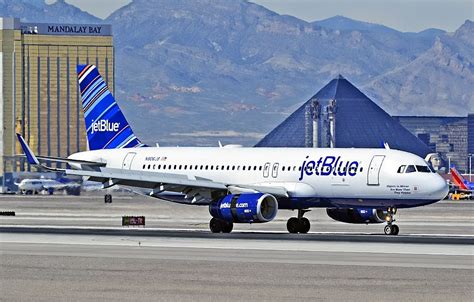
This new link reflects JetBlue’s broader strategy of strengthening its foothold at Fort Lauderdale by connecting it with high-demand domestic markets. Cleveland becomes the 21st destination added from FLL in just the past year, an extraordinary pace of expansion that illustrates how quickly the airline’s network has evolved.
Yet Cleveland is far from an uncontested market. The route already features service from Frontier Airlines, Spirit Airlines, and United Airlines, meaning JetBlue is deliberately stepping into a competitive environment rather than simply filling abandoned routes. That shift highlights the airline’s growing confidence in the strength of its Fort Lauderdale base.
Twenty-One New Destinations in a Single Year
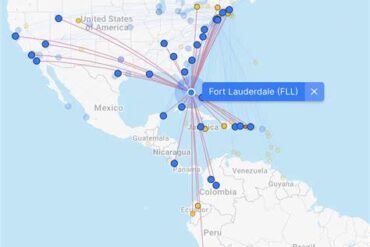
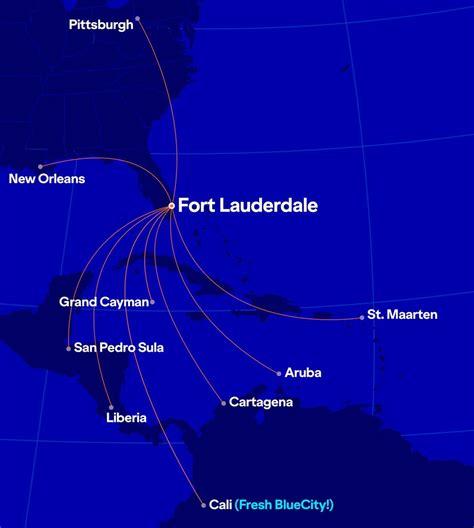
The Cleveland announcement represents the latest milestone in what has been one of the most aggressive route expansion campaigns in recent U.S. aviation history. Over the past twelve months, JetBlue has steadily built out its Fort Lauderdale map with a mix of domestic, Caribbean, and Latin American destinations.
New routes added during this period include:
- Atlanta
- Austin
- Dallas–Fort Worth
- Philadelphia
- Pittsburgh
- Orlando
- Tampa
- Norfolk
- New Orleans
- Aruba
- St. Maarten
- Grand Cayman
- Guatemala City
- San Pedro Sula
- Cali
- Cartagena
- Guayaquil
- Liberia, Costa Rica
- Santiago de los Caballeros
- Syracuse
- Cleveland
This expansion dramatically alters JetBlue’s footprint in South Florida. Data comparing Q2 2025 to Q2 2026 shows the airline operating more than 5,000 additional flights at Fort Lauderdale, representing a remarkable 45% increase in capacity.
By the third quarter of 2026, the airline is projected to operate close to 200 daily departures and arrivals at FLL during peak periods.
A Strategy Built Through Incremental Growth
JetBlue did not become Fort Lauderdale’s largest airline through a single bold announcement. Instead, the carrier pursued a deliberate sequence of moves that gradually reshaped the airport’s hierarchy.
The process unfolded in several phases:
- Restoring routes that had been reduced during the pandemic era
- Adding new domestic connections to strengthen network density
- Expanding service into the Caribbean and Latin America
- Increasing flight frequencies on successful routes
Each stage reinforced the next, producing a network that is both broader and deeper than it was just a year ago. By layering new routes with additional frequencies, JetBlue created a web of connections that significantly improves passenger convenience and connectivity.
Nine Routes Receive Significant Frequency Boosts
While the Cleveland route has drawn headlines, the more consequential development may be the frequency increases on nine existing routes. These enhancements will begin rolling out in early July and will significantly improve travel flexibility for passengers.
The following destinations are receiving additional flights:
- Atlanta: increased to four daily flights
- Aruba: upgraded to daily service
- Newark: expanded to four daily flights
- Jacksonville: increased to two daily flights
- Las Vegas: expanded to three daily flights
- Norfolk: boosted to daily service
- Philadelphia: increased to three daily flights
- Santo Domingo: expanded to two daily flights
- St. Maarten: upgraded to daily service
Frequency expansion often signals strong performance on a route. When airlines add additional daily flights rather than launching new destinations, it typically indicates sustained demand and reliable profitability.
For passengers, more frequent service translates into greater scheduling flexibility, shorter connection times, and improved reliability across the network.
JetBlue’s “Jet Forward” Strategy in Action
The network adjustments at Fort Lauderdale are closely tied to JetBlue’s broader “Jet Forward” strategy, an initiative designed to restore sustained profitability while strengthening the airline’s competitive position.
Increasing frequencies on profitable routes aligns perfectly with that goal. Each additional flight creates more opportunities for connecting traffic and allows the airline to maximize aircraft utilization across its fleet.
Daniel Shurz, JetBlue’s Senior Vice President of Network Planning, emphasized the strategic logic behind the expansion when discussing the latest announcement. He explained that the airline is focused on building a network in Fort Lauderdale that delivers greater choice, stronger connectivity, and increased flexibility for travelers.
In practical terms, that means both expanding the route map and ensuring that popular routes offer multiple daily departures.
Spirit Airlines’ Retreat Creates a Strategic Opening
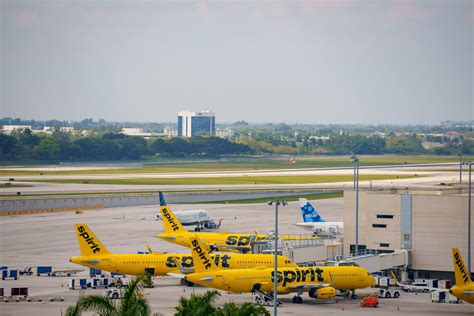
JetBlue’s rise at Fort Lauderdale has not occurred in isolation. The airport’s competitive balance has been shifting dramatically due to the ongoing restructuring of Spirit Airlines, which historically dominated the low-cost market at FLL.
Spirit has been forced to scale back operations as part of its financial restructuring efforts. The airline’s flight numbers at Fort Lauderdale have fallen significantly, creating space for rivals to move in.
Statistics comparing the second quarter of 2025 and 2026 highlight the change:
- JetBlue: 45% increase in flights
- Spirit Airlines: 14% decrease
- Frontier Airlines: 214% increase
- Allegiant Air: 26% increase
- Breeze Airways: newly entering the market
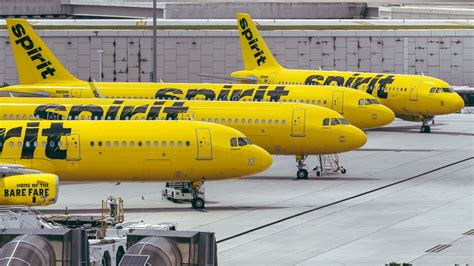
JetBlue has clearly emerged as the primary beneficiary of this shift. With Spirit reducing capacity, JetBlue has gained access to valuable airport infrastructure including gates, slots, and passenger demand.
The result is a competitive environment that looks very different from the one that existed just two years ago.
Fort Lauderdale’s Low-Cost Airline Hierarchy Is Changing
Fort Lauderdale has long been considered one of the most important low-cost airline strongholds in the United States. For years, Spirit Airlines defined the airport’s identity, operating an extensive network of budget flights across North America, the Caribbean, and Latin America.
That dominance is now being challenged.
JetBlue’s rapid expansion, combined with growth from carriers such as Frontier, Allegiant, and Breeze Airways, is transforming the airport into a far more competitive arena. Instead of one dominant low-cost carrier, Fort Lauderdale is evolving into a multi-airline battleground where several operators are competing for market share.
JetBlue’s approach stands out because it blends elements of both low-cost and full-service models. The airline offers competitive fares while maintaining features such as free onboard Wi-Fi, live television, and more generous seat pitch, differentiating it from ultra-low-cost rivals.
Infrastructure Expansion Supports Future Growth
The runway for JetBlue’s growth at Fort Lauderdale remains long. The airport itself is undergoing infrastructure development, including the construction of Terminal 5, which will provide additional gate capacity and improved passenger facilities.
This expansion comes at a pivotal moment. As Spirit reduces its footprint and new gates become available, airlines like JetBlue have an opportunity to expand their operations without facing the usual constraints associated with crowded airports.
JetBlue President Marty St. George has already hinted that more announcements are likely, noting that the airline still has “more stuff to come” as opportunities continue to emerge.
Fort Lauderdale’s Role in JetBlue’s Future
JetBlue’s transformation of Fort Lauderdale into a major operational base reflects a broader shift in the airline’s network philosophy. Rather than relying primarily on its traditional Northeast strongholds such as New York JFK and Boston, the carrier is increasingly investing in strategic focus cities that can support international connections and leisure travel demand.
South Florida fits that strategy perfectly. The region offers strong year-round tourism demand, extensive Caribbean connectivity, and a large local population that supports both domestic and international routes.

By building a dense network at FLL, JetBlue is creating a powerful gateway that links North America, the Caribbean, and Latin America. Each additional route or frequency strengthens that network effect, making the airport even more attractive for travelers seeking convenient connections.
The addition of Cleveland and the expansion of nine other routes illustrate how the airline is turning Fort Lauderdale into one of the most dynamic hubs in its system.
As the competitive landscape continues to evolve, JetBlue’s aggressive expansion suggests that its leadership at Fort Lauderdale may only be the beginning of a much larger transformation.