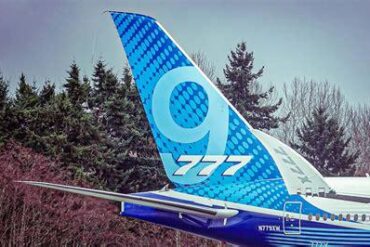
The Boeing 777X represents one of the most ambitious developments in modern commercial aviation, combining a massive composite wing, advanced engines, and a longer-range capability designed to redefine the future of long-haul travel. However, one question has followed the aircraft since its introduction: will the Boeing 777X ever be banned from certain airports like the Airbus A380?
The concern is understandable. The Airbus A380 became famous not only for its size and passenger capacity but also for the infrastructure challenges it created. Many airports had to spend hundreds of millions of dollars upgrading taxiways, gates, parking stands, and terminal facilities to support the world’s largest passenger aircraft. Some airports decided the investment was not worthwhile, limiting where airlines could operate the superjumbo.
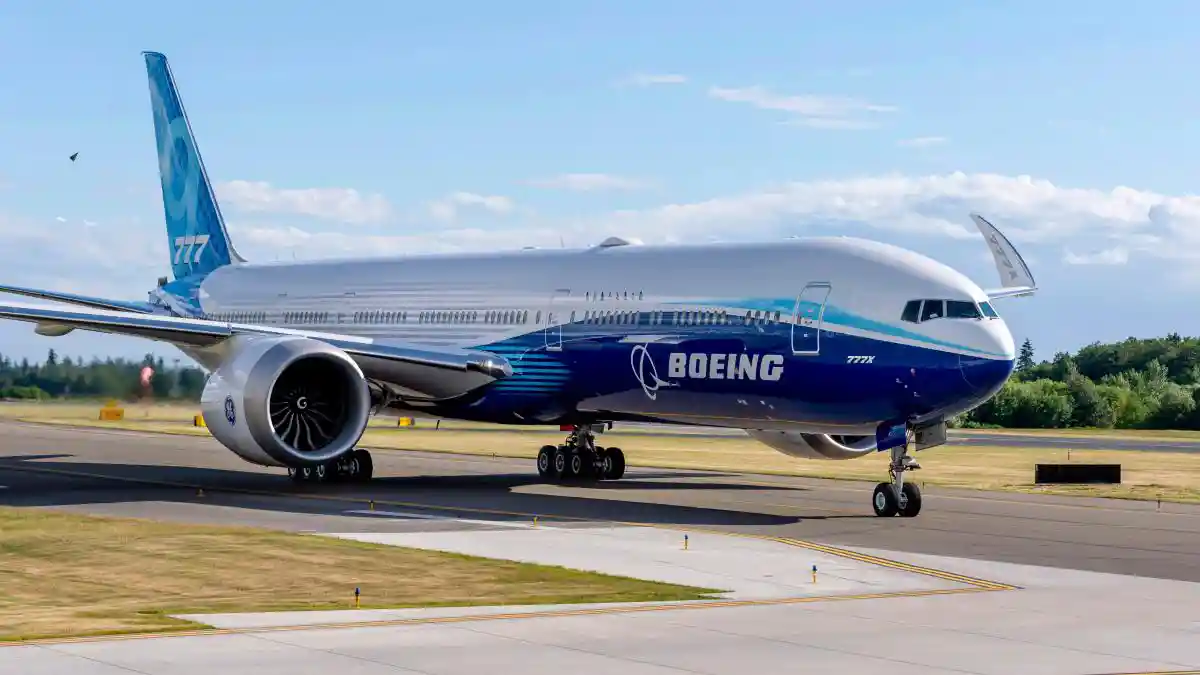
At first glance, the Boeing 777X appears to face a similar problem. Its enormous wingspan is even wider than the current Boeing 777 family, and when fully extended, it technically enters the same ICAO Code F aircraft category as the Airbus A380. However, Boeing approached the challenge differently. Instead of designing an aircraft that forces airports to change, Boeing created an aircraft that changes itself to fit existing airport infrastructure.
Boeing 777X Was Designed To Avoid The Airbus A380 Airport Problem
The biggest difference between the Boeing 777X and Airbus A380 is not simply their size. It is the way each aircraft interacts with airports.
The Airbus A380 has a fixed wingspan of approximately 261.8 feet (79.8 meters). Because those wings cannot be shortened while the aircraft is on the ground, airports must permanently provide Code F infrastructure wherever the aircraft operates. This includes wider taxiways, larger parking areas, increased aircraft separation distances, and specially designed gates.
For airports that already handled large international traffic, these upgrades were manageable. Major hubs such as Dubai, London Heathrow, Singapore Changi, and Paris Charles de Gaulle invested heavily because airlines operating the A380 created significant passenger demand. However, many smaller airports around the world chose not to make such expensive modifications, effectively limiting the aircraft’s network flexibility.
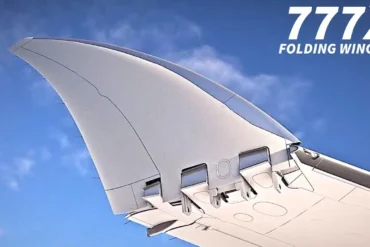
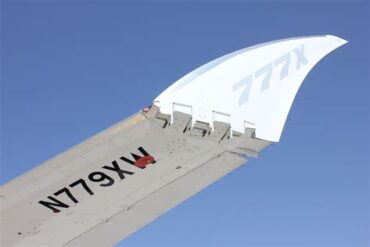
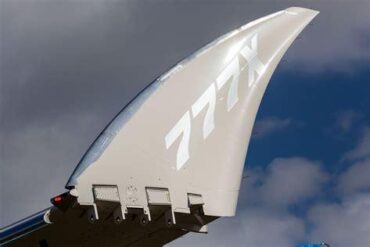
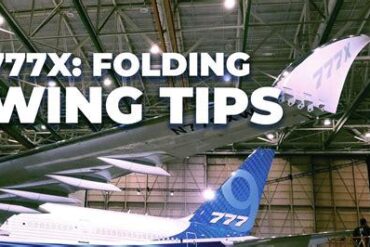
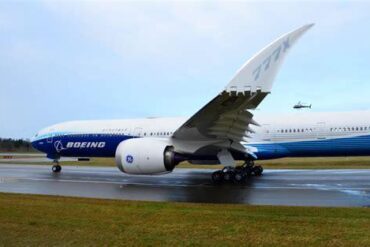
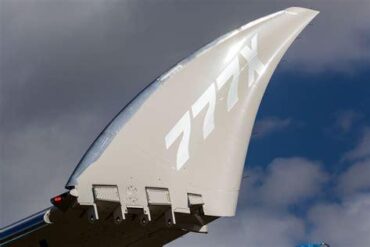
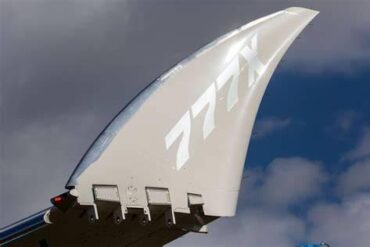
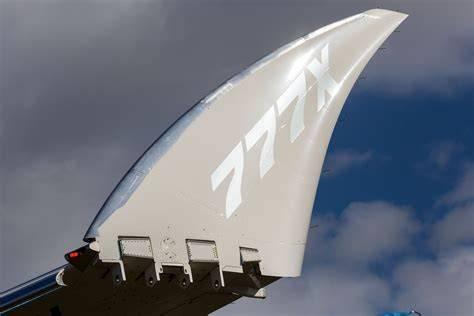
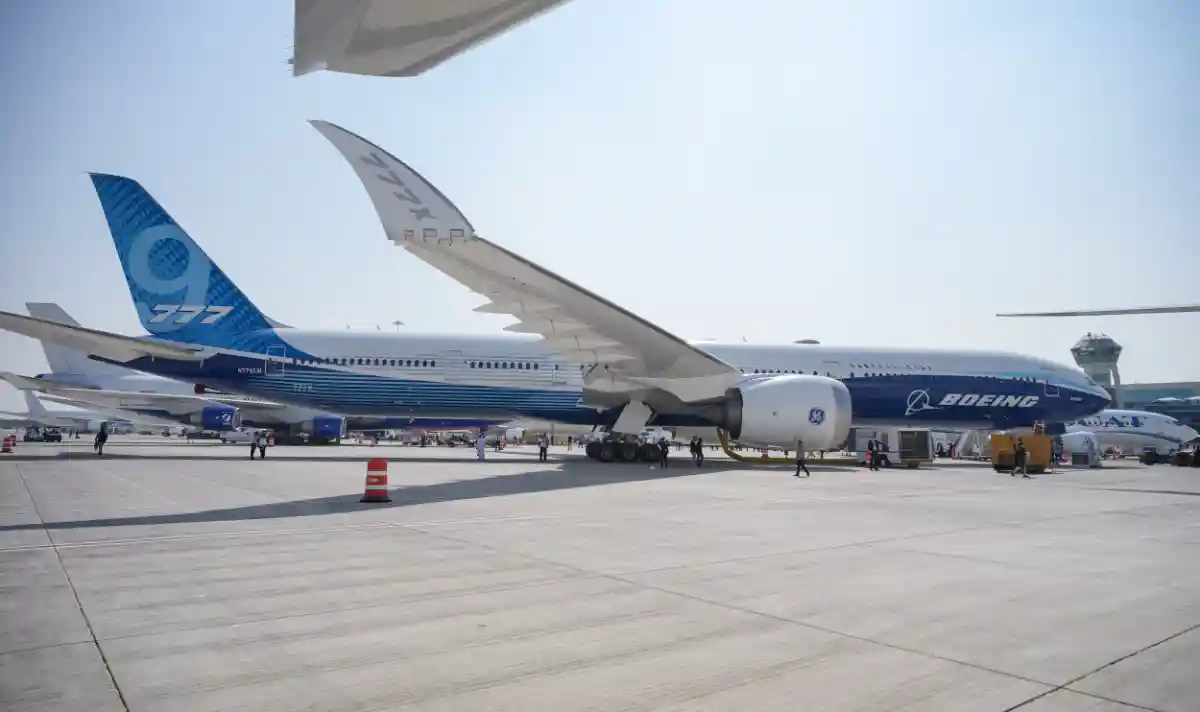
The Boeing 777X takes a completely different approach. Its folding wingtips allow the aircraft to have a large, efficient wing in flight while reducing its footprint when operating on the ground. When the aircraft lands, the outer sections of the wings fold upward, reducing the wingspan from approximately 235.5 feet (71.8 meters) to around 212.8 feet (64.85 meters).
That reduction is extremely important because it allows the 777X to fit within the same general airport category as existing widebody aircraft such as the Boeing 777-300ER, Boeing 787 Dreamliner, and Airbus A350.
Rather than becoming another aircraft that requires airports to rebuild their facilities, the 777X was engineered to operate within the infrastructure airlines already use.
Why Aircraft Size Does Not Automatically Mean Airport Restrictions
Many aviation enthusiasts assume that a larger aircraft automatically creates airport limitations. In reality, airport compatibility depends on several technical factors, especially wingspan, landing gear dimensions, taxiway width, and parking requirements.
The International Civil Aviation Organization (ICAO) classifies aircraft according to these physical dimensions. The categories determine how much space an aircraft requires while moving around an airport.
Most modern long-range widebody aircraft operate within Code E, which generally includes aircraft with wingspans of up to approximately 213 feet (65 meters). This category covers some of the world’s most common international aircraft, including the Boeing 777-300ER and Airbus A350.
Aircraft exceeding that limit enter Code F, which includes the Airbus A380 and Boeing 747-8. These aircraft require more specialized infrastructure because their wings remain large both in the air and on the ground.
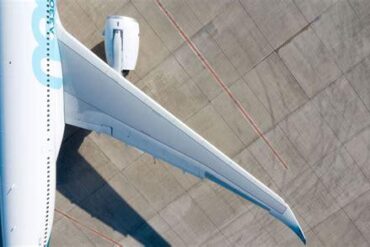
The Boeing 777X technically crosses into Code F territory during flight because its wings are optimized for maximum aerodynamic performance. A longer wingspan improves fuel efficiency by increasing the wing’s aspect ratio, reducing drag, and improving overall performance.
However, after landing, the folding wingtip system changes the aircraft’s airport classification. This allows the 777X to combine the advantages of a larger aircraft with the operational flexibility of a smaller widebody.
The Folding Wingtip System Is The Key To Boeing 777X Airport Compatibility
The most recognizable feature of the Boeing 777X is its unique folding wingtip technology. While folding wings have existed on military aircraft for decades, the 777X is among the first commercial passenger aircraft to introduce the concept on such a large scale.
The system is relatively simple in concept. After landing, each wingtip rotates upward approximately 90 degrees, reducing the aircraft’s wingspan enough to navigate airport taxiways and parking areas designed for existing widebody aircraft.
Before departure, the wingtips must return to their fully extended position. Boeing designed multiple layers of protection to ensure the aircraft cannot take off incorrectly.
Sensors monitor the position of each wingtip, mechanical locking systems confirm that the wings are securely deployed, and flight control computers prevent takeoff if the aircraft does not meet the required conditions.
This safety design was essential because commercial aviation regulators demanded that the folding mechanism demonstrate the same level of reliability expected from any other critical aircraft system.
For airlines, the advantage is significant. The aircraft receives the aerodynamic benefits of a very large wing during flight without forcing operators to dramatically change their airport networks.
This was one of the biggest lessons Boeing learned from the A380 era. Airlines do not only evaluate aircraft based on fuel efficiency and passenger capacity. They also consider where the aircraft can fly and how easily it can fit into existing operations.
Boeing 777X Vs Airbus A380: Two Large Aircraft With Different Airport Impact
The Boeing 777X and Airbus A380 are often compared because both represent the largest category of passenger aircraft. However, their impact on airport operations is fundamentally different.
The Airbus A380 was built around the idea of transporting huge numbers of passengers between major global hubs. Its double-deck design offered unmatched capacity, but its size also created challenges. Airlines needed strong demand on specific routes to justify operating such a large aircraft.
The Boeing 777X follows a different philosophy. Instead of maximizing passenger capacity, Boeing focused on efficiency, flexibility, and range. The aircraft is designed to replace older long-range widebody aircraft while allowing airlines to maintain more route options.
| Feature | Boeing 777X | Airbus A380 |
|---|---|---|
| Wingspan in flight | 235.5 feet (71.8 meters) | 261.8 feet (79.8 meters) |
| Wingspan on ground | 212.8 feet (64.85 meters) | 261.8 feet (79.8 meters) |
| Airport category when parked | Code E | Code F |
| Folding wings | Yes | No |
| Major airport modifications | Usually unnecessary | Often required |
The difference explains why the Boeing 777X is unlikely to experience the same airport limitations as the A380. The aircraft may be physically larger than many existing widebodies, but its ground footprint is carefully controlled.
For airlines, this creates a major economic advantage. A carrier can introduce the 777X into existing Boeing 777 operations without requiring every destination airport to invest in expensive infrastructure upgrades.
Could Some Airports Still Restrict The Boeing 777X?
Although the Boeing 777X was specifically designed to avoid widespread airport bans, that does not mean every airport will automatically accept it without changes.
Individual airports may still create operational restrictions based on their own layouts. Older terminals, narrow taxiways, congested aprons, or limited parking areas could require special procedures.
For example, an airport may assign the aircraft specific gates, taxi routes, or parking positions to maintain safe separation from other aircraft. Ground crews will also require training to handle the folding wingtip procedures correctly.
These restrictions, however, are very different from the challenges faced by the Airbus A380. The A380 often required physical reconstruction of airport facilities before airlines could begin operations. The 777X generally requires operational adjustments rather than major construction projects.
Regulatory authorities also needed to carefully evaluate the folding wing system before approving the aircraft. Since commercial aviation had limited experience with folding wings on large passenger aircraft, Boeing had to demonstrate that the technology could meet strict safety requirements.
The result is an aircraft that adapts to airports rather than forcing airports to adapt to it.
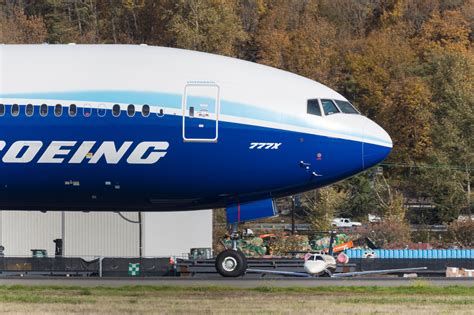
The Boeing 777X Was Built For The Reality Of Modern Airports
The Airbus A380 showed the aviation industry that size alone does not guarantee commercial success. An aircraft can offer incredible passenger capacity, but if airports cannot easily support it, airlines face significant operational limitations.
The Boeing 777X represents a different approach. Boeing recognized that airlines value flexibility as much as performance. A long-range aircraft that can serve hundreds of airports is often more valuable than a larger aircraft restricted to only the world’s biggest hubs.
The folding wingtip system is therefore more than a technical curiosity. It is a strategic solution to one of the biggest challenges facing large commercial aircraft.
When the Boeing 777X eventually enters widespread airline service, some airports may introduce specific procedures or limitations, but a situation where the aircraft is broadly banned like the Airbus A380 is highly unlikely.
The 777X was designed from the beginning to avoid that problem. Its massive wing delivers efficiency in the sky, while its reduced ground footprint allows it to operate within the airport networks airlines already depend on.
In many ways, the Boeing 777X represents the next generation of large aircraft design: not simply building a bigger aircraft, but creating a larger aircraft that understands the practical realities of global aviation infrastructure.