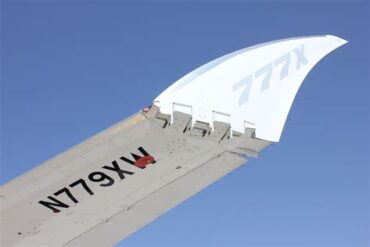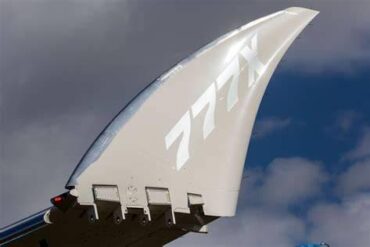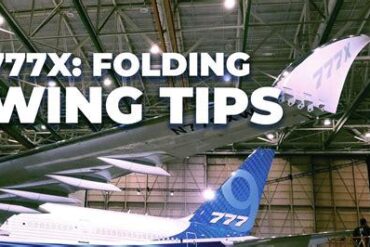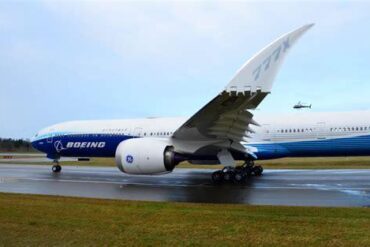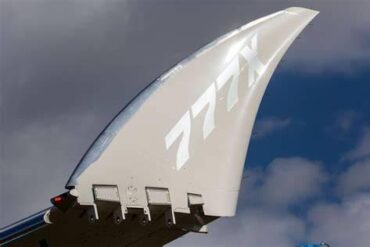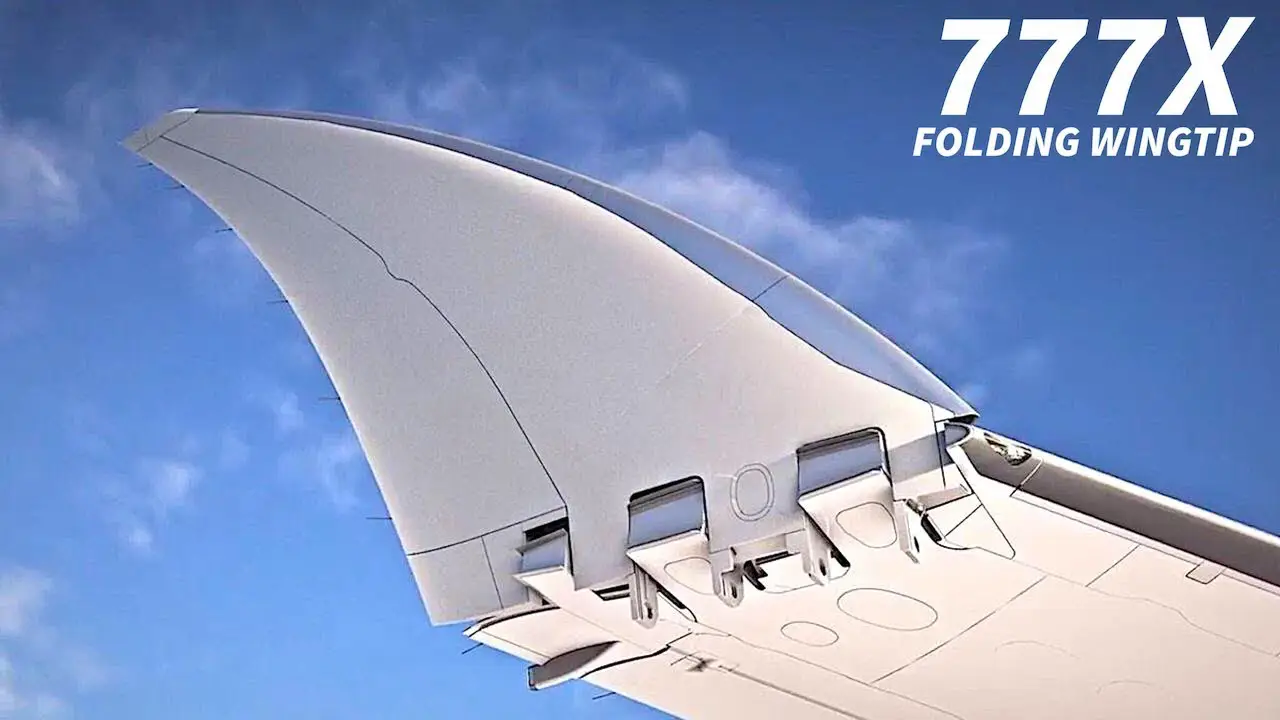
The Boeing 777X stands as a monumental leap in long-haul aircraft engineering, combining unprecedented aerodynamic ambitions with clever regulatory circumvention. Among its many revolutionary features, none have sparked more curiosity—or engineering admiration—than its folding wingtips. The very concept of a commercial airliner with moving wing segments evokes imagery more common in naval aviation than in the realm of widebody jets. But Boeing didn’t just build this feature for flair—it was a calculated, high-stakes maneuver that blends performance enhancement with operational pragmatism.
The Aerodynamic Arms Race: Why Longer Wings Matter
To understand the 777X’s folding wing mechanism, one must first grasp the importance of aerodynamic efficiency in modern aviation. At cruising altitudes, fuel burn is determined primarily by two factors: engine performance and aerodynamic drag. While the 777X’s twin GE9X engines are a technological triumph in themselves—promising a 10% improvement in fuel efficiency over predecessors—the real game-changer is the wing design.
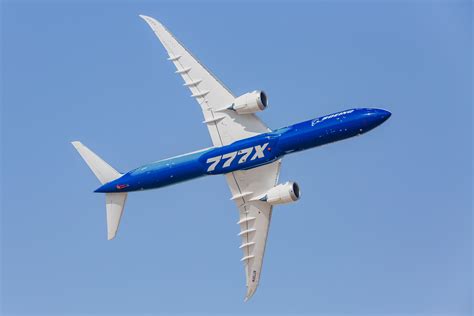
Boeing increased the wingspan of the 777X to 235 feet and 5 inches, a massive expansion over the 212 feet and 7 inches of the previous 777-300ER. This increase isn’t cosmetic. By extending the wings, Boeing significantly improved the aircraft’s lift-to-drag ratio, which reduces induced drag—a major component of total drag, especially during takeoff and climb. The result is a 12-13% fuel efficiency gain over its predecessor, translating to reduced operating costs and longer range capabilities.
However, such a long wingspan introduces new logistical hurdles. Not all airports can accommodate aircraft with such dimensions, and that’s where ICAO regulations come into play.
Bending the Rules Without Breaking Them: ICAO Code E Compliance
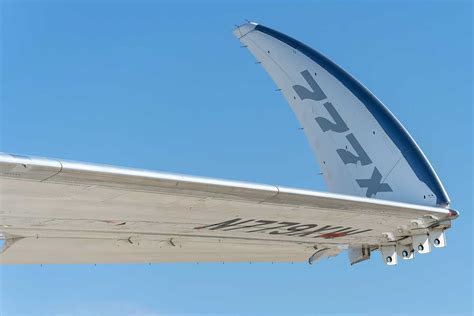
The International Civil Aviation Organization (ICAO) classifies aircraft into six categories, Code A through F, based on wingspan and other physical parameters. Aircraft falling under Code E—which includes most large twin-jets like the A330, 787, and A350—must have a wingspan no greater than 65 meters (213.2 feet). The Boeing 777X, with its full wingspan, would breach this limit and qualify as a Code F aircraft—joining the ranks of behemoths like the Airbus A380 and Boeing 747-8.
Code F designation drastically limits an aircraft’s operational versatility. Airports must undergo expensive infrastructure upgrades—widening taxiways, altering gate spacing, and modifying airfield layouts. Boeing understood that airline operators would balk at such a constraint, regardless of the aircraft’s performance. Thus, engineers devised the folding wingtip—a mechanism that retracts 11 feet of the wing on each side after landing, instantly transforming the aircraft back into Code E compliance. This gives airlines the best of both worlds: ultra-efficient performance in the sky and broad airport compatibility on the ground.
The Origins of a Revolutionary Idea
Interestingly, the idea of folding wings isn’t new—even for the Triple Seven. During the early 1990s, Boeing briefly considered equipping the original 777 with folding wingtips to enhance gate compatibility. At that time, the proposal called for 21-foot folding sections, but it was abandoned due to concerns over mechanical complexity, added weight, and regulatory approval hurdles.
Three decades later, advancements in materials science and actuator technology have made this vision a reality. The 777X utilizes carbon fiber-reinforced polymer (CFRP) for much of its wing structure. CFRP offers superior strength-to-weight ratio and fatigue resistance compared to traditional aluminum, offsetting much of the added mass from the wingtip folding mechanisms.
This allows the 777X to maintain structural integrity and performance while accommodating an additional layer of mechanical sophistication.
The Price of Innovation: Certification Delays and Mechanical Complexity
While revolutionary, the folding wingtip design has not come without cost. The U.S. Federal Aviation Administration (FAA) subjected the new system to an exhaustive certification process, requiring comprehensive ground tests, fatigue analyses, and safety simulations. One key requirement is that the wingtips must automatically fold when the aircraft slows below 50 knots after landing, ensuring they are always stowed during taxiing.
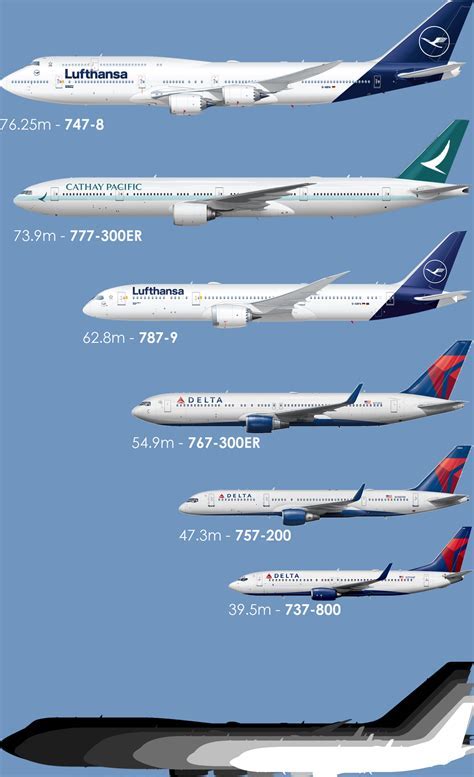
Still, more moving parts mean more potential points of failure. Airlines must now deal with new maintenance regimes and mechanical redundancies. Critics argue that the added weight and system complexity could diminish the aircraft’s expected fuel savings. Yet Boeing contends that the gains in aerodynamic performance, airport compatibility, and longer range outweigh the downsides.
To date, no major incident has been reported with the folding mechanism, but it remains a focal point of scrutiny as the aircraft inches closer to its first commercial delivery, now pushed to late 2026.
Folding Wingtips vs Traditional Winglets
A natural question arises: why didn’t Boeing opt for blended winglets or raked wingtips—proven designs that also improve aerodynamic efficiency? The answer lies in dimensional limitations. Adding even modest winglets would have pushed the aircraft’s wingspan beyond Code E limits, forcing it into Code F territory.
This is precisely the trade-off Airbus faced with the A350 and A380. The A350’s elegant blended winglets were designed just within Code E constraints, while the A380 uses less effective fence-style wingtips to remain under 80 meters. In contrast, Boeing’s folding wingtip allows the 777X to maximize wingspan during flight while reverting to a Code E footprint on the ground—a true hybrid solution not employed by any other commercial jet.
Global Impact and Market Reception
Despite its technological prowess, the 777X’s market reception has been regionally uneven. The aircraft has garnered over 550 firm orders, with Emirates and Qatar Airways accounting for the bulk. However, no U.S. airline has committed to the aircraft, citing concerns over airport fit, fleet alignment, and economic viability.
Still, the 777X’s dominance in the Middle Eastern long-haul market cannot be ignored. It promises unmatched passenger capacity, range, and fuel efficiency, all while staying within most existing airport footprints. These benefits give it a strategic edge over the Airbus A350-1000, especially on ultra-long-haul routes that demand both performance and gate versatility.
The Future of Folding Wings in Commercial Aviation
The 777X’s folding wingtips might be seen as an experiment now, but they could foreshadow a broader shift in aircraft design philosophy. As urban airports reach capacity and runway expansions become politically or economically unfeasible, the industry will increasingly need to fit more performance into less space. Folding components—whether wings, tails, or even landing gear configurations—could be the next frontier.
Boeing’s gamble on the 777X’s folding wings is more than just a clever workaround; it’s a declaration that future efficiency doesn’t have to come at the cost of compatibility. And for an industry constantly balancing innovation with infrastructure limitations, that’s a lesson likely to shape the next generation of aircraft.