Airports have quietly transformed one of the simplest travel rituals—dropping off a passenger—into a monetized micro-transaction. At London Southend Airport (SEN), the introduction of a new £8 express drop-off and pick-up charge has ignited a wave of criticism from travelers, local residents, and taxi drivers who argue that the policy feels less like convenience and more like an expensive gatekeeping mechanism.
The airport insists the new system improves traffic flow and operational efficiency. Critics, however, see it as another example of how modern airports extract revenue from nearly every corner of the passenger experience. The debate unfolding in Essex reflects a broader shift across the UK aviation industry, where drop-off charges—once rare—have become increasingly common.
For travelers arriving or departing from Southend Airport, the new rule is simple but strict: vehicles using the express lane pay £8 for up to ten minutes. Exceed that time limit and additional charges apply. Fail to pay within 24 hours and a Parking Charge Notice (PCN) may follow.
Supporters argue that the fee aligns Southend with other major British airports. Critics counter that charging nearly £1 per minute to briefly stop a car feels excessive, especially when passengers already pay substantial airfare and airport fees.
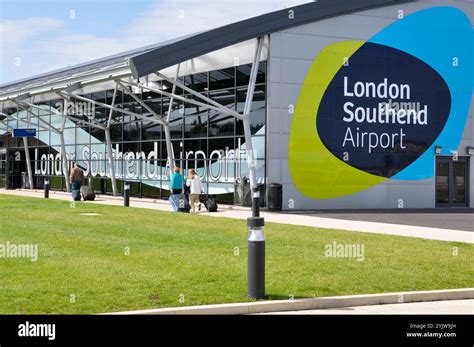
Understanding Southend Airport’s New £8 Express Drop-Off System
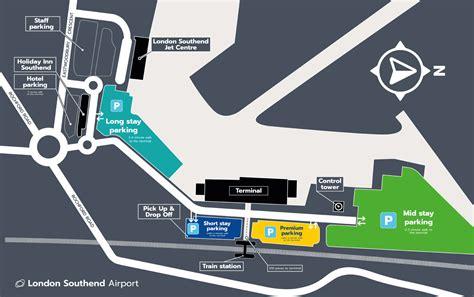
The newly introduced express pick-up and drop-off lane sits adjacent to the airport’s Short Stay car park, directly opposite the passenger terminal. This strategic placement is designed to streamline the process: drivers can pull up close to the entrance, passengers step out quickly, and vehicles depart within minutes.
Southend Airport promotes the system as “quicker, easier, and more efficient.” Unlike traditional parking barriers that require ticket machines or payment booths, the express lane uses barrierless entry and exit technology. Cameras capture vehicle license plates, and drivers pay the fee online afterward.
From a logistical perspective, this method eliminates queues caused by drivers fumbling with tickets or waiting to pay at a gate. In theory, the road outside the terminal should move faster and remain less congested.
Yet the financial element overshadows the technological upgrade for many travelers. Paying £8 for ten minutes places Southend toward the higher end of drop-off fees across the United Kingdom. While not the most expensive, it still feels steep for passengers accustomed to free curbside stops in much of the world.
Passengers who anticipate needing more time must instead park in the Short Stay car park, which has its own pricing structure. For quick drop-offs, however, the express lane is effectively the only direct option near the terminal.
Passenger Backlash and Community Frustration
The announcement of the new policy quickly ignited controversy across social media and local political circles. Residents in Southend-on-Sea and the surrounding Essex region voiced frustration at what many see as yet another airport fee targeting ordinary travelers and the drivers who help them.
One of the most vocal critics has been James Newport, a Liberal Democrat councillor and former leader of Rochford District Council. Newport criticized the charge as unfair to both residents and taxi drivers who regularly transport passengers to the airport.
He argued that the policy risks “fleecing residents and local drivers”, particularly those whose livelihoods depend on frequent airport trips. Taxi drivers, for example, may face multiple £8 charges per day while picking up arriving passengers.
Public reaction online has been equally blunt. Some travelers questioned how the fee improves the passenger experience, pointing out that many international airports still allow short curbside stops free of charge. Others accused the airport of creating a revenue stream disguised as operational improvement.
A handful of comments took a more humorous—or rebellious—tone. Online discussions included speculative tricks for avoiding the cameras or suggestions that drivers could park at nearby retail centers or fast-food restaurants before walking to the terminal.
Such ideas highlight a predictable side effect of controversial airport charges: travelers begin searching for creative ways to bypass them, sometimes shifting traffic problems into neighboring communities.
Why UK Airports Are Charging for Drop-Off Access
Southend’s decision does not exist in isolation. Across the United Kingdom, drop-off fees have become the norm rather than the exception. Nearly every major airport now charges drivers for the privilege of briefly stopping near the terminal.
Several factors explain this shift.
Airports operate as complex commercial ecosystems where non-aviation revenue—money generated outside airline operations—plays a crucial role. Parking, retail concessions, and passenger services often contribute a significant portion of overall income.
Drop-off zones are particularly attractive revenue sources because they generate high turnover with minimal infrastructure investment. Each vehicle may stay only a few minutes, yet thousands pass through daily.
Data collected by MoneySavingExpert, a consumer finance platform founded by Martin Lewis, reveals just how widespread these charges have become. Among 29 major UK airports, ten-minute drop-off fees often range between £5 and £8.50, with longer stays quickly escalating to £20 or more.
Southend’s £8 charge therefore sits within industry norms, even if passengers find the concept itself frustrating.
The Financial Reality of Running a Private Airport
Another critical factor shaping Southend Airport’s policy is its ownership structure. Unlike some larger international hubs with broader revenue streams, Southend is operated by private investors—primarily Esken Limited and Carlyle Group, a major US private equity firm.
Running an airport involves substantial fixed costs. Runway maintenance, security operations, air traffic coordination, and terminal facilities require constant funding regardless of passenger numbers. When traffic declines, those expenses remain.
Airport representatives argue that revenue diversification is essential to sustain operations and invest in infrastructure improvements.
In official statements, Southend Airport emphasized that the express lane helps fund essential services while supporting airline partners and improving passenger facilities. The airport describes the initiative as part of a broader effort to maintain an “easy, speedy, friendly” travel experience.
From a business standpoint, the logic is clear: small revenue streams—parking fees, drop-off charges, retail concessions—collectively help stabilize airport finances.
From the passenger perspective, however, each new fee adds another layer of cost to an already expensive journey.
The Pandemic’s Long Shadow Over Southend Airport
To understand why Southend Airport is aggressively pursuing additional revenue, one must examine the dramatic upheaval caused by the COVID-19 pandemic.
Like most airports worldwide, Southend experienced a catastrophic collapse in passenger traffic during 2020 and 2021. Flights vanished almost overnight as travel restrictions grounded airlines across Europe.
The consequences were severe.
In November 2021, budget airline Ryanair closed its operational base at Southend. Shortly before that, easyJet—another key carrier—had already withdrawn its services during the pandemic’s early stages.
The sudden loss of these airlines devastated the airport’s route network. Between 2013 and 2023, Southend lost 69 destinations, shrinking from a growing regional hub into a much smaller operation.
At one point in 2023, the airport operated no winter routes at all and only four seasonal summer destinations:
- Amsterdam Schiphol
- Malaga
- Faro
- Palma de Mallorca
Before the pandemic, several routes—including Alicante, Dublin, Geneva, Venice, and Jersey—each offered more than 100,000 annual seats. Alicante alone carried nearly 199,000 passengers in 2019, making it one of the airport’s most popular destinations.
The disappearance of these routes drastically reduced revenue streams, forcing airport management to rethink how the facility could survive.
Signs of Recovery in the Post-Pandemic Aviation Market
Despite the turbulence of the early 2020s, Southend Airport has begun showing tentative signs of recovery.
Passenger numbers reached approximately 720,000 travelers in 2025, marking the airport’s busiest year since 2019. The figure represents significant progress compared with the pandemic years, when traffic fell to historic lows.
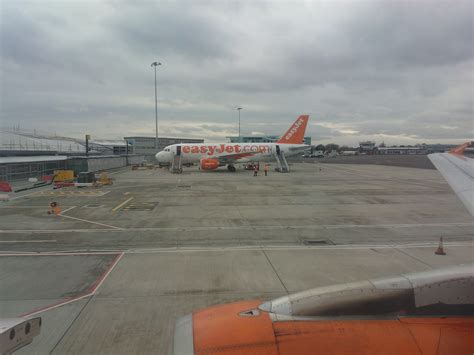
One major contributor to the rebound is easyJet’s return. In March 2025, the airline reopened a three-aircraft base at Southend, restoring several leisure routes popular with British travelers.
According to easyJet’s UK Country Manager Ali Gayward, the move supports hundreds of local jobs while reconnecting passengers across East London, Essex, and East Anglia to European destinations.
Yet the recovery remains incomplete. In 2019, Southend handled nearly two million passengers, almost three times the 2025 total. The airport still has a long road ahead before reaching its previous peak.
Financial pressures from that gap help explain why even relatively small fees—like an £8 drop-off charge—have become strategically important.
A Reputation as London’s Least Stressful Airport
Ironically, Southend Airport has built a reputation as one of the least stressful travel hubs serving London.
Passengers often praise the airport’s simplicity. Security lines tend to be shorter than at major hubs such as Heathrow or Gatwick, and travelers can frequently move from aircraft to train station in 10 to 15 minutes.
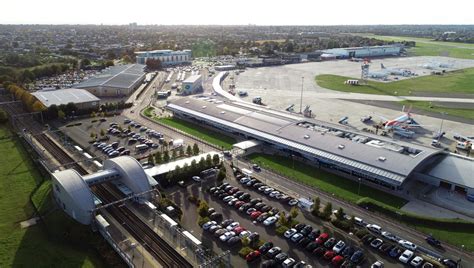
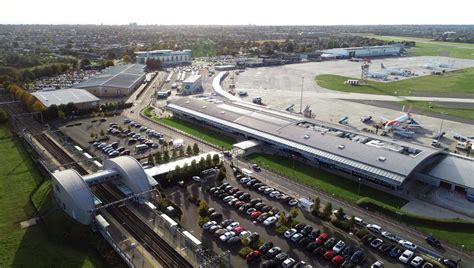
The airport’s compact layout plays a major role in this efficiency. The terminal sits directly beside a railway station connected to the Greater Anglia rail network, offering fast access to central London.
A short train ride brings passengers to Shenfield, where they can transfer to the modern Elizabeth Line—a high-capacity railway connecting key districts across London.
From there, commuters can reach Stratford in about 43 minutes or Liverpool Street Station in roughly 52 minutes, linking Southend to one of Europe’s largest metropolitan transport systems.
For travelers prioritizing convenience and speed, these connections make Southend surprisingly competitive despite its smaller scale.
The Curious Question: Is Southend Really a “London” Airport?
The airport’s branding raises an intriguing geographic puzzle. Although marketed as a London airport, Southend lies about 36 miles east of central London, within the seaside town of Southend-on-Sea in Essex.
Driving to the capital typically takes around one hour, while the train journey can approach 90 minutes depending on connections.
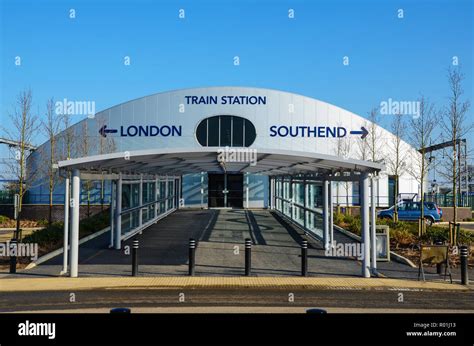
This distance places Southend in a curious category shared by other so-called London airports like Stansted and Luton, both located far beyond the city’s core boundaries. Only Heathrow and London City Airport actually sit within Greater London itself.
For marketing departments, however, the “London” label remains enormously valuable. International travelers searching for flights often prioritize airports associated with global cities, even when those airports sit dozens of miles away.
In operational terms, Southend functions more like a regional airport than a major metropolitan hub. Even during its strongest years, passenger traffic never approached the scale of Heathrow, Gatwick, or Stansted.
Still, the London branding attracts airlines and passengers who might otherwise overlook a smaller airport in Essex.
Convenience Versus Cost: The Ongoing Debate
The controversy surrounding Southend Airport’s new drop-off charge reflects a deeper tension within modern aviation.
Airports increasingly operate as commercial enterprises rather than simple transportation infrastructure. Every curbside stop, parking space, and retail corner represents potential revenue.
Passengers, meanwhile, tend to view airports as gateways rather than profit centers. When a quick goodbye at the terminal begins costing nearly £1 per minute, the experience can feel transactional rather than welcoming.
From an environmental perspective, some observers argue that such fees might produce positive outcomes. Higher drop-off costs could encourage travelers to use public transport, reducing congestion and carbon emissions around busy terminals.
Yet the effectiveness of that strategy remains uncertain. Travelers often prioritize convenience, particularly when carrying luggage or traveling with families.
For Southend Airport, the express lane may ultimately succeed if it delivers smoother traffic flow and reliable revenue during a critical recovery period. But public perception will likely remain divided.
Airports, like strange mechanical ecosystems, constantly balance efficiency, economics, and passenger psychology. A ten-minute stop at the curb might seem trivial—but in the finely tuned economics of modern aviation, even a brief pause can become a carefully priced commodity.