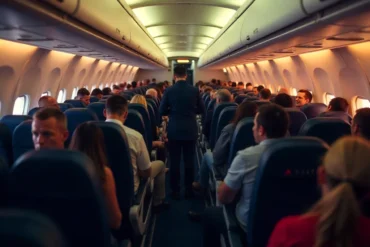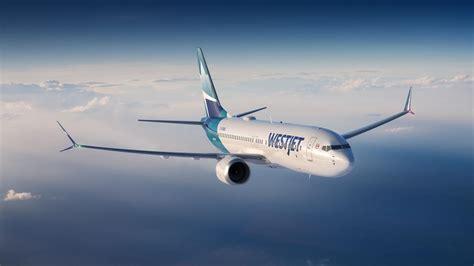
In a bold move that redefines the boundaries of passenger comfort, WestJet Airlines, a major Canadian carrier, has announced a sweeping overhaul of its seating policy—reclining seats in standard economy are being phased out. Beginning October 2025, travelers across numerous routes to the United States, Puerto Rico, and international destinations will no longer enjoy the simple luxury of leaning back their seats—unless they pay extra.
This decision affects 43 aircraft in WestJet’s fleet, specifically their Boeing 737-8 Max and 737-800 planes, which together serve 19 U.S. states and beyond. While this represents less than a third of WestJet’s narrow-body fleet, the implications reverberate far beyond the numbers.
Why Reclining Is No Longer a Given
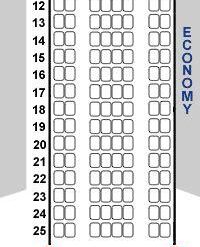
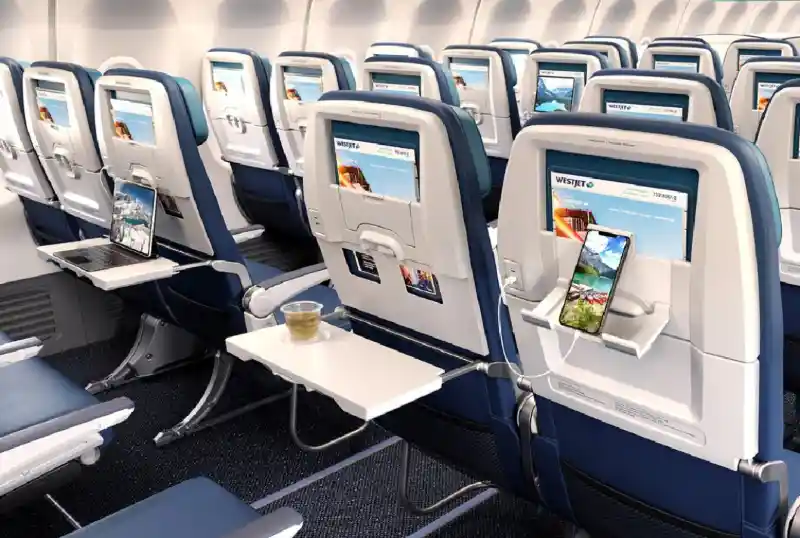
At the heart of this policy shift lies a deliberate cost-efficiency strategy. WestJet has chosen to remove recline functionality from Standard Economy seats in favor of fixed-recline alternatives. This is not simply about aesthetics or engineering minimalism—the airline is optimizing space. By replacing reclining mechanisms with fixed backs, an entire extra row of seating can be added to each plane.
This isn’t just a matter of inches. Each additional row allows for more fare-paying passengers, thereby decreasing the per-seat operating cost and helping WestJet retain its market position in the budget travel space.
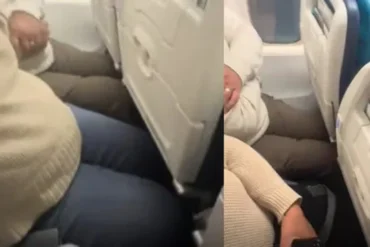
It’s a profit-driven recalibration, masked under the pretense of passenger feedback. According to WestJet, internal testing showed that about 50% of respondents preferred fixed seats—claiming they were tired of passengers reclining into their personal space. But critics are quick to point out that few would willingly give up comfort unless prompted by loaded questions or limited options.
Three New Seating Tiers: A Fragmented Experience
The new WestJet cabin configuration introduces three tiers:
- Premium
- Extended Comfort
- Standard Economy
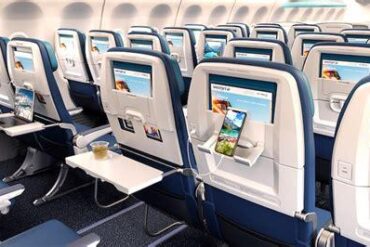
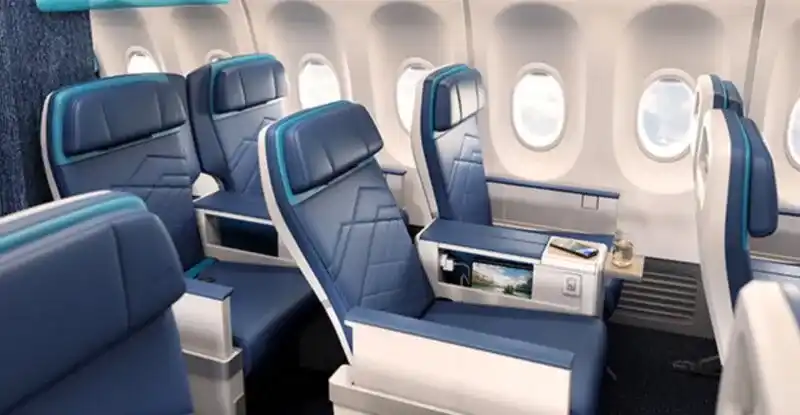
Only passengers in Premium and Extended Comfort will enjoy the recline feature. In addition, Premium passengers will benefit from:
- Extra legroom
- Four-way adjustable headrests
- In-seat charging ports
- Built-in snack trays
- A privacy partition to delineate space
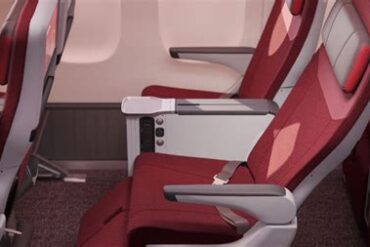
Meanwhile, Standard Economy flyers get none of these perks. Instead, they are offered fixed-recline chairs with upgraded cushioning and modestly adjustable headrests. But make no mistake—the downgrade in comfort is palpable, especially on longer flights.
The Bigger Picture: A Global Trend of Downsizing Comfort
WestJet’s policy is not occurring in isolation. It forms part of a growing aviation industry trend, particularly among North American budget and legacy carriers, where amenities once considered standard are now being unbundled and sold as add-ons.
For instance:
- Southwest Airlines recently introduced a charge for first checked bags.
- The airline also began transitioning away from open seating, previously one of its defining traits.
- United and American Airlines have downsized legroom in standard economy over the past five years.
This steady erosion of in-flight comfort reflects a profit-first philosophy, where every inch of aircraft real estate is monetized and operational margins are maximized.
Passenger Backlash and Social Sentiment
Unsurprisingly, passenger response has been mixed. Frequent flyers and business travelers have voiced frustration online, pointing to a “death by a thousand cuts” approach that steadily removes comfort while masking it behind buzzwords like “optimization” and “choice.”
Travel forums and social media erupted with commentary:
- “What’s next—charging for seatbelts?” one X (formerly Twitter) user quipped.
- Others compared the change to low-cost carriers in Europe and Asia, where legroom, carry-on baggage, and even lavatory access have been monetized.
Though WestJet insists that the move will help “keep fares low,” many travelers view this as a disingenuous justification.
Implications for the U.S. Travel Market
As WestJet operates across 19 U.S. states, the new policy will affect a substantial number of transborder routes, particularly to cities with high tourist volume such as:
- Orlando, FL
- Las Vegas, NV
- Los Angeles, CA
- New York, NY
For American travelers flying with WestJet—either directly or via codeshare agreements—the cost of comfort is now more explicit than ever. And with fewer U.S. carriers offering true full-service economy cabins, this change could spark further standardization of discomfort, as competitors follow suit to remain cost-competitive.
The Economics of Fixed vs. Reclining Seats
To understand this shift more deeply, one must consider the operational cost differences between reclining and fixed seats:
- Weight Savings: Reclining mechanisms add weight—up to 5-8 lbs per seat. Across hundreds of seats, this can impact fuel efficiency.
- Maintenance Costs: Reclining seats have moving parts that break, jam, or wear down. Fixed seats lower maintenance requirements.
- Installation Costs: Fixed seats are cheaper to install and faster to clean, contributing to lower aircraft turnaround times.
In effect, the airline saves on multiple fronts, all while presenting the change as consumer-friendly. Yet, the reality is that passenger sacrifice enables operational gain.
Regulatory Silence and the Role of Consumer Protection
While Canada and the U.S. have aviation consumer protection frameworks, there’s little regulation around minimum seat pitch, width, or reclining ability. The FAA in the United States has acknowledged concerns about shrinking seat sizes but has not mandated recline standards.
This regulatory vacuum allows airlines to pursue cost-saving measures with minimal oversight. And as long as the market tolerates these changes, there is little incentive for carriers to reverse course.
What This Means for the Future of Air Travel
WestJet’s seating update is emblematic of a wider shift where basic comfort is commodified, and tiered pricing extends beyond baggage and boarding order to the seats themselves. We anticipate that:
- Other airlines will adopt fixed seats, especially for short- and mid-haul flights.
- Seat recline could become a luxury amenity, much like free meals once did.
- Passenger pushback may trigger loyalty changes, with travelers gravitating toward carriers offering transparency and fairness.
But unless a new disruptor airline emerges with a customer-first model—or regulators step in—the trajectory is clear. Flying is being stripped to its most utilitarian form, with every degree of comfort now up for sale.
Navigating the New Normal: What Travelers Should Do
As this policy takes effect, flyers should consider a few proactive steps:
- Check seat configuration before booking. Tools like SeatGuru can indicate recline availability.
- Budget for comfort. If reclining is important, prepare to pay for Premium or Extended Comfort.
- Voice feedback. Direct communication with airlines—via surveys, reviews, and social media—can influence future changes.
Ultimately, this change forces a recalibration of traveler expectations. The very notion of what constitutes “economy class” is being rewritten. And WestJet, once known for its friendly image, may now be remembered as the airline that put a price tag on leaning back.
Conclusion: Comfort Is No Longer Standard
The story of WestJet’s recline-fee rollout is not merely about airline policy—it’s a symbol of a broader commodification of the flying experience. What was once standard is now premium. What was once included is now an upsell. And what passengers once took for granted is now calculated in dollars and cents.
Whether this gamble will pay off in long-term brand loyalty or customer erosion remains to be seen. But for now, one thing is clear: if you want to lean back, you’ll have to lean in—to your wallet.