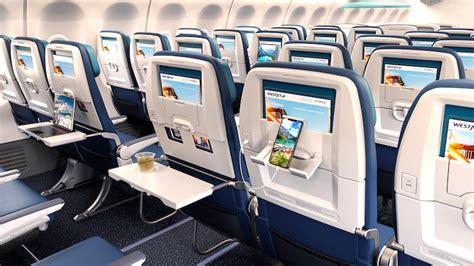
WestJet’s ambitious attempt to reshape its short- and medium-haul flying experience has ended in a decisive retreat, underscoring how quickly passenger sentiment can derail even carefully modeled airline strategies. The Canadian carrier has confirmed it will abandon its revised economy cabin layout for the Boeing 737-800 and 737 MAX fleets, reversing a program that sparked widespread criticism and reputational damage. What was pitched as a modernization effort has instead become a case study in the limits of cost-driven cabin densification.
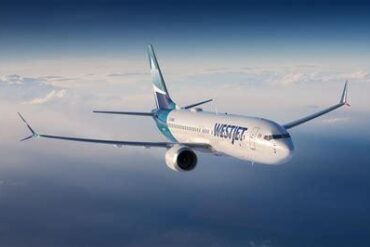
The reconfiguration program was introduced in late 2025 as WestJet sought to harmonize its narrowbody fleet and extract additional revenue from premium seating. All-economy Boeing 737 aircraft, previously configured with 189 seats, were to be converted into a two-class layout featuring 12 business class seats and 168 economy seats, totaling 180 seats. This meant squeezing an extra row of economy seating beyond WestJet’s long-standing 174-seat standard configuration, a change that would soon prove contentious.
Operationally, the new layout relied on a sharp reduction in economy seat pitch. While WestJet’s traditional 174-seat configuration offers a consistent 30 inches of legroom, the redesigned cabins dropped most economy seats to 29 inches, with some rows compressed further to 28 inches. The airline also removed seat recline across most of the cabin, reserving it only for 36 extra-legroom seats sold at a surcharge. On paper, the shift promised higher efficiency. In practice, it triggered a fierce public reaction.
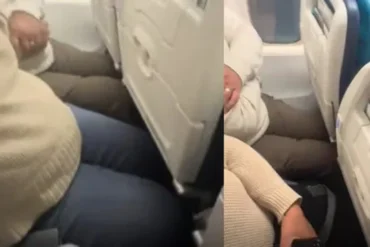
The backlash intensified when passengers began documenting their onboard experience on social media. A viral TikTok video showing travelers struggling to move their legs in the tightly packed cabin quickly spread across platforms, transforming a technical seating decision into a public relations crisis. Particularly damaging was the revelation that some affected flights were nearly four hours long, including leisure routes to the Caribbean, where comfort expectations are notably higher. Many passengers said they were unaware they would be flying on aircraft with the new configuration until boarding.
WestJet Halts and Reverses the 737 Reconfiguration Program
Facing mounting criticism, WestJet initially paused the rollout of the new layout. At that point, 22 aircraft had already entered service with the 180-seat configuration, while another 21 jets were awaiting modification. The pause soon evolved into a full reversal. According to reporting confirmed by the airline, no additional aircraft will receive the dense layout, and the planes already reconfigured will be sent back for another retrofit.
Instead, WestJet will standardize these aircraft to the 174-seat layout, restoring the additional legroom while retaining newer seat models. This decision carries significant financial implications, as it requires undoing completed modifications and absorbing lost efficiency gains. However, executives appear to have concluded that the long-term cost of brand erosion outweighed the short-term benefits of higher seat density.
Why the Economy Cabin Sparked Such Intense Opposition
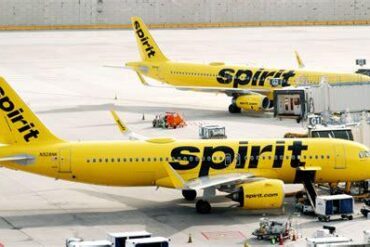
The controversy did not stem from seat density alone but from a mismatch between WestJet’s brand positioning and the passenger experience delivered by the new cabin. While 28–29 inches of pitch is not unprecedented in North America, it is typically associated with ultra-low-cost carriers such as Spirit Airlines. WestJet, by contrast, has long marketed itself as a hybrid airline, offering a balance between affordability and comfort.
The removal of seat recline further amplified dissatisfaction. For many travelers, recline is seen as a basic expectation rather than a premium feature. Its absence, combined with limited legroom, created the perception that WestJet was quietly shifting toward a low-cost model without clearly signaling that change to customers.
Brand Identity and Strategic Consequences for WestJet
WestJet’s narrowbody fleet plays a crucial role in feeding its long-haul network and serving leisure markets where comfort influences repeat bookings. Unlike its Boeing 787 Dreamliners, which feature lie-flat business class seats and a distinct premium economy cabin, the 737 fleet must appeal to a broad mix of travelers. By pushing economy seating beyond what its core customers considered acceptable, the airline risked undermining loyalty at a time of intense competition.
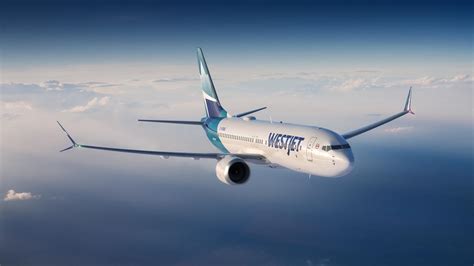
Ultimately, the decision to revert reflects a strategic recalibration. Restoring the 174-seat layout allows WestJet to preserve its hybrid identity while still introducing updated seating materials and cabin finishes. The episode illustrates a broader lesson for the airline industry: efficiency gains achieved at the expense of perceived comfort can quickly unravel when passengers feel misled. For WestJet, the rollback is not just a technical correction, but a reaffirmation of what its customers expect the brand to represent.