Spirit Airlines is making a decisive shift in its restructuring strategy, backtracking on its plan to furlough up to 365 pilots during the first quarter of 2026. The airline will also dramatically reduce the number of captains being downgraded to first officers—from an originally planned 170 to just 25. This sudden realignment signals that the carrier’s earlier financial assumptions have shifted, according to the Air Line Pilots Association (ALPA), which noted that “the business case supporting large-scale furloughs simply did not align with current data.”
Spirit’s operational future has been closely tied to its Chapter 11 bankruptcy proceedings. Yet despite mounting losses and network cuts, the carrier’s newest announcement offers a rare glimmer of stability for its workforce.
Chapter 11 Restructuring Takes A New Turn
Spirit filed for Chapter 11 protection twice in less than a year—first in November 2024, then once again in August 2025—after reporting losses exceeding $800 million. During this period, the airline remained operational but implemented drastic cost-cutting measures:
- Furloughing approximately 600 pilots
- Negotiating an 8% pilot pay reduction and suspended retirement contributions
- Eliminating 150 salaried positions
- Halting 15 routes across five airports
- Pausing and deferring planned aircraft deliveries
Fleet Cuts Amplify Market Turbulence
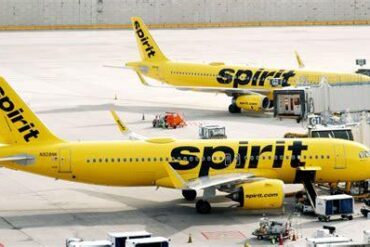
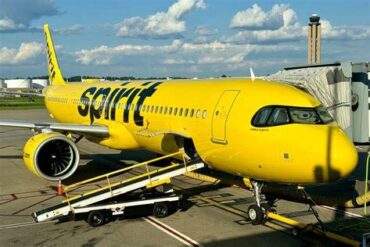
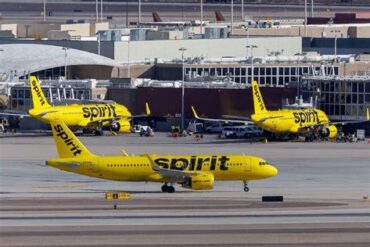
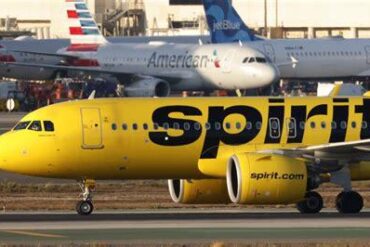
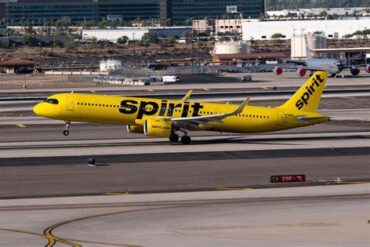
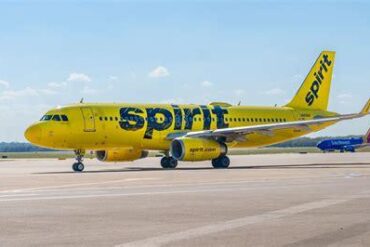
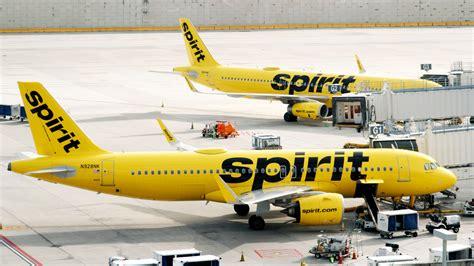
To stay afloat through bankruptcy restructuring, Spirit has slashed its fleet size nearly in half. 132 aircraft remain active, with dozens more either placed into storage, sent for early retirement, or returned to lessors. A court approval request is pending to cancel leases on over 80 Airbus A320neo and A320ceo jets.
This move challenges traditional aviation economics. Despite an average aircraft age of under three years, the industry’s escalating demand for engines and components—in large part due to the Pratt & Whitney GTF engine grounding crisis—has increased the likelihood that some Spirit aircraft may never fly again.
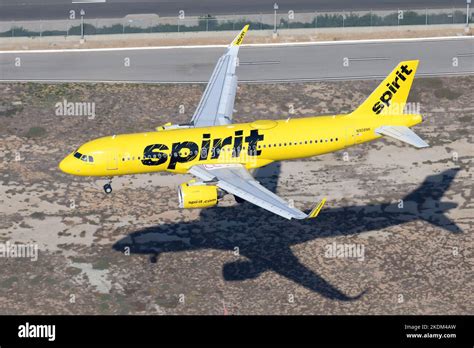
Lessors stand to profit more by scrapping aircraft for high-value parts rather than refurbishing and re-leasing them. In today’s snarled supply chain environment, engines and avionics can be worth more than the jets they power.
Why The Sudden Pilot Workforce Reprieve?
Spirit has yet to publicly clarify what changed in its forecast. However, industry observers point to:
- Updated demand projections showing more resilient travel bookings
- Route restructuring stabilizing operational needs
- Reduced aircraft deliveries slowing pilot surplus
The realignment indicates that the airline’s survival strategy has entered a new phase—one focused on operational continuity, not aggressive cuts.
What This Means For Spirit’s Future
The airline still faces enormous headwinds: weakened brand perception, elevated operating costs, intense ultra-low-cost carrier competition, and a network much smaller than just two years ago. Yet preserving pilot staffing protects Spirit’s ability to ramp up again when conditions improve.
This course reversal does not erase financial challenges, but it signals a more cautious, data-driven path forward—one where the airline can adjust without further weakening workforce morale or future growth potential.
Spirit Airlines remains in a precarious position—but at least for now, the pilots who keep the airline flying will remain in the cockpit, not on the sidelines.