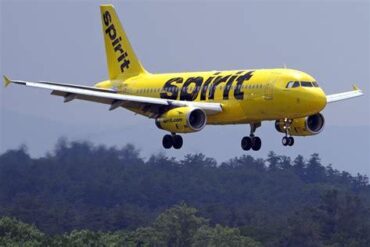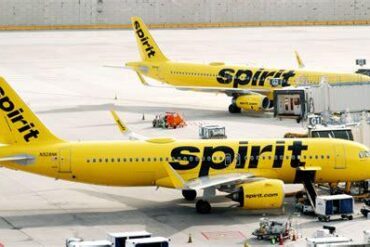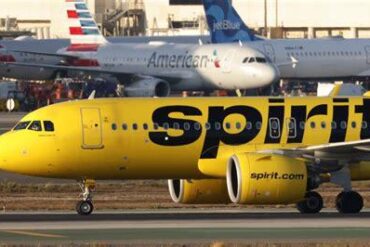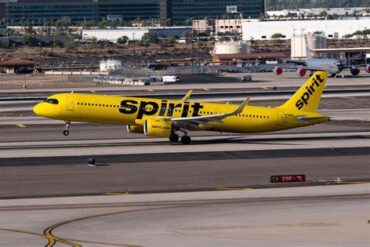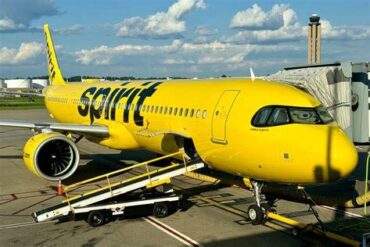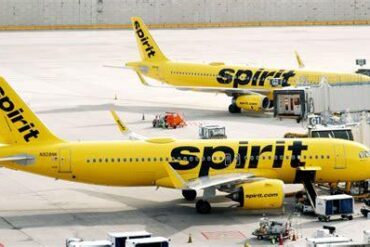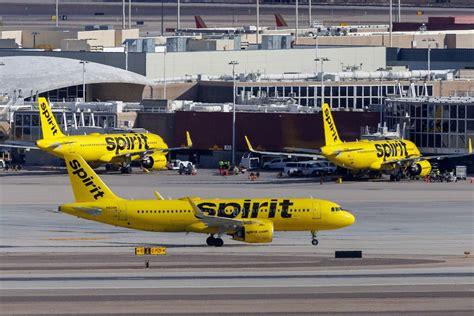
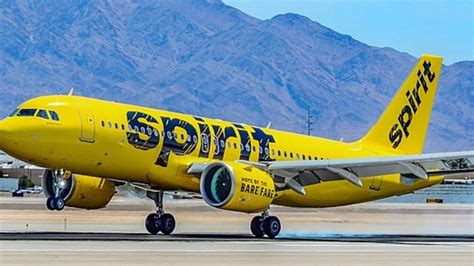
Spirit Airlines, long associated with ultra-low-cost travel and bright yellow aircraft, has initiated a bold transformation as it emerges from bankruptcy protection. In a definitive move to reinvent its identity, the Florida-based carrier is shifting its focus from budget-conscious flyers to higher-income, premium-seeking travelers, signaling a profound strategic pivot aimed at securing long-term profitability and market relevance.
The company’s emergence from Chapter 11 bankruptcy after four months comes at a time of intense change in the aviation industry. Once known for packing aircraft with extra seats and charging fees for every amenity, Spirit now positions itself to redefine value in air travel by blending affordability with enhanced service offerings.
A Strategic Shift Toward Premium Value
Spirit Airlines’ decision to reposition itself as a premium carrier is not a cosmetic adjustment; it is a fundamental overhaul of its operating philosophy. This strategic shift aims to tap into the growing demand for premium travel experiences, driven largely by upper-income demographics who are less sensitive to inflation and more inclined toward comfort, reliability, and status.
This move reflects a stark departure from Spirit’s traditional model, which emphasized keeping operational costs low and maximizing passenger volume. According to company projections, the rebranding is expected to yield a 13% increase in revenue per passenger, a notable figure that underscores the economic rationale behind the pivot.
The Financial Rebirth: From Insolvency to Opportunity
After years of losses—culminating in a staggering $1.2 billion net loss in 2023—Spirit filed for Chapter 11 bankruptcy in November. The causes were multifaceted: failed merger attempts, burdensome debt, and an inflexible low-cost model that could not adapt to changing consumer preferences.
However, Spirit’s restructuring has drastically reshaped its financial architecture. Through debt-for-equity swaps, the airline reduced its liabilities by $795 million, and it secured an additional $350 million in equity investments from existing stakeholders. These measures have significantly improved the carrier’s liquidity and debt profile, providing a more stable foundation upon which to build its new business model.
Redefining Customer Experience and Brand Identity
Central to Spirit’s transformation is a comprehensive overhaul of its customer engagement model. Plans are in motion to redesign the loyalty program, a move aimed at attracting frequent fliers who traditionally align with full-service carriers. Additionally, the airline is actively pursuing strategic alliances with other airlines, which could open up expanded route access and mutual code-sharing benefits.
While the airline has not revealed the full scope of its service enhancements, early indicators point to upgrades in in-flight comfort, customer service, and tech-enabled travel conveniences. Spirit’s leadership insists that while the fares will remain competitive, the new offering will be framed around “high-value travel” rather than low-cost basics.
Leadership Continuity and Cultural Transition
CEO Ted Christie remains at the helm of the company, signaling continuity of vision even as the airline undergoes seismic changes. Christie’s leadership throughout the bankruptcy proceedings and into the recovery phase has been central to maintaining investor confidence.
“Today, we’re moving forward with our strategy to redefine low-fare travel with our new, high-value travel options,” Christie stated. This vision is expected to permeate across departments, requiring a cultural shift from cost-minimization to experience-maximization—a complex transformation that involves not only operational changes but mindset realignment at all organizational levels.

Labor Relations and Union Tensions
Not everyone within the company is aligned with the new direction. The Spirit Airlines pilot union has voiced concerns about the airline’s strategy, emphasizing the need for a clear and realistic roadmap to profitability that does not compromise employee welfare.
In light of recent furloughs affecting hundreds of pilots, the union has demanded transparency and credibility in future financial planning. Labor relations remain a potential friction point in Spirit’s path forward, particularly if cost-cutting continues to target workforce-related expenses.
A New Market Reality: Learning from the Pandemic’s Disruption
Spirit’s past success was rooted in ultra-efficiency. Between 2010 and 2019, the airline boasted double-digit operating margins, a feat unmatched by many legacy carriers. However, the COVID-19 pandemic reshaped the landscape.
Consumer behaviors shifted dramatically, with middle- and upper-income travelers leading the recovery in demand. These segments increasingly favor carriers offering flexible services, premium cabins, and elite status benefits—features that Spirit previously neglected.
Inflationary pressures further eroded the lower-income traveler base, intensifying the need for Spirit to pivot upmarket. The airline’s revamped strategy is thus not merely opportunistic but an adaptive response to systemic industry change.
Competition and Strategic Rejection of Frontier Merger
In a noteworthy turn, Spirit rejected a $2.16 billion buyout offer from Frontier Group, a move that indicates confidence in its independent restructuring plan. The airline argued that the Frontier bid was less beneficial to shareholders compared to the outcomes projected from its new premium-focused strategy.
This rejection marks a significant divergence from the industry’s recent consolidation trend and places Spirit in a position to forge a unique identity in a highly competitive market.
Stock Market and Capital Strategy
While Spirit’s newly issued shares are now trading in the over-the-counter (OTC) marketplace, the company has expressed intentions to relist on a major stock exchange as soon as it is “reasonably practicable.”
This step is pivotal not only for investor relations but also for signaling financial health to the broader market. A successful relisting would validate Spirit’s turnaround and further strengthen its capital access for future investments.
Brand Challenges and Consumer Perception
Despite structural improvements, Spirit must confront longstanding negative brand perceptions. Many consumers associate the airline with hidden fees, cramped seating, and customer service shortfalls. Rebranding to appeal to affluent travelers will require significant marketing investments, service consistency, and tangible improvements that overcome legacy stigma.
Moreover, Spirit must balance its new image without alienating its remaining core of price-sensitive customers, a segment that could still provide off-peak revenue when capacity allows.
The Road Ahead: Execution Over Ambition
Spirit Airlines stands at a pivotal juncture. Emerging from bankruptcy with a leaner balance sheet, a clearer strategic focus, and a renewed leadership mandate, the airline is poised to compete in a new tier of the market. But success will hinge on the execution of its premium pivot.
Key areas to watch include:
- Service innovation and consistency
- Labor relations and internal morale
- Investor response and stock market reentry
- Strategic alliances and loyalty ecosystem development
If these elements align, Spirit could emerge as a compelling case study in airline reinvention—a once low-cost disruptor evolving into a premium value challenger.
The transformation of Spirit Airlines is not just about new seats or upgraded snacks. It is a bold reimagining of what a once low-cost airline can become in a post-pandemic world shaped by evolving consumer values and competitive economics.