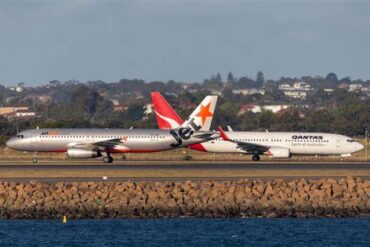
Australia’s aviation giant Qantas is preparing to close a significant chapter in its Asian strategy by selling its remaining stake in Jetstar Japan, setting the stage for a complete rebrand of the carrier by 2026. The decision reflects a broader recalibration within the Qantas Group, as it redirects capital toward fleet renewal and core long-haul markets while stepping back from minority investments that no longer align with its strategic priorities.
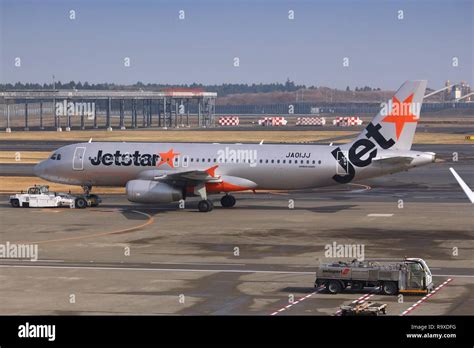
Jetstar Japan has been a familiar presence in the country’s domestic skies since its launch in 2012, operating primarily from Tokyo Narita Airport and focusing on dense, price-sensitive leisure routes. The airline was established as a joint venture blending Australian low-cost expertise with Japanese operational discipline, an experiment that has endured far longer than many observers initially expected in a market historically resistant to budget carriers.
Under the new agreement, Qantas will sell its approximately 33% stake to a consortium of Japanese investors, fully transferring ownership to local hands by July 2026. While financial details remain undisclosed, Qantas has confirmed the transaction will not materially affect its earnings, underlining that the move is strategic rather than reactive.
The most visible outcome of the sale will be the airline’s abandonment of the Jetstar brand, a change that symbolically closes Qantas’ direct involvement in Japan’s domestic aviation sector after more than a decade. Flights will continue uninterrupted during the transition, but branding, marketing, and customer-facing elements will evolve steadily through 2027, pending regulatory approval.
Qantas’ Strategic Exit Signals a Shift in Capital Priorities
Qantas’ final exit from Jetstar Japan fits neatly into a wider effort to simplify its portfolio. In recent years, the group has emphasized capital discipline, focusing investment on renewing its mainline fleet, upgrading digital platforms, and strengthening its Australian and long-haul international networks. Minority stakes in overseas ventures, even stable ones, increasingly sit outside that framework.
Jetstar Japan has always been a non-controlling investment for Qantas. While operationally sound, it offered limited strategic leverage compared with wholly owned operations. Selling the stake allows Qantas to unlock capital while still maintaining commercial links in Japan, including codeshare agreements that preserve network connectivity without ownership risk.
The move also follows the closure of Jetstar Asia in Singapore in mid-2025, reinforcing the idea that the Jetstar brand is no longer expanding internationally in the way it once did. Rather than a retreat from Asia altogether, the shift reflects a more selective approach to where Qantas deploys its resources.
What the Rebrand Means for Passengers and the Market
For travelers, the immediate impact of the ownership change will be minimal. Aircraft, routes, staffing, and operational procedures are expected to remain consistent throughout the transition period. The airline will continue operating its fleet of Airbus A320 aircraft, serving domestic Japanese routes and short-haul regional destinations.
Over the longer term, however, the rebrand opens the door to subtle but meaningful changes. Branding in Japan carries unique cultural weight, and a locally owned carrier may choose to reshape its identity to better align with domestic expectations around service, reliability, and customer trust. The challenge will be to do so without eroding the cost discipline that underpins the low-cost model.
The new brand name is scheduled to be announced in October 2026, giving management time to craft an identity that signals continuity while clearly marking a new chapter.

Why Jetstar Japan Succeeded Where Others Struggled
Japan’s low-cost airline sector has long been a difficult environment, littered with failed startups and short-lived experiments. High airport fees, intense competition from efficient rail networks, and demanding consumer expectations have historically squeezed margins.
Against that backdrop, Jetstar Japan’s survival is notable. The airline carved out a niche by targeting leisure travelers rather than chasing corporate demand dominated by full-service carriers. Dense domestic routes, high aircraft utilization, and a tightly controlled cost base allowed it to remain competitive even as fuel prices and labor costs fluctuated.
Its ownership structure also played a role. Backed by Japanese partners familiar with local regulations and consumer behavior, Jetstar Japan avoided many of the missteps that plagued foreign-led ventures. That foundation makes the transition to full local ownership less disruptive than it might otherwise be.
Operational Continuity in a Changing Ownership Landscape
Operationally, Jetstar Japan has long functioned with a high degree of independence. Like other airlines in the Jetstar network, it operates under its own air operator’s certificate and local regulatory framework. Shared elements across the group have focused on cost philosophy and digital systems, rather than centralized control.
Ground operations in Japan rely heavily on local partners experienced with Narita’s constraints and domestic passenger flows. This outsourcing model supports rapid aircraft turnaround while keeping fixed costs low, a critical advantage in the low-cost segment.
The ownership change raises questions about whether the airline will adjust its service model under full Japanese control. While some localization is likely, any significant deviation from a low-cost structure would risk undermining its competitive position against rivals such as Peach Aviation and Spring Japan.

A Broader Signal for Foreign Airline Partnerships in Japan
Beyond Jetstar Japan itself, Qantas’ exit reflects a broader trend within Japan’s aviation industry. Foreign airline partnerships that once promised rapid market entry are increasingly giving way to domestic ownership and control. Regulatory familiarity, brand trust, and long-term commitment carry particular weight in Japan, often favoring local stakeholders over overseas investors.
For Qantas, the decision represents a pragmatic acknowledgment of where it can generate the strongest returns. For Jetstar Japan, the transition offers an opportunity to redefine itself with greater autonomy while building on a decade of operational experience.
As the low-cost sector in Japan continues to mature, the airline’s next chapter will be shaped less by foreign influence and more by domestic strategic priorities. If it can maintain cost discipline while refining its brand for local audiences, the post-Jetstar era may prove to be not an ending, but a recalibration poised for steady, sustainable growth.