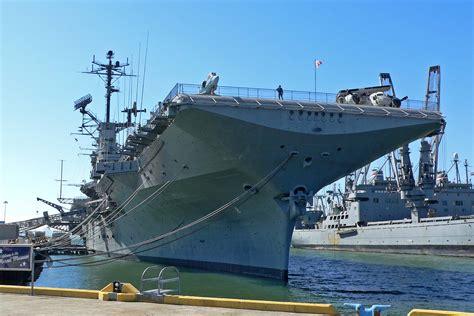
The future of the USS Hornet Museum in Alameda is suddenly uncertain, and saving one of America’s most storied aircraft carriers may demand an expensive decision no matter which path is chosen. After nearly three decades moored at Alameda Point, the legendary World War II vessel faces growing operational pressure, tighter safety restrictions, and a financial crossroads that could reshape its future in the San Francisco Bay Area.
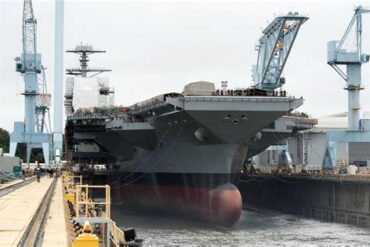
The USS Hornet is not just another retired naval vessel sitting quietly at a pier. Stretching nearly 900 feet long, the Essex-class aircraft carrier served as a symbol of American naval aviation power before its decommissioning in 1970. Its legacy extends beyond wartime operations. The ship famously recovered the Apollo 11 astronauts after humanity’s first moon landing, securing a permanent place in both military and space exploration history.
Yet history alone does not pay maintenance bills, satisfy fire codes, or sustain modern museum operations.
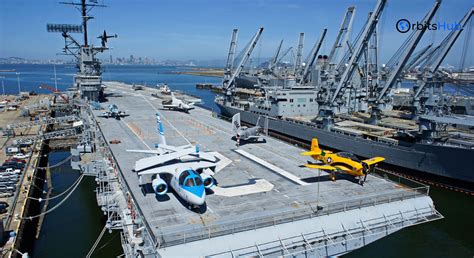
For years, the Hornet has balanced two identities. It operates as a respected floating museum while simultaneously functioning as one of Northern California’s most unusual event venues. Visitors come not only for naval exhibits, restored compartments, and aviation history, but also for conventions, corporate gatherings, themed experiences, and large-scale entertainment events hosted aboard its massive decks.
After decades of coexistence, that second identity has become a point of conflict.
Safety Restrictions Are Reshaping the USS Hornet’s Business Model
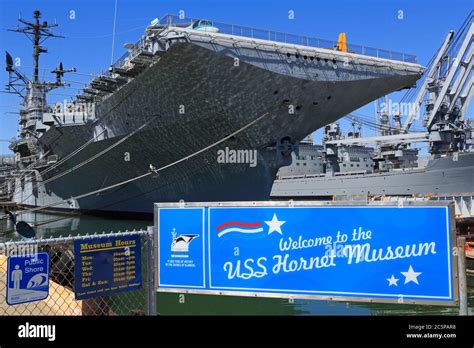
A major turning point emerged when the City of Alameda imposed new occupancy limitations on the vessel. The revised cap restricts the ship to only 660 people onboard at one time, including staff members.
For a carrier originally built to support approximately 3,500 sailors, the number appears strikingly small.
The reasoning, however, stems from a serious safety concern. Emergency evacuation infrastructure aboard the ship no longer satisfies expectations for handling large modern crowds. Existing gangways connecting the vessel to the pier, combined with narrow internal stair systems between decks, are viewed as insufficient for rapid evacuation during emergencies such as fires.
The restrictions immediately affected the Hornet’s event ecosystem. Large gatherings became harder to host, and some major productions were forced to cancel entirely. That matters because special events are not peripheral revenue generators for the museum — they are central to its economic survival.
The challenge facing the Hornet is not unique. Historic ship museums nationwide regularly confront complicated compliance issues tied to municipal fire regulations, emergency access requirements, and evolving public safety standards.
The contrast with New York’s USS Intrepid Museum illustrates the problem clearly. The Intrepid accommodates enormous visitor traffic — approximately one million guests annually — partly because it benefits from modernized access systems, including multiple broad gangways specifically engineered for heavy visitor movement.
Infrastructure makes a difference.
Without comparable upgrades, the Hornet remains constrained by rules that directly limit attendance, ticket sales, and event capacity.
Why San Francisco Is Emerging as the USS Hornet’s Potential New Home
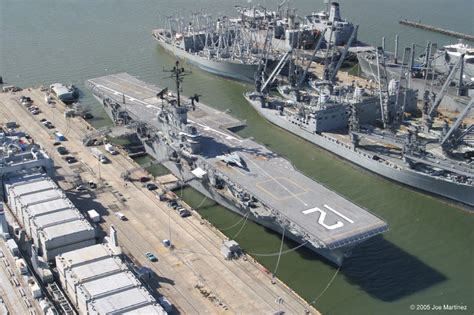
Facing limited visitor growth in Alameda, the Hornet’s foundation is considering a bold alternative: relocation to San Francisco’s waterfront.
The logic behind the proposal is straightforward.
San Francisco offers substantially heavier tourism traffic, denser pedestrian activity, stronger destination visibility, and a waterfront ecosystem already associated with historic attractions. A more prominent location could dramatically expand casual visitation while creating stronger opportunities for large-scale events.
At present, the museum attracts roughly 100,000 visitors annually. Supporters of relocation believe those numbers could increase significantly in a higher-traffic environment.
A new berthing location could also solve the accessibility issue more effectively than retrofitting existing infrastructure in Alameda. Purpose-built gangways, upgraded visitor circulation systems, and modern event accommodations could help remove operational limitations currently suppressing revenue potential.
But relocation is not simply a matter of untethering the carrier and towing it across the bay.
Moving a vessel of this scale involves extensive technical planning, regulatory approval, maritime logistics, and major financial commitments.
The Hidden Multi-Million Dollar Cost of Saving a Historic Aircraft Carrier
Whether the USS Hornet remains in Alameda or relocates elsewhere, substantial spending appears unavoidable.
The museum reportedly needs roughly $250,000 merely to address immediate municipal safety requirements. Much of that funding would support access improvements, including installation of an additional gangway capable of supporting larger occupancy loads.
That figure, however, represents only the short-term checklist.
Maintaining an aging naval vessel is extraordinarily expensive. Corrosion control, structural preservation, mechanical systems upkeep, visitor infrastructure, insurance, regulatory compliance, and restoration projects collectively drive annual expenses into the millions.
Financial records underscore the pressure. The foundation reportedly closed its fiscal year ending in 2024 with an operating deficit approaching $865,000.
Revenue has improved since then, surpassing $3 million during 2025, offering a more optimistic outlook. Still, the organization remains heavily dependent on event-generated income. Nearly one-third of museum revenue now comes from hosted gatherings and commercial activities aboard the ship.
That dependency explains why occupancy restrictions carry consequences far beyond inconvenience.
Reduced crowd capacity directly impacts the financial engine helping keep the carrier afloat.
Leaving Alameda Could Be More Expensive Than Staying
Although San Francisco presents enticing growth opportunities, relocation introduces its own formidable financial barriers.
Historic vessels entering the Port of San Francisco face a series of required expenditures that extend well beyond transportation costs. Feasibility studies, berthing development, waterfront preparations, engineering evaluations, and operational planning all carry substantial price tags.
Then comes the move itself.
Transporting a nearly 900-foot retired aircraft carrier demands specialized tug operations, detailed navigation planning, maritime coordination, and authorization from the U.S. Coast Guard. Every stage requires professional oversight and careful execution.
The Hornet foundation plans to begin fundraising efforts to determine whether the economics genuinely support a move.
That question sits at the center of the ship’s uncertain future.
Can a relocation unlock enough new visitors, events, and revenue to justify the immense upfront investment? Or would upgrading and remaining in Alameda ultimately prove the more sustainable option?
For the USS Hornet, the answer is about more than geography. It is about whether one of America’s most recognizable historic warships can continue operating as a living monument without being overwhelmed by the modern realities of safety regulation, urban economics, and preservation costs.