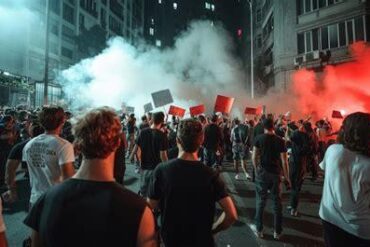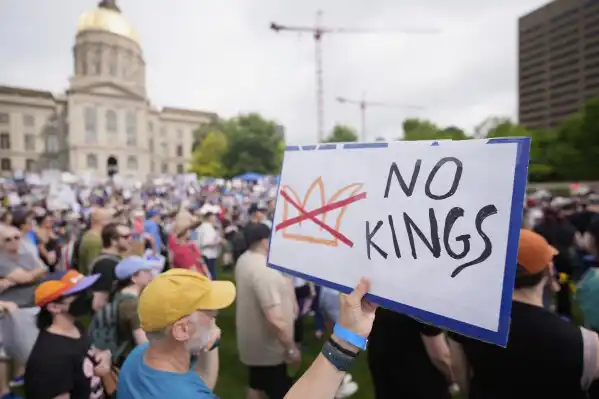
On June 14, 2025, the United States witnessed an unprecedented wave of protests known as the ‘No Kings’ movement, which spread across over 2,000 cities, including Grand Rapids, Michigan, New York City, Los Angeles, Chicago, Seattle, Houston, Phoenix, and Colorado. The protests, initially sparked by political unrest, quickly turned into a nationwide phenomenon that disrupted not only the political landscape but also the daily life of millions of travelers. What began as a peaceful expression of civic action soon escalated into chaos, affecting transportation, tourism, and overall mobility across the country.
The Rise of the ‘No Kings’ Protest: A Nationwide Surge
The ‘No Kings’ protests, which swept through major U.S. cities, are a direct response to perceived political power imbalances and widespread dissatisfaction with leadership. While protests are common, this one has been unique not only in its scope but in its immediate effect on American infrastructure and daily life. Cities that are usually hubs for tourists and business travelers, such as New York City, Los Angeles, and Chicago, were soon facing massive disruptions. These protests were not just limited to street marches, but also resulted in significant rerouting of traffic, flight delays, and temporary closures of tourist attractions.
Grand Rapids, Michigan: The Unexpected Protest Hub
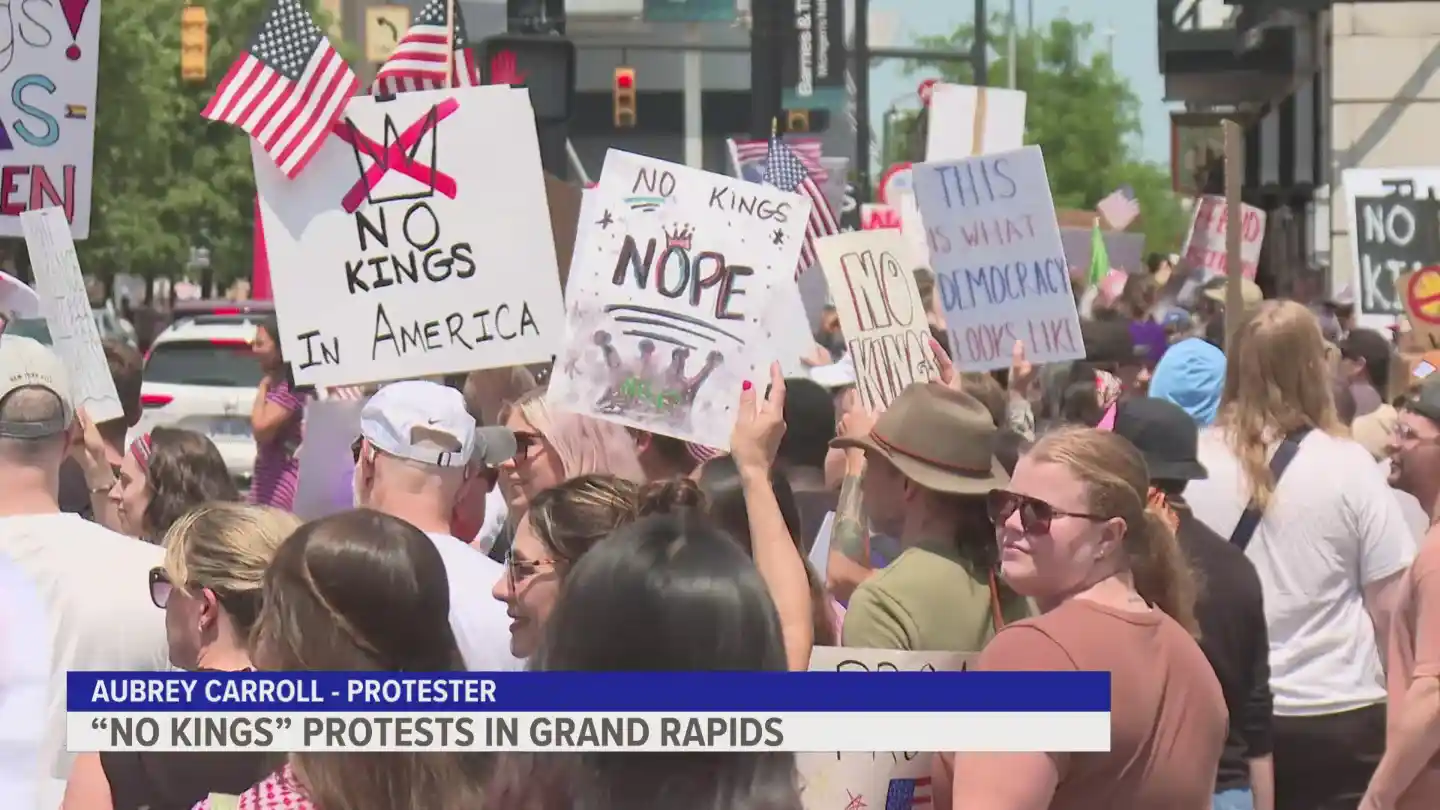
Grand Rapids, Michigan, a city that is typically known for its quiet charm and vibrant arts scene, found itself thrust into the national spotlight as part of this sweeping protest movement. Thousands of residents and activists gathered in downtown Grand Rapids, marching from Rosa Parks Circle along Monroe Avenue NW to Michigan Street. This peaceful yet powerful display of civic engagement was a striking contrast to the otherwise serene atmosphere that the city is known for.
Despite its smaller scale compared to coastal cities, Grand Rapids saw a substantial impact. The protests caused immediate disruptions in local transit systems and downtown businesses. Streets were closed off for safety reasons, and ride-sharing services had to alter their routes, while shuttle services operating in the area also experienced delays. Hotels, particularly those near Rosa Parks Circle, like the Amway Grand Plaza, saw increased demand for accommodations. However, this surge in guests meant that visitors faced longer check-in times and reduced services at the hotels.
Major Urban Centers: How Cities Are Adjusting to the Chaos
Beyond Grand Rapids, cities such as New York City, Los Angeles, Chicago, and Seattle were hit hardest by the ‘No Kings’ protests. These urban epicenters, typically the heart of tourism and commerce in the U.S., saw major disruptions in both their public transportation systems and general mobility. In New York City, streets filled with protestors, making it difficult for pedestrians and drivers alike to navigate through the busy streets. Similar scenes unfolded in Los Angeles, where the normally fast-moving freeways were clogged with protestors, leading to a ripple effect that affected travelers across the state.
For tourists and business travelers, navigating these cities became an ordeal. Flights were delayed as airports faced congestion, and city traffic became nearly impossible to traverse without considerable delays. In cities like Chicago and Seattle, emergency traffic plans were activated to manage the congestion and ensure the safety of both protestors and travelers. Emergency reroutes were put into place, while local transit authorities advised the public to avoid traveling during peak protest hours.
Phoenix and Colorado: The Southern Hotspots for Disruption
While the protests in major coastal cities garnered the most attention, other regions such as Phoenix and Colorado experienced their own forms of protest-induced chaos. In Phoenix, the heat added to the intensity of the protests, as the sun bore down on demonstrators who were blocking key roads and causing a backlog of traffic. With many tourists planning to visit the city’s iconic desert attractions, the protest forced them to reconsider their travel plans. Hotels in downtown Phoenix experienced full bookings, but travelers had to deal with delays and temporary roadblocks that impacted their ability to explore the city as they had planned.
Colorado, known for its mountainous beauty and outdoor tourism, also saw some of its key destinations affected by the ‘No Kings’ protests. Mountain towns that typically thrive on summer tourists, such as Breckenridge and Aspen, had to adjust to an influx of travelers looking for alternative routes to bypass protest zones. The state’s typically smooth-flowing tourism infrastructure was significantly impacted by the ongoing protests.
Navigating the Mayhem: Tips for Travelers During the ‘No Kings’ Protests
As the protests continue to sweep across the country, travelers are facing a new challenge: how to navigate a landscape of protest-driven disruptions. Whether you’re planning a weekend getaway or a longer summer vacation, here are a few essential tips for making the most of your trip during this tumultuous time.
- Plan Ahead: Always check local news and social media feeds for updates on protest locations and expected road closures. Apps like Google Maps and Waze can provide real-time traffic information, helping you avoid protest hotspots.
- Choose Accommodations Wisely: If you’re traveling to a city affected by protests, consider staying in neighborhoods a few miles away from protest zones. This will give you easier access to the city without being caught in the middle of the chaos.
- Consider Alternative Transportation: Ride-sharing services may be rerouted or delayed due to the protests. If you’re flying into a city with active protests, consider using public transportation, or even renting a bike or scooter to navigate around protest zones.
- Expect Delays and Be Flexible: From airport delays to long wait times at attractions, it’s important to adjust your expectations. Allow for extra time in your travel schedule and always have a backup plan.
- Stay Safe: Protests are largely peaceful, but it’s essential to stay aware of your surroundings. Carry only essential items, and avoid wandering into protest zones if you’re not familiar with the area.
How Businesses Are Adapting to the Protest Wave
For businesses in affected cities, especially those in the hospitality and tourism sectors, the ‘No Kings’ protests have been a wake-up call. Hotels have been quick to notify guests of potential disruptions, while some are offering flexible check-in times or alternate routes to avoid protest zones. Attractions like museums, theaters, and galleries are also adjusting their hours or offering timed entry to manage the flow of visitors.
Restaurants and food tours, particularly in cities like Grand Rapids and San Francisco, have faced challenges in ensuring their services run smoothly. Some eateries have opted to adjust their hours or temporarily change their delivery routes to accommodate the protest movement. Meanwhile, local businesses have found innovative ways to cater to customers while ensuring the safety of their employees.
The Long-Term Impact on American Travel
While the ‘No Kings’ protests may not be a permanent fixture, their impact on American travel will likely be felt for the foreseeable future. As cities continue to grapple with the disruptions caused by large-scale protests, tourists and locals alike will need to adjust to new travel norms. Whether it’s taking longer to get to your hotel or navigating street closures, the protests have made it clear that flexibility and awareness are crucial in today’s rapidly changing political climate.
Conclusion: A City in Motion and a Country Divided
The ‘No Kings’ protests have brought Grand Rapids, Michigan, and cities across the U.S. into the global spotlight, forcing travelers and residents to reconsider their daily routines. From unexpected delays in transportation to changes in hotel services, the protests have reshaped the way Americans experience travel this summer. As this national movement continues to unfold, it serves as a reminder of the power of civic engagement—and the impact it can have on both political and personal landscapes. Travelers looking to explore the U.S. in 2025 must navigate these challenges with a sense of awareness, flexibility, and preparedness.