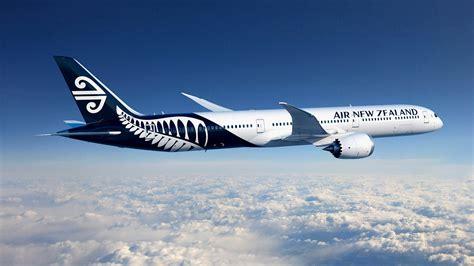
Air New Zealand is making a decisive push to expand its transpacific footprint, announcing a significant capacity boost across major United States gateways. With a bold increase of 34,000 seats between Auckland and three of the airline’s most critical US destinations—Los Angeles, Houston, and San Francisco—the Kiwi carrier is reinforcing its strategic presence in North America ahead of the 2025/26 Southern Hemisphere summer.
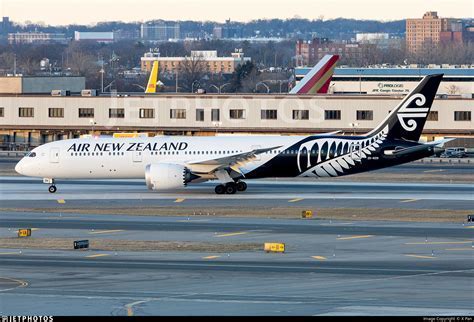
Strengthening Transpacific Ties: A Strategic US Expansion
Between October 2025 and March 2026, Air New Zealand will deploy an expanded fleet to meet rising demand. This effort marks an 8% increase in overall seat capacity and a notable 15% spike in premium seating, equivalent to 20,500 new premium-class seats across the network. These changes are being driven by a surge in both outbound travel from New Zealand and inbound demand from the United States, particularly from business-class and luxury-focused travelers.
Jeremy O’Brien, Chief Commercial Officer at Air New Zealand, emphasized the rationale behind the capacity surge: “We’re seeing strong demand, including growing popularity of our premium cabins. Customers want a more comfortable and seamless experience, and we are responding by increasing premium availability and growing flight frequencies across our long-haul network.”
This capacity growth aligns closely with a broader strategic initiative by the airline to optimize fleet performance and leverage post-pandemic recovery in long-haul travel.
Key Increases Across US Hubs
Among the key beneficiaries of this expansion are three major US cities:
Los Angeles International Airport (LAX)
Air New Zealand’s busiest US route will experience a 16% capacity increase between December and March. This equates to 12 weekly flights from Auckland to LAX, delivering an estimated 6,800 additional premium seats for business and luxury travelers seeking the convenience and comfort of Air New Zealand’s refreshed service.
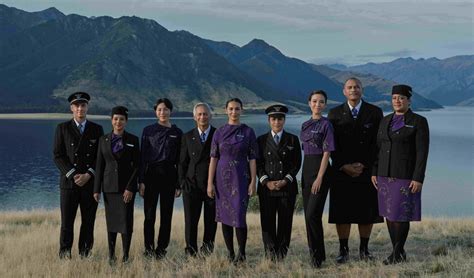
Houston George Bush Intercontinental Airport (IAH)
Houston remains pivotal for connecting traffic throughout the southern US and Latin America. The airline will boost service significantly with 4,500 extra seats scheduled between January and March. This move supports Air New Zealand’s ongoing commitment to providing reliable long-haul access to the energy and business hub of Texas.
San Francisco International Airport (SFO)
Air New Zealand will also scale its service into Northern California. A 3% increase in capacity represents 1,800 additional seats, supported by daily flights continuing through mid-February. As of March, weekly frequencies will grow from five to six, sustaining consistent access to the San Francisco Bay Area.
A Multi-Billion-Dollar Cabin Revolution
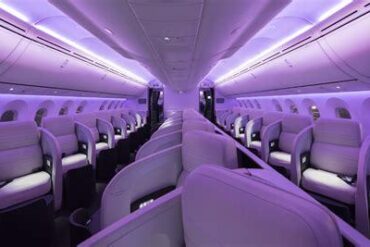
Air New Zealand’s network expansion is complemented by a $2.06 billion investment into fleet upgrades and an overhaul of its long-haul in-flight experience. Central to this transformation is the complete retrofit of seven Boeing 787 Dreamliners.
The flagship of this initiative, aircraft ZK-NZH, spent six months in Singapore undergoing a nose-to-tail retrofit and is now flying key routes like Brisbane and San Francisco. These aircraft introduce a refined cabin class structure, boasting next-generation comfort, privacy, and technology.
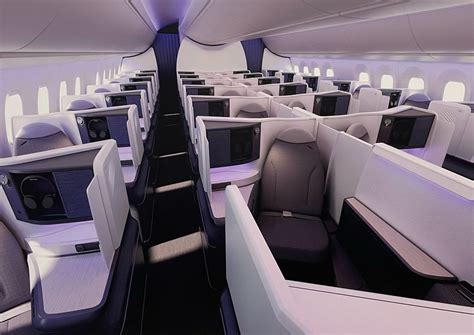
Business Premier Luxe
Air New Zealand’s most luxurious seating option features:
- Full closing doors for privacy
- Larger lie-flat beds
- Dining for two with a generous in-seat layout
- Enhanced amenities included in Business Premier
Business Premier
Aimed at delivering executive-level comfort, this cabin includes:
- Sliding privacy screens
- 24″ entertainment displays
- Wireless charging stations
- Sliding center partitions for traveling couples
- Ergonomic headrests
Premium Economy
For travelers seeking upgraded comfort without first-class pricing:
- Fixed outer shells for quiet privacy
- Side wings to reduce movement disturbances
- Dedicated storage areas
Economy Cabin Improvements
Even budget-conscious travelers are in for an upgrade:
- 50% larger entertainment screens
- Innovative tray designs for snacks and phone usage
- Elastic holders for travel documents
Across all classes, the digital innovation is striking. Passengers can use their phones as remotes, enjoy 4K screens, pair Bluetooth headphones, and even multi-task with split-screen features. These changes bring Air New Zealand’s in-flight entertainment into a new era of personalized travel technology.
Looking Beyond the Pacific: Asia-Pacific Expansion
While the US is clearly a major focus, Air New Zealand is also allocating capacity increases toward Asia-Pacific markets, underscoring the airline’s dual-hemisphere strategy. The most notable adjustments include:
- Taipei: Increasing service to four weekly flights
- Bali: Premium seat offering increased by 49%
- Hong Kong: An extra 3,700 premium seats
- Shanghai: Boosting Business Premier and Premium Economy availability by 35% compared to last year
This aggressive growth reflects a recovery of key Asian business and leisure markets. The balanced approach between North America and Asia ensures Air New Zealand remains a dominant player on the Pacific Rim.
Chicago Still Paused—but Not Forgotten
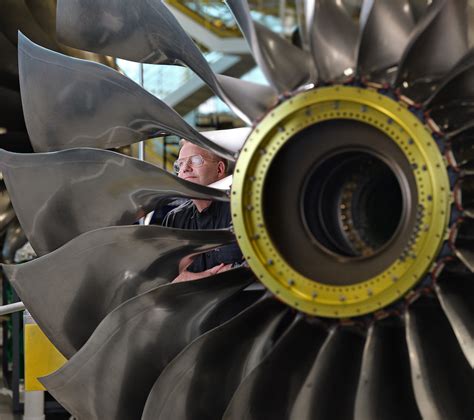
One noticeable omission from the expansion announcement is Chicago O’Hare International Airport. Once an important part of the airline’s US network, service has been suspended due to ongoing Rolls-Royce Trent 1000 engine issues that have impacted Air New Zealand’s 787 fleet.
While no firm timeline has been announced for the return of this route, the airline maintains that it hopes to resume Chicago flights in the near future. With additional retrofitted aircraft coming online and improved engine reliability, it’s likely only a matter of time.
A Broader Push into Premium Travel
The airline’s significant investment in premium-class seating is more than cosmetic. It aligns with an industry-wide trend where demand for elevated service, privacy, and productivity in the air is rising sharply. Air New Zealand’s bold redesign directly caters to these expectations, particularly from corporate travelers and affluent leisure passengers connecting between New Zealand and North America.
In a market increasingly defined by customer experience, the new product offering reinforces the airline’s premium positioning. The airline’s consistent Star Alliance service, combined with these cutting-edge upgrades, strengthens its competitive edge against carriers like Qantas, United Airlines, and Singapore Airlines.
Conclusion: Positioning for the Future
Air New Zealand’s decision to boost capacity between Auckland and major US gateways like Los Angeles, Houston, and San Francisco is a calculated bet on continued transpacific growth. With 34,000 additional seats, a fleet of refreshed Dreamliners, and a sharpened focus on premium comfort, the airline is not merely recovering from post-pandemic turbulence—it is soaring ahead of the curve.
As competitors grapple with operational constraints and fluctuating demand, Air New Zealand’s strategy is clear: Invest in the future, grow smarter, and lead the long-haul market with comfort, class, and consistency.