For decades, the unmistakable silhouette of the Boeing 747 symbolized the glamour and ambition of long-haul air travel. Its upper deck hump, enormous wingspan, and four-engine roar transformed international aviation into something larger than life. At airports across the United States, the arrival of a jumbo jet was more than a routine operation — it was an event. Now, that era is fading rapidly as two major American cities prepare to lose all scheduled passenger Boeing 747 flights this year.
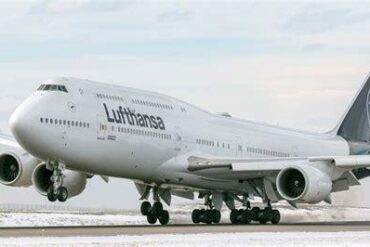
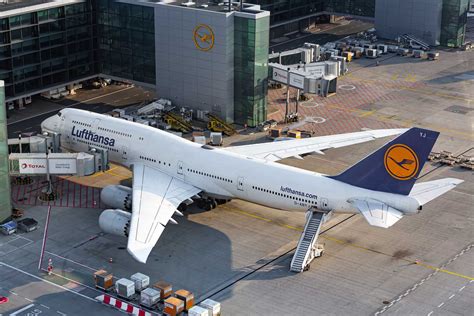
Lufthansa’s latest fleet reshuffle confirms what aviation insiders have anticipated for years: the age of the passenger quadjet is nearing its final chapter. Beginning with the 2026 northern hemisphere winter schedule, both Houston George Bush Intercontinental Airport (IAH) and San Francisco International Airport (SFO) will no longer see regular passenger Boeing 747 operations. The decision marks another major turning point in the gradual disappearance of one of aviation’s most iconic aircraft.
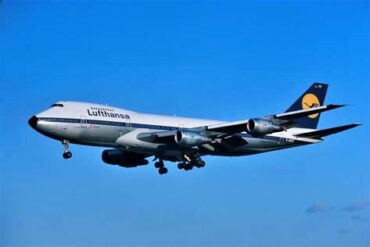
The German flag carrier has long resisted the industry-wide rush toward twin-engine aircraft. While many global airlines retired their 747 fleets during the pandemic or even earlier, Lufthansa continued operating both the Boeing 747-400 and the newer 747-8 Intercontinental. That persistence helped preserve one of the last meaningful opportunities for aviation enthusiasts to experience the jumbo jet on scheduled passenger routes.
Yet economics, fuel efficiency, and operational flexibility are proving impossible to ignore.
Lufthansa Removes Boeing 747 Flights From Houston And San Francisco
Under the updated winter timetable taking effect on October 25, Lufthansa will replace its Boeing 747 aircraft on two major US routes departing from Frankfurt Airport.
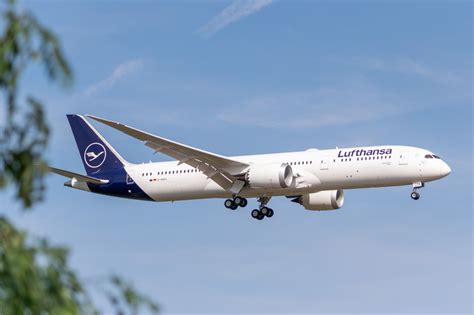
The Frankfurt-to-Houston service, previously operated by the Boeing 747-400, will transition to the far more fuel-efficient Boeing 787-9 Dreamliner. Meanwhile, the airline’s Frankfurt-to-San Francisco route will lose the larger 747-8, replaced instead by the Airbus A350-900.
The changes are part of Lufthansa’s broader long-haul fleet modernization strategy. The carrier has already confirmed that its remaining Airbus A340-600 aircraft will leave the fleet in October, while several aging Boeing 747-400s are also being phased out. Lufthansa stated that the final farewell to the 747-400 is expected sometime next year, signaling the approaching end of an aircraft type that once dominated transatlantic aviation.
For travelers in Houston and San Francisco, the consequences are historic. Once these aircraft substitutions take effect, neither airport will host any scheduled passenger Boeing 747 flights from any airline.
That reality would have seemed unthinkable just two decades ago.
Why The Boeing 747 Is Disappearing From Passenger Service
The decline of the Boeing 747 is not about safety, popularity, or capability. The aircraft remains beloved by passengers and crews alike. Instead, the issue is simple economics.
Modern twin-engine widebody jets such as the Airbus A350 and Boeing 787 Dreamliner consume dramatically less fuel while offering comparable range. Advances in engine reliability also eliminated the old necessity for four engines on ultra-long-haul routes.
Airlines increasingly prioritize flexibility over sheer size. Filling more than 350 seats year-round is challenging, especially during weaker travel seasons. Smaller long-range aircraft allow carriers to maintain frequencies without risking empty seats that erode profitability.
Lufthansa’s Houston route perfectly illustrates this shift. The outgoing Boeing 747-400 carries approximately 371 passengers, depending on configuration. Its replacement, the Boeing 787-9, accommodates between 287 and 294 seats.
That represents a capacity reduction of more than 20% on every flight.
The San Francisco route faces an even steeper decline. Lufthansa’s Boeing 747-8 typically seats between 348 and 364 passengers, while the Airbus A350 configuration replacing it carries just 267 seats. Depending on the layout comparison, that amounts to a capacity drop approaching 27%.
Those numbers reveal a broader reality within international aviation. Airlines are no longer chasing maximum passenger volume on every route. Instead, they are optimizing profitability, fuel burn, and sustainability targets.
A Painful Loss For Aviation Enthusiasts
For aviation fans, the emotional impact reaches far beyond fleet statistics.
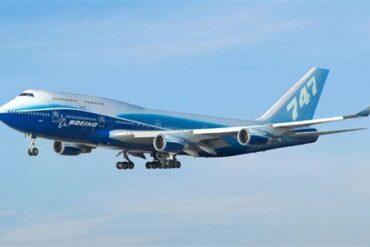
The Boeing 747 is not merely another aircraft. It is arguably the most recognizable passenger airplane ever built. Since entering service with Pan Am in 1970, the jumbo jet revolutionized international travel by making long-haul flights accessible to millions of passengers.
The aircraft carried presidents, celebrities, business travelers, and generations of families across oceans. It became deeply embedded in popular culture, appearing in films, advertisements, and airport postcards worldwide.
Houston and San Francisco have both enjoyed long relationships with the jumbo jet. San Francisco, in particular, has historically been one of America’s premier Pacific gateways, regularly welcoming 747s from Asia, Europe, and Oceania. Meanwhile, Houston’s energy-sector connections helped sustain large international aircraft on transatlantic routes for decades.
The disappearance of passenger 747s from these cities reflects how dramatically global aviation has evolved.
Today’s airport experience increasingly revolves around efficiency and environmental performance rather than spectacle. The graceful giant that once defined international aviation now struggles to justify its operating costs in a fiercely competitive marketplace.
The Boeing 747 Still Survives In Cargo Operations
Despite the collapse of passenger operations, the Boeing 747 is far from extinct.
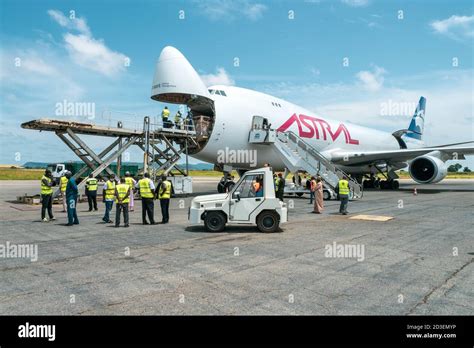
Cargo airlines continue relying heavily on the aircraft because of its unmatched payload capability and distinctive nose-loading design. Freight operators including Atlas Air, Cargolux, UPS Airlines, and Cathay Pacific Cargo still operate sizable 747 fleets worldwide.
In many ways, cargo aviation has become the jumbo jet’s final sanctuary.
Passengers may no longer regularly board 747s in cities like Houston and San Francisco, but airport observers will still occasionally spot freighter variants carrying everything from industrial machinery to e-commerce shipments across continents.
The aircraft’s durability and enormous cargo capacity ensure it will remain relevant in logistics for years to come, even as passenger airlines move on.
Air China Keeps The Passenger 747 Alive In The United States
Although Houston and San Francisco are losing their final passenger 747 services, the aircraft will not disappear entirely from US skies.
According to current scheduling data, Air China plans to continue operating its Boeing 747-8 on routes connecting Beijing Capital International Airport with both New York JFK and Washington Dulles.
Those flights will preserve limited opportunities for passengers and aviation enthusiasts to experience scheduled Boeing 747 travel in America. However, such opportunities are becoming increasingly rare with every passing season.
The shrinking number of operators highlights just how close the aviation industry is to closing the final chapter on the passenger jumbo jet era.
Lufthansa’s latest route changes are not simply routine schedule adjustments. They represent another visible milestone in the retirement of a machine that once reshaped global transportation forever.
As Houston and San Francisco prepare for life without passenger Boeing 747 flights, aviation loses a little more of its golden-age grandeur — one jumbo jet departure at a time.