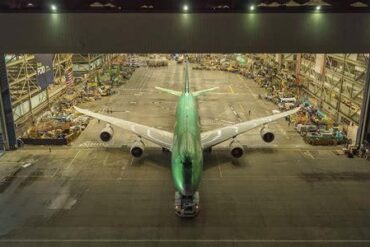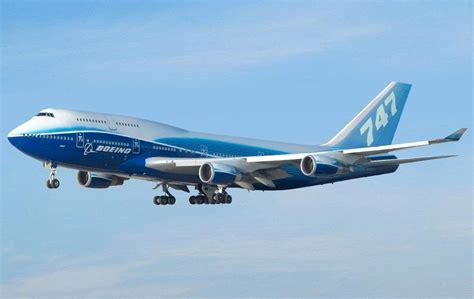
The story of modern aviation cannot be told without acknowledging the seismic impact of the Boeing 747. It wasn’t just an aircraft; it was a declaration that the world was about to become smaller, more connected, and dramatically more accessible. Yet what makes Boeing’s journey fascinating isn’t just the creation of the 747—it’s how decisively the company moved beyond it. Over the decades, Boeing shifted from building the largest planes imaginable to engineering aircraft that are smarter, leaner, and far more efficient. This evolution reflects a deeper transformation in aviation itself, driven by economics, technology, and the changing expectations of global travel.
The 747 Revolution: When Bigger Meant Better
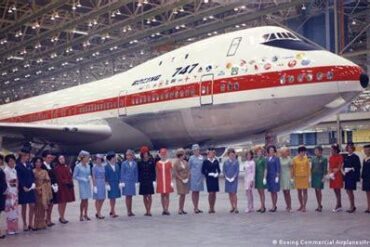
When the Boeing 747 entered service in 1969, it rewrote the rules of commercial aviation almost overnight. With its unmistakable upper-deck hump and dual-aisle cabin, the aircraft introduced the world to the concept of widebody travel. Suddenly, airlines could carry between 350 and nearly 500 passengers on a single flight, dramatically lowering the cost per seat and opening long-haul travel to millions who had never considered flying before.
The engineering behind the 747 reflected the technological realities of its time. Its four high-thrust engines were not a luxury but a necessity, providing the reliability required for long-distance flights over oceans and remote regions. Fuel consumption was substantial—reaching up to 26,500 pounds per hour during cruise—but the aircraft’s sheer capacity offset these costs on a per-passenger basis.
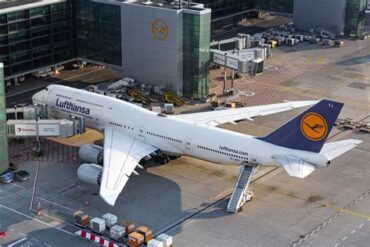
Beyond the aircraft itself, the 747 reshaped the entire aviation ecosystem. Airports expanded their infrastructure, from wider taxiways to larger gates. Airlines leaned heavily into hub-and-spoke models, funneling passengers through major cities to fill these massive jets. For over five decades, the 747 stood as a symbol of global connectivity and engineering ambition.
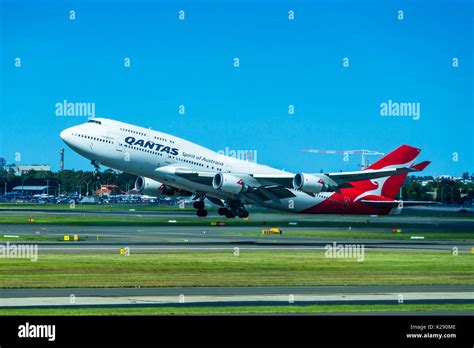
From Giants to Efficiency: A Strategic Shift in Design Philosophy
As aviation matured, Boeing began to recognize a crucial truth: bigger wasn’t always better. Airlines were no longer focused solely on maximizing capacity—they needed flexibility, efficiency, and profitability on a wider range of routes. This realization sparked a gradual but decisive shift in aircraft design.
The introduction of aircraft like the 757 and 767 marked the beginning of this transition. These models featured narrower fuselages and, more importantly, relied on just two engines instead of four. This change significantly reduced fuel consumption and maintenance complexity. It also allowed airlines to operate more frequent flights, rather than relying on fewer, high-capacity departures.
The real breakthrough came with the Boeing 777. Designed from the outset for long-haul operations, it demonstrated that twin-engine aircraft could match—and even surpass—the capabilities of larger, four-engine jets. This wasn’t just an incremental improvement; it was a paradigm shift that redefined what long-distance travel could look like.
ETOPS and Engine Reliability: Unlocking the Twin-Engine Era
One of the most critical enablers of Boeing’s evolution was the advancement of engine technology and regulatory frameworks like ETOPS (Extended-range Twin-engine Operational Performance Standards). In earlier decades, long-haul routes over oceans required aircraft with three or four engines for safety reasons. Engine failures were a serious concern, and redundancy was essential.
By the 1980s and 1990s, turbofan engines had become dramatically more reliable. This allowed regulators to extend the permissible distance that twin-engine aircraft could fly from the nearest diversion airport. The Boeing 767 played a pioneering role here, proving that transatlantic routes could be safely operated with just two engines.
The benefits were immediate and substantial:
- Lower fuel consumption, often 25–30% less than four-engine aircraft
- Reduced maintenance costs, with fewer engines to service
- Greater route flexibility, enabling direct connections between smaller cities
This shift fundamentally altered airline economics. Instead of concentrating passengers through massive hubs, airlines could now offer point-to-point services, improving convenience and reducing travel times.
Digital Transformation: The Rise of Intelligent Aircraft
By the time the Boeing 777 entered service in the 1990s, the company had embraced a new frontier: digital design and flight control systems. The 777 became the first commercial aircraft to be developed entirely using computer-aided design (CAD), eliminating the need for costly physical mockups and enabling unprecedented precision in engineering.
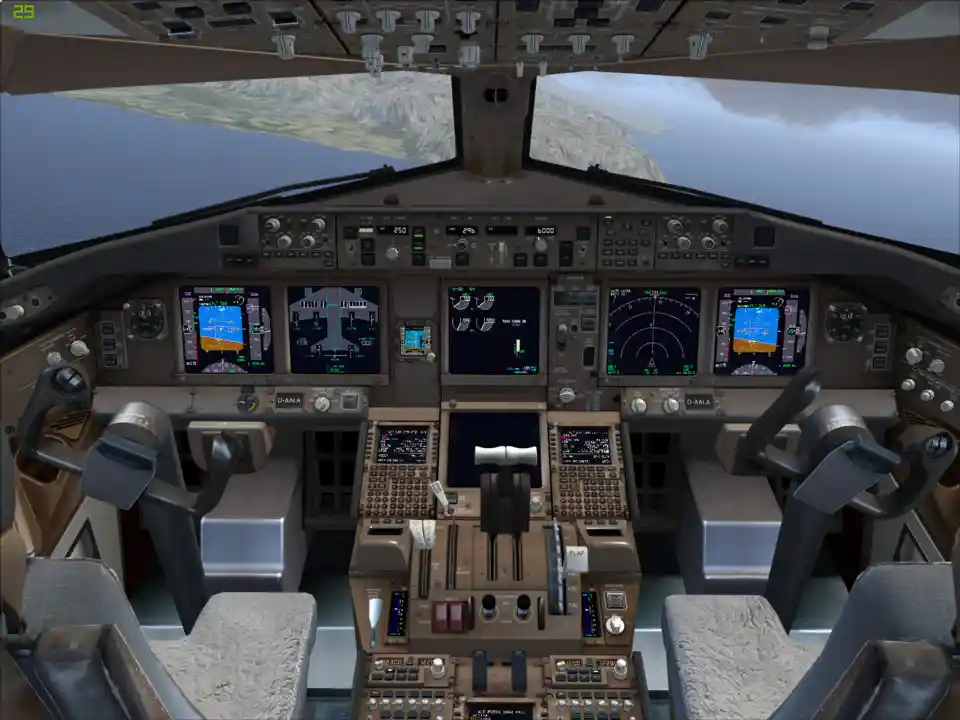
This digital revolution extended into the cockpit. Traditional analog gauges gave way to advanced glass cockpit systems, where pilots could access critical information through integrated digital displays. The result was improved situational awareness and more efficient decision-making.
Perhaps the most transformative innovation was the introduction of fly-by-wire technology. Instead of relying on mechanical linkages, pilot inputs were transmitted electronically to onboard computers, which then adjusted control surfaces in real time. This allowed for:
- Automatic protection against stalls and excessive maneuvers
- Smoother handling during turbulence
- Optimized aerodynamic performance
Aircraft were no longer just machines—they were intelligent systems capable of enhancing safety and efficiency through continuous real-time adjustments.
The Composite Revolution: Reinventing Aircraft Materials
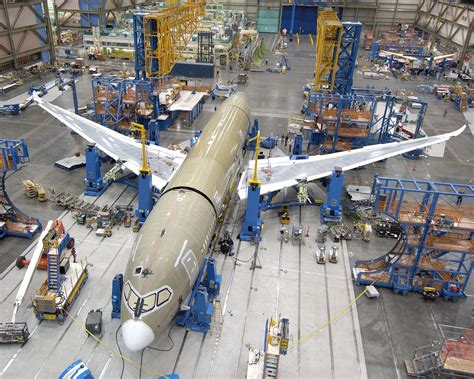
If digital systems transformed how aircraft were flown, composite materials revolutionized how they were built. The Boeing 787 Dreamliner marked a turning point in this regard, with approximately 50% of its primary structure made from carbon-fiber composites.
This was a radical departure from traditional aluminum construction. Composites offered several key advantages:
- Significantly lower weight, improving fuel efficiency
- Greater strength and durability, reducing wear and tear
- Resistance to corrosion, extending service life
The impact on performance was profound. The 787 achieved roughly 20–25% better fuel efficiency compared to earlier widebody aircraft of similar size. For airlines, this translated into lower operating costs and reduced environmental impact—a critical factor in an era of rising fuel prices and increasing sustainability pressures.
But the benefits weren’t limited to economics. Composites also allowed for design innovations that enhanced passenger comfort. Larger windows, higher cabin humidity, and lower cabin altitude all contributed to a more pleasant long-haul experience. Flying was no longer just about getting from point A to point B—it became about how comfortable that journey could be.
The Decline of the 747: When Legacy Meets Reality
Despite its legendary status, the Boeing 747 eventually found itself at odds with the realities of modern aviation. Its enormous capacity, once its greatest strength, became a liability in a market that increasingly favored flexibility.
Airlines struggled to consistently fill 400+ seats, especially as travelers began to prefer direct routes over connections through major hubs. Operating a partially filled 747 was economically inefficient, particularly when compared to newer twin-engine aircraft that could achieve similar ranges with far lower fuel consumption.
Fuel efficiency became a decisive factor. Four engines meant higher fuel burn and increased maintenance costs. As environmental concerns grew and fuel prices fluctuated, airlines began phasing out their 747 fleets in favor of more economical alternatives.
The end of 747 production in 2023 marked the close of an extraordinary chapter in aviation history. It wasn’t a failure—it was a transition. The industry had evolved, and Boeing evolved with it.
The Modern Era: Balancing Range, Capacity, and Sustainability
Today, Boeing’s aircraft embody a new design philosophy centered on balance. Instead of chasing maximum size, modern jets are optimized for efficiency, range, and environmental performance.
The Boeing 787 Dreamliner exemplifies this approach. With a typical capacity of 240 to 340 passengers and a range exceeding 14,000 kilometers, it enables airlines to connect cities that were previously not economically viable. This has accelerated the shift toward point-to-point travel, reducing reliance on congested hub airports.
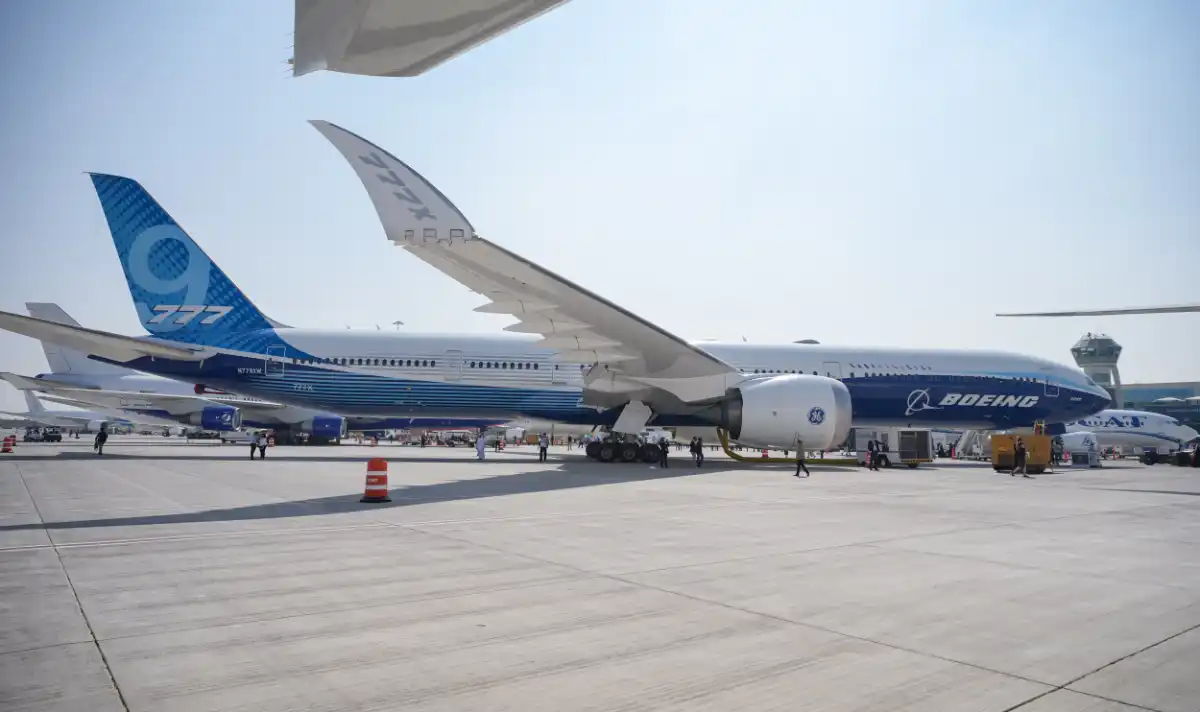
Meanwhile, the Boeing 777X represents the next step in long-haul evolution. Featuring the largest commercial jet engines ever built and advanced composite wings with folding wingtips, it combines high capacity with impressive efficiency gains. Despite carrying over 400 passengers in some configurations, it achieves significantly lower fuel consumption than older aircraft in its class.
Across Boeing’s latest programs, each new generation delivers 15–25% improvements in fuel efficiency and emissions. This consistent progress reflects a broader commitment to sustainability, as the aviation industry works to reduce its environmental footprint without compromising performance.
Redefining Air Travel Economics and Passenger Experience
The evolution of Boeing aircraft has done more than improve engineering metrics—it has fundamentally reshaped how airlines operate and how passengers experience travel. The move toward smaller, more efficient aircraft has enabled airlines to offer more routes, more frequencies, and greater flexibility.
For passengers, this means fewer layovers, shorter travel times, and more direct connections between cities that were once considered secondary markets. The emphasis on comfort, from quieter cabins to improved air quality, has also elevated the overall flying experience.
From an economic perspective, the shift has allowed airlines to better match capacity with demand. Instead of relying on massive aircraft that require near-full occupancy to be profitable, carriers can deploy aircraft that are right-sized for specific routes. This adaptability is crucial in an industry where demand can fluctuate rapidly.
The Future Trajectory: Innovation Without Excess
Boeing’s journey since the 747 reveals a clear trajectory: innovation is no longer about building the biggest aircraft, but about building the smartest ones. Efficiency, sustainability, and adaptability have replaced sheer size as the defining metrics of success.
Emerging technologies—such as advanced aerodynamics, next-generation propulsion systems, and sustainable aviation fuels—are likely to shape the next phase of this evolution. Yet the underlying philosophy will remain consistent: deliver maximum performance with minimal waste.
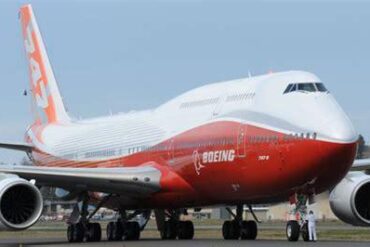
The legacy of the 747 still looms large, not as a relic of the past but as a foundation for everything that followed. It proved what was possible when ambition met engineering excellence. The aircraft that came after didn’t just improve on that vision—they redefined it.
In the end, Boeing’s evolution is a story of alignment with reality. As the world changed, so did the priorities of aviation. And in that shift—from size to efficiency, from hubs to direct routes, from analog to digital—the future of flight was quietly, but decisively, rewritten.