American Airlines’ relationship with the Boeing 747—the legendary “Queen of the Skies”—was both transformative and surprisingly brief. While the aircraft reshaped global aviation and became synonymous with long-haul travel, American’s experience with the jumbo jet reveals a strategic balancing act between ambition and efficiency. The airline embraced the 747 early, deployed it on high-profile routes, and then retired it earlier than many competitors, leaving behind a legacy that still influences fleet decisions today.
Understanding exactly how long American Airlines operated the Boeing 747 requires looking beyond simple dates. It involves examining the airline’s early adoption, its operational challenges, and the economic realities that ultimately led to the aircraft’s retirement.
The Arrival of the Boeing 747 at American Airlines
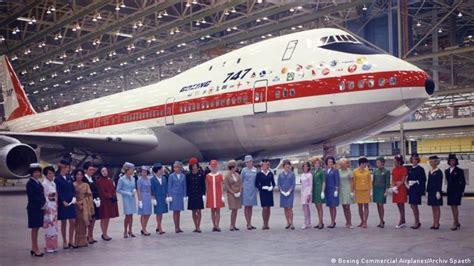
American Airlines entered the widebody era at a pivotal moment in aviation history. In 1970, as global air travel demand surged, the airline moved quickly to integrate the Boeing 747 into its fleet—even before receiving its own aircraft.
To accelerate entry into service, American leased two early Boeing 747s from Pan Am. This strategic move allowed the airline to launch its first Astroliner service on March 2, 1970, positioning itself among the pioneers of jumbo jet operations. Shortly afterward, American began taking delivery of its own fleet, eventually receiving sixteen Boeing 747-100 aircraft.
The introduction of the 747 was not just about capacity—it was about redefining the passenger experience. Wide cabins, multiple service classes, and enhanced onboard amenities gave American Airlines a competitive edge on long-haul routes.
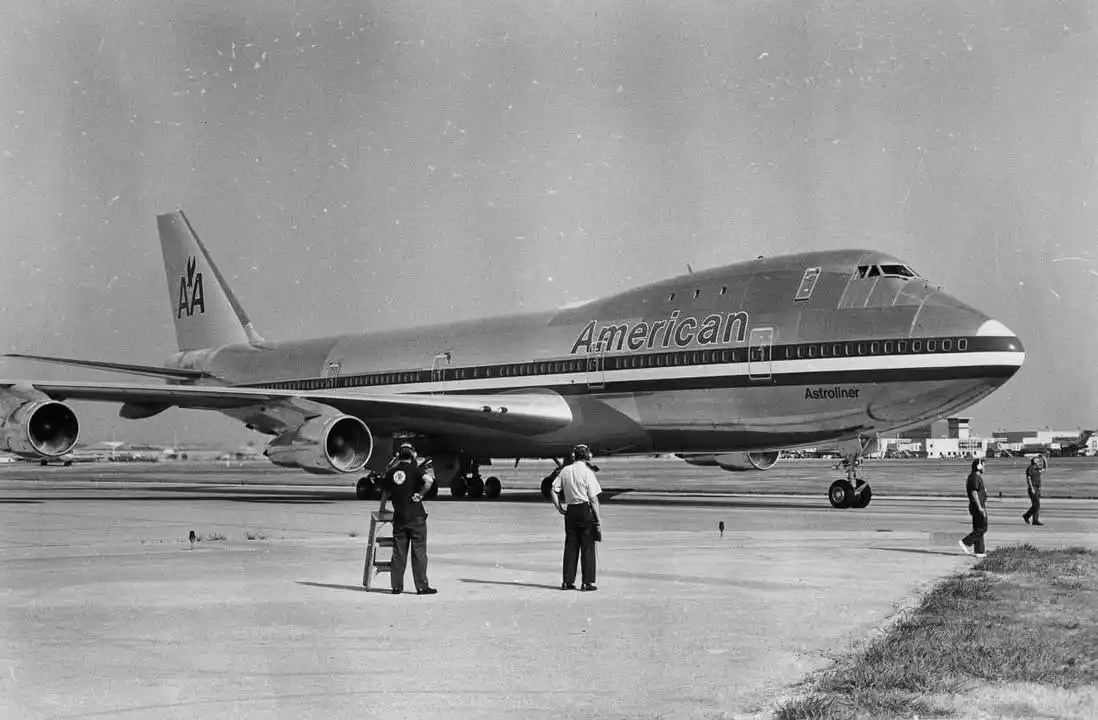
From the outset, the 747 became a flagship of the airline’s international ambitions. It enabled American to compete directly with industry giants like Pan Am and TWA, particularly on lucrative transatlantic and transpacific routes.
How Long Did American Airlines Operate The Boeing 747?
The timeline is clear but nuanced. American Airlines operated the Boeing 747 from 1970 until 1994, marking a period of roughly 24 years.
However, the operational story unfolds in phases. Passenger-focused 747 services were largely phased out by the mid-1980s, even though some aircraft—particularly specialized variants—remained in use into the early 1990s.
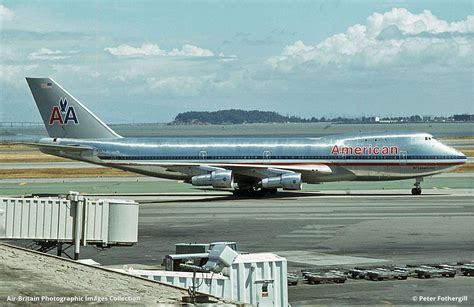
During its lifespan, American Airlines operated a total of 19 Boeing 747 aircraft, including:
- 747-100 (the original high-capacity variant)
- 747-200 (improved range and performance)
- 747-SP (a shortened, ultra-long-range version)
These aircraft served a mix of domestic trunk routes and long-haul international flights, reflecting a time when airlines experimented with deploying large jets across diverse networks.
The Routes That Defined American’s 747 Operations
American Airlines used the Boeing 747 on some of its most important and high-demand routes. Domestically, the aircraft connected major hubs such as New York, Los Angeles, and San Francisco, where passenger volumes justified its immense capacity.
Internationally, the 747 played a crucial role in expanding the airline’s global reach. Flights from Dallas/Fort Worth to Tokyo Narita and key European destinations highlighted the aircraft’s long-range capabilities.
The introduction of the 747-SP variant allowed American to operate ultra-long-haul routes more efficiently. Its extended range made it ideal for connecting the United States with Asia, reducing the need for intermediate stops and enhancing schedule reliability.
Yet, despite these advantages, the very size that made the 747 revolutionary also introduced constraints—especially in the context of American Airlines’ network structure.
Why the Boeing 747 Became a Challenge
Operating the Boeing 747 was never simple, but for American Airlines, the challenges were particularly pronounced. Unlike competitors with larger 747 fleets, American managed a relatively small and diverse group of jumbo jets, which created inefficiencies across operations.
The 747’s four-engine configuration significantly increased fuel consumption compared to emerging twin-engine aircraft. As fuel prices fluctuated during the 1970s and 1980s, this became a critical financial burden.
Maintenance added another layer of complexity. Supporting multiple variants—747-100, 747-200, and 747-SP—required specialized training, spare parts, and engineering expertise. This fragmented fleet structure made it difficult to achieve economies of scale.
Additionally, the aircraft’s sheer size posed operational challenges. Many airports lacked the infrastructure to handle the 747 efficiently, and even on busy routes, consistently filling hundreds of seats proved difficult.
American Airlines increasingly found itself operating aircraft that were too large for its predominantly domestic network.
Shifting Industry Trends and Economic Pressures
By the 1980s, the aviation industry was undergoing a fundamental shift. Airlines began moving away from the traditional hub-and-spoke model toward more flexible, point-to-point networks. This reduced the need for ultra-large aircraft like the Boeing 747.
At the same time, advances in aircraft technology introduced a new generation of widebody jets. Twin-engine aircraft such as the Boeing 767 offered comparable range with significantly lower operating costs.
The economic equation became impossible to ignore. The cost of operating a 747—fuel, maintenance, crew, and infrastructure—began to outweigh the revenue it could generate on many routes.
For American Airlines, the decision to phase out the 747 was not about the aircraft’s capabilities, but about profitability and efficiency.
The Role of Fleet Size in Early Retirement
One of the most decisive factors in American’s early retirement of the Boeing 747 was fleet size. Operating just 19 aircraft across multiple variants created a structural disadvantage compared to airlines with larger, standardized fleets.
A small fleet limits flexibility. Aircraft cannot be easily rotated across routes, maintenance scheduling becomes more complex, and per-unit costs rise sharply. These challenges were amplified by the 747’s already high operating expenses.
This made the aircraft increasingly impractical in comparison to newer models. Even as the 747 remained iconic, it no longer aligned with American Airlines’ evolving operational strategy.
The Transition to More Efficient Aircraft
As American Airlines phased out its 747s, it turned to more efficient widebody aircraft to support its long-haul operations. The transition began with models like the McDonnell Douglas DC-10 and Boeing 767, but the most significant leap came with the introduction of the Boeing 777.
The 777 represented a new era in aviation. Its twin-engine design, combined with advanced aerodynamics and extended-range capabilities, allowed it to perform many of the same missions as the 747—at a fraction of the cost.
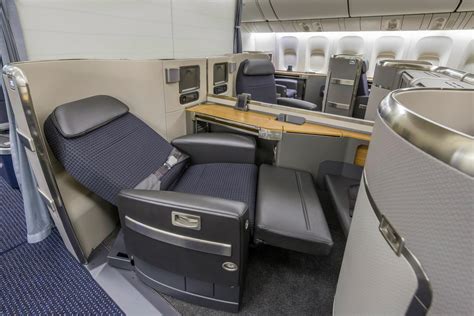
Beyond efficiency, the 777 improved the passenger experience. Features such as lie-flat business class seats, enhanced cabin pressurization, and advanced in-flight entertainment systems set new standards for comfort.
This transition reflected a broader industry trend: prioritizing frequency, flexibility, and efficiency over sheer capacity.
The Final Years and Retirement of the 747
By the mid-1980s, American Airlines had largely phased out the Boeing 747 from its core passenger operations. The remaining aircraft—particularly the specialized 747-SP—continued flying into the early 1990s.
The final chapter came in 1994, when American officially retired its last Boeing 747. This marked the end of nearly a quarter-century of operations with one of aviation’s most iconic aircraft.
Interestingly, many of American’s retired 747s found second lives. Some were converted into cargo aircraft, serving global logistics networks. Others were sold for specialized roles, including government and VIP transport.
One aircraft achieved a particularly unique legacy: a former American Airlines 747-123 was transformed into a NASA Shuttle Carrier Aircraft, used to transport space shuttles across the United States.
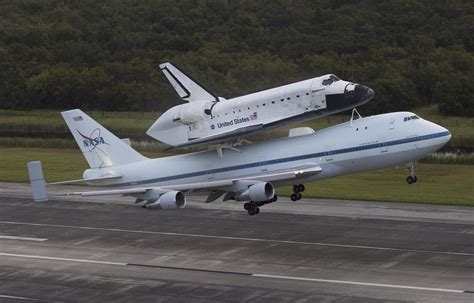
These post-retirement roles underscore the durability and versatility of the Boeing 747, even after its commercial passenger service ended.
The Lasting Legacy of American Airlines’ Boeing 747 Era
Although American Airlines operated the Boeing 747 for a shorter period than many of its competitors, the aircraft played a crucial role in shaping the airline’s identity and growth during a transformative era.
The 747 enabled American to expand its international network, elevate its onboard product, and compete at the highest level of global aviation. It represented a bold step into the future—one that redefined passenger expectations and operational possibilities.
At the same time, the airline’s early retirement of the 747 highlighted an equally important lesson: innovation must align with economics. Even the most iconic aircraft cannot remain viable if it no longer fits the operational model.
Today, the influence of the Boeing 747 can still be seen in modern aircraft design and airline strategies. Widebody jets continue to prioritize efficiency, range, and passenger comfort—principles that evolved directly from the jumbo jet era.
In the end, the answer to how long American Airlines operated the Boeing 747—from 1970 to 1994—tells only part of the story. The real significance lies in how those 24 years reshaped both the airline and the broader aviation landscape, leaving behind a legacy that continues to soar long after the final flight.