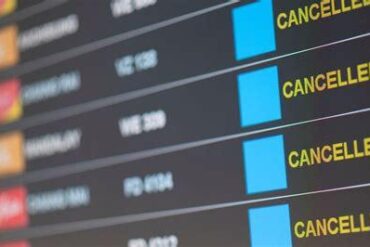
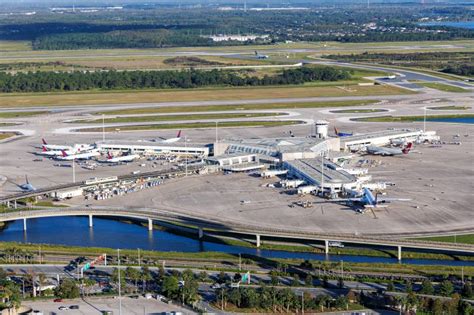
The upcoming summer is poised to bring not only an influx of travelers but also challenging weather patterns. In recent years, Florida has emerged as a leading state for travel disruptions. With Orlando International Airport (MCO) ranking among the top five airports for delays in both June and July of 2024, it’s clear that travelers must be vigilant. Just 64% of flights were on time during the peak month of July last year, underscoring the urgency for awareness.
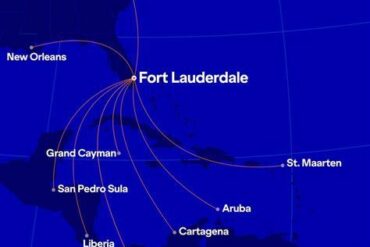
Travelers heading to Fort Lauderdale (FLL) and Tampa (TPA) can expect similar challenges. These airports reported significant delays as well, driven by a volatile mix of thunderstorms and hurricane season, which can quickly bring air traffic to a standstill. The dangerous combination of rising sea temperatures and unpredictable weather patterns means that travelers should prepare for disruptions, particularly in Florida.
The National Delay Data: A Broader Perspective
Delays are not confined to Florida. San Francisco International Airport (SFO) had the lowest on-time arrival rate in 2024, with only 68.9% of flights arriving as scheduled. Coastal fog, coupled with extreme heat waves typical of the West Coast, poses significant challenges. Other major airports facing similar issues include:
- Fort Lauderdale (FLL): 73.9% on-time rate
- Tampa (TPA): 73.9% on-time rate
- Dallas/Fort Worth (DFW): 74% on-time rate
- Orlando (MCO): 74.6% on-time rate
- San Diego (SAN): 74.6% on-time rate
- Miami (MIA): 75% on-time rate
- Austin (AUS): 76% on-time rate
- Boston (BOS): 76.1% on-time rate
- Newark (EWR): 76.2% on-time rate
- Philadelphia (PHL): 76.7% on-time rate
These statistics reflect more than just numbers; they translate into real-world consequences for millions of passengers. Missed connections, added costs, and the stress of rebooking can significantly impact travel experiences.
Weather: The Primary Culprit
Weather remains the leading cause of flight disruptions during the summer months. Frequent summer storms, particularly hurricanes affecting the South and East coasts, have the potential to ground entire fleets, resulting in extensive reroutes and airspace closures. Extreme heat can also hinder aircraft performance, necessitating delayed takeoffs or reduced passenger loads for safety reasons. Additionally, airlines are grappling with unprecedented passenger demand, exacerbated by ongoing crew shortages and aircraft maintenance challenges. The combination of these factors often leads to small delays cascading into widespread scheduling chaos.
Flying Smart: Best Practices for Travelers
To mitigate the impact of potential delays, experts recommend flying in the morning whenever possible. Early flights are less likely to be affected by afternoon thunderstorm buildups and cascading delays. By taking off earlier in the day, travelers can often avoid the compounding risks associated with afternoon and evening flights, especially in busy hubs like DFW, MCO, BOS, and EWR.
What to Do When Delays Strike
When faced with delays caused by weather, it’s important for travelers to know their rights. Airlines are not obligated to compensate passengers for weather-related delays, but if your flight is canceled, you are entitled to a full refund—even on non-refundable tickets—if you decline alternate arrangements offered by the airline. To stay informed during travel disruptions, utilize the DOT’s Airline Cancellation and Delay Dashboard. This tool provides details about each carrier’s commitments during flight disruptions.
Some airlines voluntarily offer perks such as hotel stays or meal vouchers during prolonged delays, but these policies can vary widely. Being proactive and understanding your rights can make a significant difference in managing travel frustrations.
Strategic Tips to Navigate Summer Travel
To navigate the complexities of summer travel effectively, consider the following strategies:
- Opt for Nonstop Flights: Whenever feasible, book nonstop flights to minimize the risk of missed connections.
- Choose Larger Hub Airports: Departing from larger airports can increase resilience against weather impacts and improve rebooking options.
- Stay Updated: Leverage airline apps and SMS alerts for live updates on gate changes and flight statuses.
- Invest in Travel Insurance: Consider purchasing travel insurance that covers weather-related delays and cancellations to protect your investment.
- Explore Regional Airports: When possible, look into using regional airports to avoid the congestion and chaos common in larger hubs, especially in Florida and the Northeast.
The Ripple Effects for International Travelers
American and Canadian travelers heading to sunny destinations like Florida, Texas, or California should remain particularly alert. Flights bound for Canada via East Coast hubs such as Newark and Boston may also face delays due to Atlantic storm systems. Furthermore, travelers heading to Toronto, Vancouver, and Montreal may experience inbound ripple delays stemming from disruptions in U.S. air travel. Families and international tourists should recognize that a delay in cities like Dallas, Orlando, or Miami can potentially disrupt an entire vacation itinerary, including connecting flights, cruise departures, and hotel bookings.
The Tourism Industry’s Response
Airlines and airports are actively working to ramp up staffing levels, add buffer times to schedules, and enhance real-time communication with passengers in anticipation of a challenging summer peak season. Hotels, car rental services, and tour operators are also modifying cancellation policies to better accommodate passengers who may find themselves delayed or stranded. However, proactive planning on the part of travelers remains the most effective line of defense against travel disruptions.
Conclusion: Be Prepared for Your Journey
This summer, the mantra for travelers is clear: knowledge is not only power; it’s peace of mind. If you’re flying through Orlando, San Francisco, Fort Lauderdale, Dallas, or any other major airport identified by the DOT as prone to delays, it’s crucial to build extra time into your schedule, prepare contingency plans, and opt for morning flights whenever feasible. While delays are anticipated, implementing these strategies can help ensure that your vacation remains enjoyable and your stress levels stay low. Being prepared is key to keeping your travel plans on track.