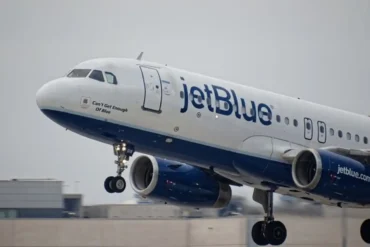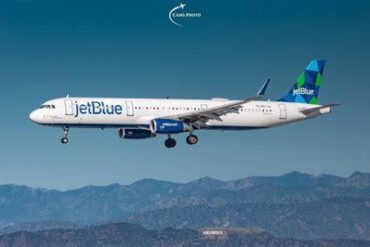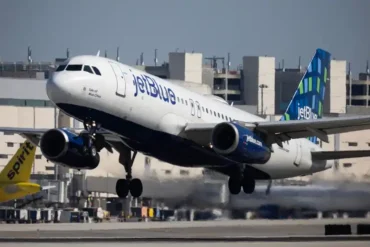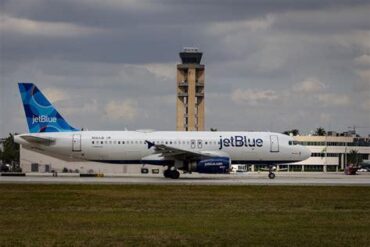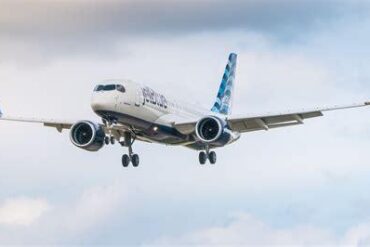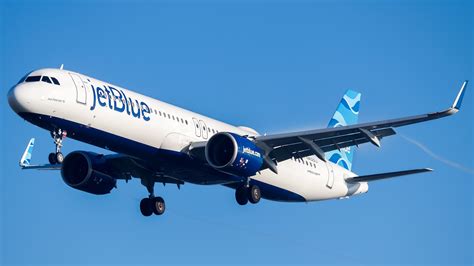
A routine arrival into one of Florida’s busiest airspaces turned into a tense moment for passengers and crew aboard a JetBlue Airbus A321neo when the aircraft was forced to take evasive action after receiving a Traffic Collision Avoidance System (TCAS) alert during its approach to Fort Lauderdale-Hollywood International Airport (FLL).
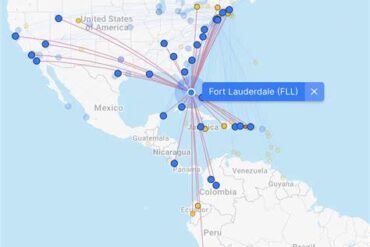
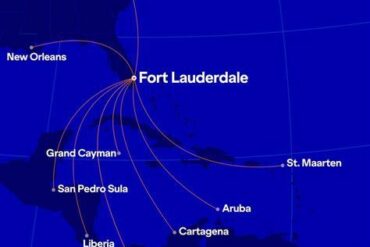
The incident occurred on the evening of June 1, 2026, involving JetBlue Flight 1256, which had departed José Joaquín de Olmedo International Airport in Guayaquil, Ecuador, and was nearing the end of its approximately four-hour journey to South Florida. Although the aircraft landed safely and no injuries were reported, the event has drawn the attention of the Federal Aviation Administration (FAA), which has opened an investigation into the circumstances surrounding the close encounter.
The episode highlights ongoing concerns about traffic density in major metropolitan airspace and the challenges posed when commercial airliners and smaller general aviation aircraft operate in close proximity.
As Flight 1256 descended toward Fort Lauderdale, air traffic controllers reportedly advised the JetBlue crew about the presence of a nearby aircraft operating under Visual Flight Rules (VFR). Such traffic is not uncommon in South Florida, where numerous general aviation airports support a constant flow of private and recreational flying activity. However, what initially appeared to be a routine traffic advisory quickly developed into a more serious situation.
According to air traffic control communications, the JetBlue pilots observed the nearby aircraft turning toward their flight path while the distance between the two aircraft narrowed significantly. Reports indicate that the aircraft came within approximately one nautical mile of each other before the JetBlue crew received a TCAS advisory.
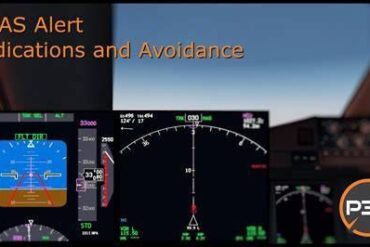
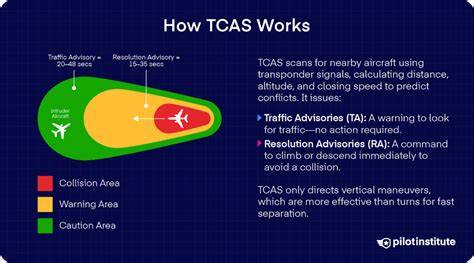
TCAS is one of the aviation industry’s most important safety technologies. Installed aboard commercial aircraft worldwide, the system continuously monitors nearby transponder-equipped aircraft and provides crews with traffic advisories and resolution advisories when collision risks are detected. When a TCAS alert is issued, pilots are trained to respond immediately to ensure safe separation.
In this case, the JetBlue crew maneuvered the Airbus A321neo away from the developing conflict. Flight-tracking information later showed a noticeable deviation from the aircraft’s expected approach path while descending through approximately 5,000 feet. The maneuver was successful, and the aircraft continued safely toward Fort Lauderdale, touching down less than ten minutes later.
Air Traffic Control Audio Reveals Growing Concern
One of the most striking aspects of the incident emerged through recordings from LiveATC.net. Audio captures air traffic controllers expressing visible concern regarding the actions of the unidentified aircraft.
During the exchange, controllers reportedly described the pilot as “insane” and referred to the aircraft using the nickname “Mad Max.” Controllers also warned another flight operating in the area that a VFR aircraft appeared to be attempting to climb toward other aircraft in the vicinity.
Such language is highly unusual in professional air traffic communications and illustrates the level of concern generated by the aircraft’s behavior. While controllers occasionally use informal terminology during stressful situations, comments of this nature are rare and generally indicate that an aircraft’s actions are being viewed as unpredictable or potentially hazardous.
At the time of publication, authorities have not publicly identified the pilot or aircraft involved in the incident. Early indications suggest the aircraft was likely a smaller general aviation airplane operating outside direct air traffic control communication.
FAA Confirms Safe Separation Was Maintained
Despite the alarming nature of the encounter, the FAA has emphasized that required safety margins were preserved throughout the event.
In a statement, the agency confirmed that JetBlue Flight 1256 landed safely after receiving an onboard alert indicating another aircraft was nearby and not communicating with air traffic control. The FAA further stated that the required separation standards were maintained.
While that confirmation reduces concerns that a collision was imminent, it does not eliminate the seriousness of the event. Aviation safety investigations often examine not only actual loss-of-separation incidents but also situations in which crews or controllers were required to take unexpected corrective action.
The FAA has therefore launched a formal review to determine precisely what occurred, whether regulations were violated, and whether additional safety measures may be necessary.
Why Fort Lauderdale Airspace Presents Unique Challenges
The location of the incident is particularly noteworthy because Fort Lauderdale sits within one of the most active aviation environments in the United States.
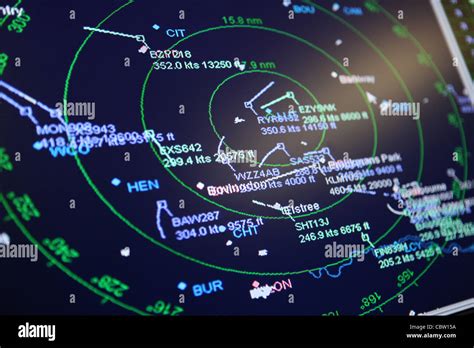
Fort Lauderdale-Hollywood International Airport serves millions of passengers annually and functions as an important operational base for JetBlue. At the same time, the region hosts a substantial general aviation community. Fort Lauderdale Executive Airport is located only a few miles away, and more than one hundred public-use airports operate throughout South Florida.
This concentration of aviation activity creates a complex environment where commercial jets, private aircraft, flight schools, business aviation operators, helicopters, and recreational pilots frequently share nearby airspace.
Most flights operate safely thanks to strict procedures, radar surveillance, and communication requirements. However, the sheer volume and diversity of traffic can increase the likelihood of conflicts when pilots fail to communicate effectively or operate unpredictably.
The ongoing investigation will likely examine whether the unidentified aircraft complied with applicable airspace regulations and whether communication failures contributed to the incident.
The Critical Role Of TCAS In Preventing Midair Collisions
Modern aviation’s impressive safety record owes much to systems designed specifically to prevent incidents like this one from becoming tragedies.
TCAS technology has repeatedly demonstrated its value since becoming mandatory on commercial passenger aircraft. Rather than relying solely on air traffic controllers, the system provides pilots with an independent layer of protection. When aircraft trajectories suggest a potential conflict, TCAS can issue immediate guidance, allowing crews to take corrective action within seconds.
The successful outcome of the Fort Lauderdale incident serves as a real-world example of how multiple safety layers work together. Air traffic control monitoring, pilot situational awareness, onboard collision-avoidance technology, and crew training collectively helped ensure that both aircraft remained safely separated.
Another Reminder Amid Growing Near-Miss Concerns
The JetBlue incident arrives during a period of heightened public attention on aviation near-misses across the United States. While commercial aviation remains extraordinarily safe, several high-profile events in recent years have sparked discussions about air traffic management, staffing levels, pilot performance, and operational complexity.
The FAA categorizes the most serious close-call events as Category A incidents, situations in which a collision was only narrowly avoided. Although the Fort Lauderdale encounter has not been classified within that category, it nevertheless joins a growing list of events drawing regulatory scrutiny.
Recent months have seen multiple investigations involving aircraft operating in close proximity, including incidents near New York’s John F. Kennedy International Airport and other major transportation hubs. JetBlue itself was involved in another notable close call in late 2025 when one of its aircraft encountered a military tanker operating with its transponder switched off.
For passengers aboard Flight 1256, the event ultimately ended without injury or damage. Yet the incident serves as another reminder that aviation safety depends upon constant vigilance from pilots, controllers, regulators, and technology systems alike. As investigators work to identify exactly what happened over South Florida, the successful response by the JetBlue crew stands as a testament to the effectiveness of modern collision-avoidance procedures and the training that supports them.