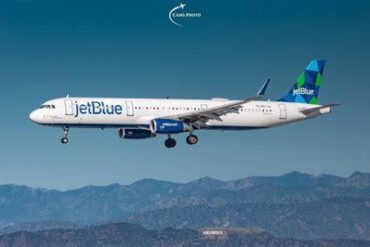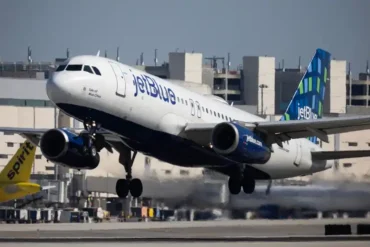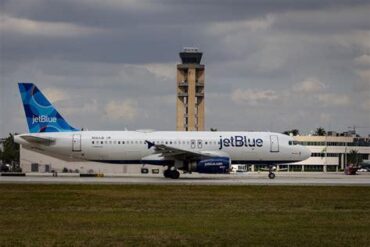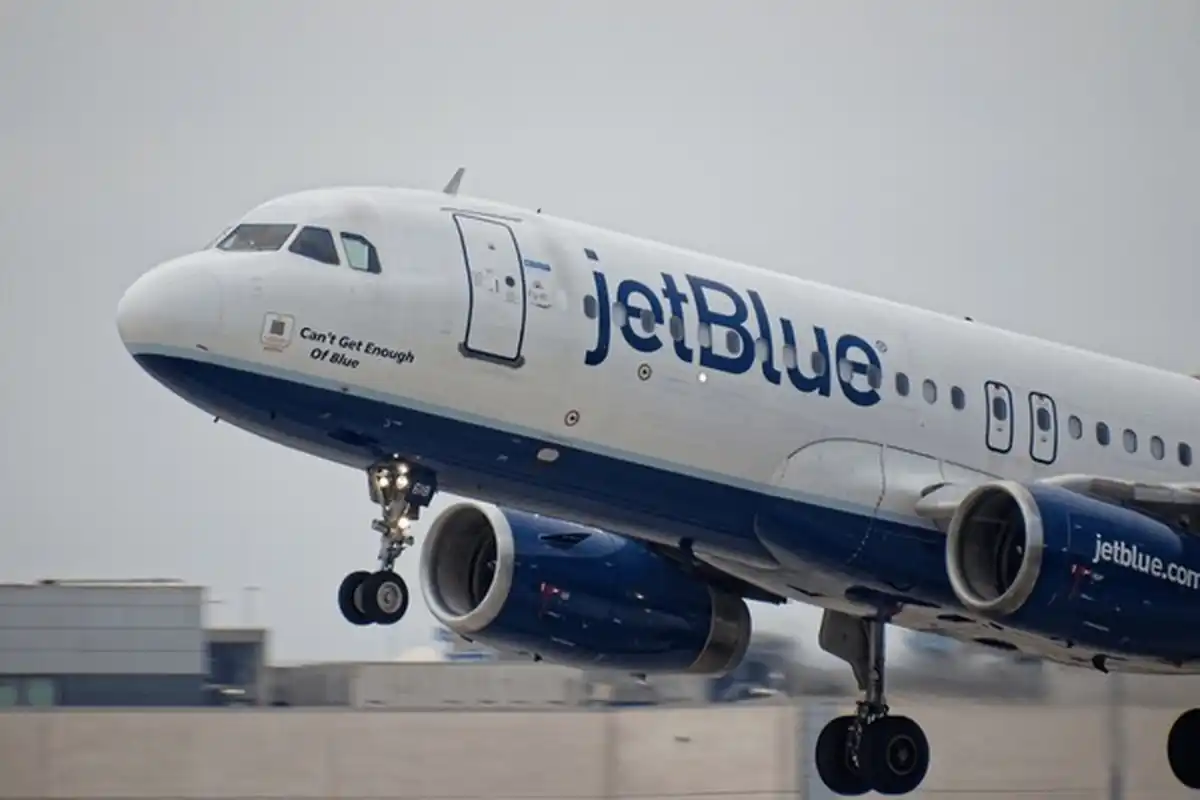
Fort Lauderdale-Hollywood International Airport (FLL) is witnessing a dramatic shift in dominance as JetBlue strategically consolidates its position amid Spirit Airlines’ restructuring. With an aggressive network expansion and a clear focus on increasing market share, JetBlue is transforming Fort Lauderdale into its new power hub, capitalizing on opportunities left in the wake of Spirit’s financial retreat.
JetBlue’s Strategic Surge in Fort Lauderdale
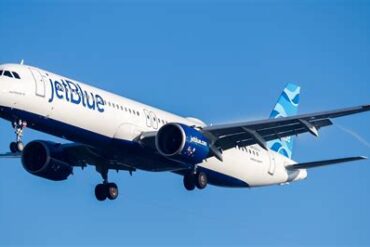
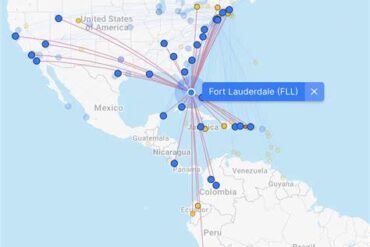
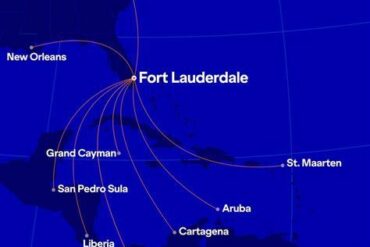
In a meticulously timed move, JetBlue has launched two new year-round nonstop routes from its Fort Lauderdale base, following the rollout of nine new routes in the prior two months. These expansions emphasize JetBlue’s strategic intent to solidify Fort Lauderdale as a core operational center. The newest additions—Dallas/Fort Worth International Airport and Orlando International Airport—aren’t just random destinations. They’re calculated links to other JetBlue strongholds, aligning perfectly with its broader network strategy.
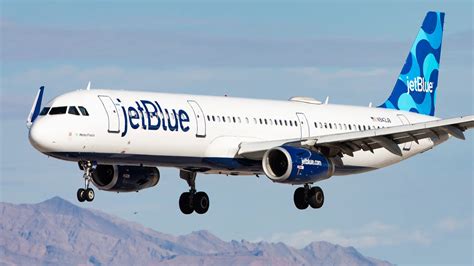
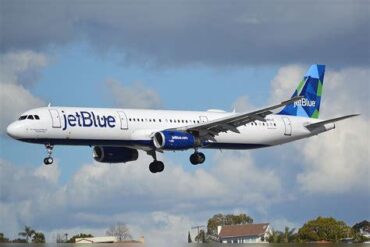
Starting March 12, JetBlue will fly daily to Dallas/Fort Worth using Airbus A320s, increasing frequency during Spring Break. This service is now confirmed to operate year-round, competing directly with American Airlines and Spirit. A second route connecting FLL to Orlando will begin on May 21, offering twice-daily service. At just 177 miles, the intra-Florida route is a high-demand corridor, especially during peak tourist seasons, providing an alternative to the congested I-95 and Florida Turnpike.
According to Dave Jehn, JetBlue’s Vice President of Network Planning:
“These additions reflect the momentum we’ve built in Florida and our continued investment in Fort Lauderdale as a key gateway in our network.”
The sentiment is clear: Fort Lauderdale is no longer just a focus city. It’s evolving into a cornerstone of JetBlue’s domestic and Caribbean strategy.
Spirit Airlines’ Retreat Creates a Power Vacuum
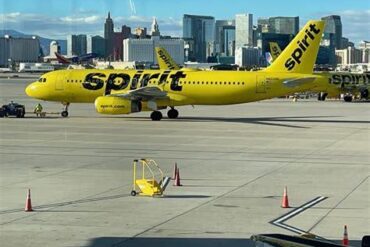
Fort Lauderdale’s low-cost carrier legacy, historically led by Spirit Airlines since 2002, has taken a significant hit. Spirit held an impressive 33% market share until recently, nearly double JetBlue’s 19%. However, Spirit’s August bankruptcy filing—its second in one year—marked a turning point. Facing an urgent need to cut costs and streamline operations, Spirit began rapidly downsizing its Fort Lauderdale operations.
JetBlue responded swiftly. Within days of Spirit’s announcement, it began adding new routes and increasing frequencies on existing ones, ensuring it capitalized on Spirit’s withdrawal.
By the Winter 2025–26 schedule, JetBlue’s daily flights will have surged from 133 to 165—a 24% year-over-year increase. Spirit, in contrast, will shrink its flights from 189 to 169, representing an 11% decrease. The shift is even more striking when looking at the Summer 2026 schedule:
- JetBlue: from 127 to 180 daily flights (+25%)
- Spirit: from 156 to 138 daily flights (–12%)
JetBlue’s growth trajectory ensures it will become Fort Lauderdale’s largest carrier, outpacing Spirit by a significant 30% in terms of daily flight operations. The transition isn’t just numerical—it marks a change in consumer perception and market leadership, positioning JetBlue as the go-to carrier for regional and international connectivity.
JetBlue’s New Routes: A Blueprint for Market Domination
JetBlue’s approach is not just about volume—it’s about smart network placement. The new Dallas and Orlando routes are a case in point. Dallas connects the East Coast with the business-heavy Texas market, while Orlando strengthens intra-state leisure traffic. These decisions are data-driven and reinforce high-demand corridors, reducing reliance on indirect routes and third-party carriers.
The use of Airbus A320s, known for their passenger comfort and fuel efficiency, gives JetBlue a competitive edge in both pricing and customer experience. On competitive routes like FLL–Dallas and FLL–Orlando, JetBlue is strategically positioned against incumbents like American, Spirit, and Southwest, offering an elevated product without compromising affordability.
Spirit’s Fleet Reductions: A Strategic Advantage for JetBlue
Spirit’s current restructuring strategy involves returning nearly 100 leased aircraft, dramatically shrinking its operational capacity. While Fort Lauderdale remains a vital and profitable market for Spirit, its inability to sustain aircraft deployment means even key hubs are being deprioritized. This opens the door wide for JetBlue to entrench itself in South Florida.
Notably, Spirit’s withdrawal isn’t isolated to Fort Lauderdale. JetBlue has replicated its expansion strategy in other traditional Spirit strongholds, particularly in Puerto Rico. At Luis Muñoz Marín International Airport (SJU), JetBlue has launched five new routes following Spirit’s network retreat.
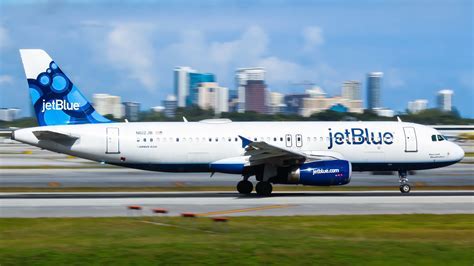
In Spring 2026, JetBlue will begin flights from SJU to:
- Buffalo (March 27)
- Jacksonville (March 13)
- Norfolk (March 27)
- Philadelphia (March 26)
- Richmond (March 26)
Meanwhile, Spirit has exited SJU routes to Houston, New Orleans, San Antonio, and has completely pulled out of Aguadilla and Ponce. These moves further entrench JetBlue as the dominant mainland–Puerto Rico carrier, boasting the widest network with 18 routes to San Juan alone.
The Bigger Picture: JetBlue’s Reinvention Through Aggression
JetBlue’s recent moves are not just opportunistic—they reflect a renewed identity and aggressive growth strategy. Fort Lauderdale and Puerto Rico represent only the beginning of a broader campaign to leverage market volatility into long-term strategic gains.
The airline’s “scissor hub” model—focusing on cities where it already has infrastructure and market recognition—allows for fast, low-cost expansion. By connecting these nodes with underserved or recently vacated routes, JetBlue maximizes asset utilization while minimizing risk.
Moreover, JetBlue’s growth comes amid a challenging macroeconomic backdrop for airlines, marked by high fuel costs, volatile demand, and labor pressures. In this environment, the ability to scale quickly and strategically sets JetBlue apart from other carriers who remain in a holding pattern.
Conclusion: A New Era for Fort Lauderdale and JetBlue
As Spirit Airlines contracts under the weight of restructuring, JetBlue is seizing the moment to reshape the power dynamics at Fort Lauderdale. What began as a measured expansion has evolved into a full-scale push for dominance, marked by intelligent route planning, strategic timing, and tactical aggression.
By Summer 2026, JetBlue won’t just be the biggest airline at Fort Lauderdale—it will be the undisputed king of South Florida’s low-cost market, and increasingly, a formidable force in the broader U.S. domestic and Caribbean travel landscape.
This reshuffling of market power underscores the importance of adaptability, foresight, and swift execution in the airline industry, and signals the arrival of a bolder, more assertive JetBlue on the national stage.