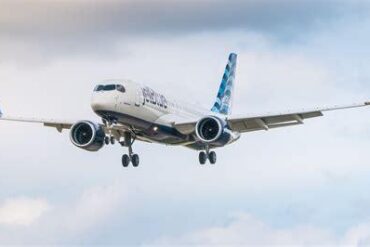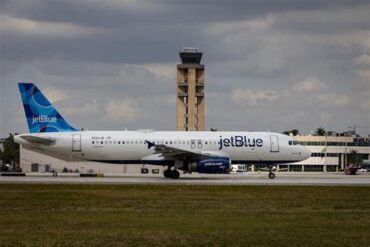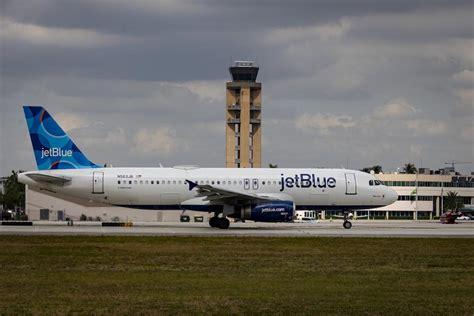
Fort Lauderdale-Hollywood International Airport is becoming increasingly central to JetBlue Airways’ long-term growth strategy, and the possibility of a dedicated airport lounge highlights how dramatically the airline’s business model is evolving. Recent comments from JetBlue President Marty St. George suggest that opening a lounge at Fort Lauderdale is no longer a distant concept but a logical next step for an airline seeking stronger premium revenue, deeper customer loyalty, and a more competitive position in one of America’s busiest aviation markets.
As airlines across the United States place greater emphasis on premium travelers, airport lounges have transformed from optional amenities into strategic assets. For JetBlue, whose historical identity was built around low fares and customer-friendly service, the development of a lounge network represents a broader shift toward attracting higher-spending passengers and strengthening long-term profitability.
Fort Lauderdale’s importance within that strategy continues to grow. The South Florida airport has developed into one of the nation’s most active travel gateways, serving millions of domestic and international passengers annually while functioning as a critical connection point for flights throughout the Caribbean and Latin America. With JetBlue holding a leading share of capacity at the airport, the case for premium infrastructure is becoming increasingly compelling.
Fort Lauderdale Has Become One of JetBlue’s Most Important Airports
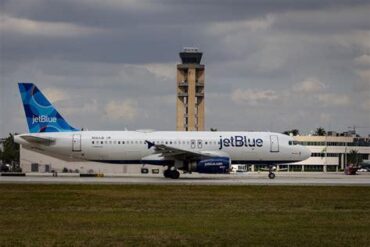
Fort Lauderdale-Hollywood International Airport has experienced remarkable growth over the past decade, evolving from a predominantly leisure-focused airport into a highly competitive aviation hub. The airport handled approximately 32.2 million passengers during 2025, maintaining its position among the busiest airports in the United States despite a slight moderation from the extraordinary post-pandemic travel surge.
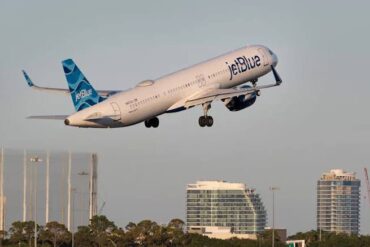
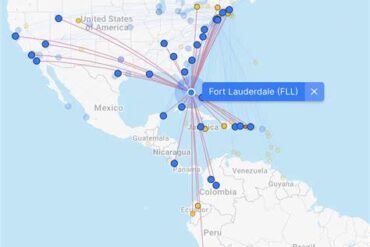
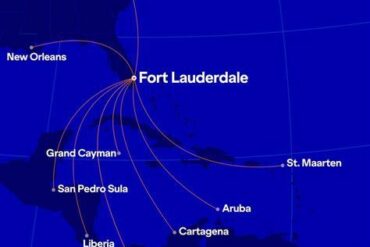
For JetBlue, Fort Lauderdale is far more than just another station within its network. The carrier operates an extensive schedule that can exceed 100 daily departures during peak travel periods, connecting South Florida travelers to destinations across the United States, the Caribbean, and Latin America. This scale gives the airline substantial visibility and influence within the airport.
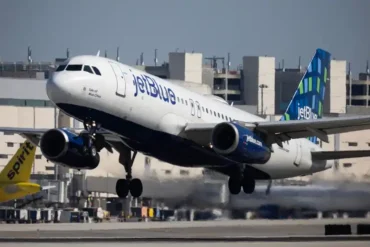
Competition remains intense. Spirit Airlines, Southwest Airlines, Delta Air Lines, and other major carriers all maintain significant operations at Fort Lauderdale. As airlines battle for market share, passenger loyalty has become increasingly important, particularly among travelers who fly frequently and generate higher revenue.
The existence of a dedicated JetBlue lounge would provide a powerful tool for differentiating the airline from competitors while reinforcing its position as the airport’s leading carrier.
Marty St. George Sees a Clear Business Case
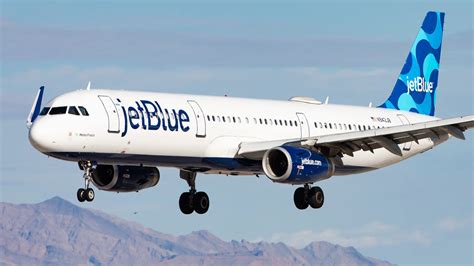
JetBlue President Marty St. George recently addressed the prospect of a Fort Lauderdale lounge and made it clear that both the airline and airport leadership recognize the opportunity.
According to St. George, airport officials are supportive of the concept, and the size of JetBlue’s operation makes the idea increasingly practical. The primary challenge appears to be finding an appropriate location within the airport rather than determining whether sufficient demand exists.
His comments are significant because they acknowledge a changing customer profile at Fort Lauderdale. While the airport has traditionally been associated with leisure travel and low-cost carriers, it now accommodates a growing population of premium travelers who expect elevated airport experiences before departure.
For these customers, lounge access is often viewed as an essential part of the travel journey rather than a luxury. Quiet seating areas, dedicated workspaces, food and beverage offerings, and a more comfortable environment can influence airline choice, especially among frequent flyers.
JetBlue’s Premium Strategy Is Reshaping the Airline
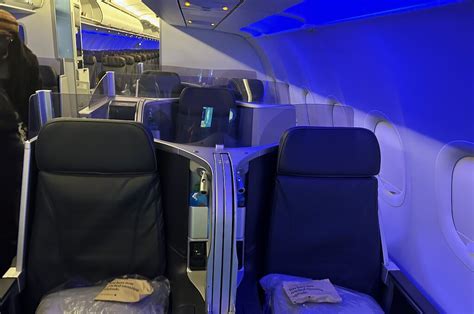
The potential lounge announcement aligns closely with JetBlue’s broader transformation. Over recent years, the airline has invested heavily in its Mint premium cabin product, expanding availability on transcontinental routes and selected Florida services.
Mint has become one of JetBlue’s most important competitive advantages. The premium cabin allows the carrier to compete directly with legacy airlines for travelers willing to pay significantly higher fares in exchange for enhanced comfort and service.
At the same time, JetBlue has been reevaluating its network strategy and concentrating resources in markets where it can generate stronger returns. South Florida has emerged as one of those key regions.
This shift comes amid substantial financial pressure. The airline has recorded multiple years of losses since 2020, including a reported net loss approaching $600 million during 2025. These financial realities have increased the urgency of building revenue streams beyond traditional ticket sales.
Premium cabins, loyalty programs, co-branded credit cards, and airport lounges all play interconnected roles in this strategy. Rather than focusing solely on passenger volume, JetBlue is pursuing customers who deliver greater lifetime value and stronger profitability.
Why Airport Lounges Matter More Than Ever
Across the airline industry, lounges have become critical components of customer retention strategies. Major carriers increasingly use lounge access to strengthen relationships with elite frequent flyers and premium credit card holders.
The economics extend well beyond the lounge itself. Travelers who regularly use lounges often become more engaged with airline loyalty programs, accumulate more points, and spend more through co-branded credit cards. These activities generate valuable revenue streams that can remain resilient even during periods of travel demand fluctuations.
Industry trends demonstrate that premium travel experiences now influence purchasing decisions to a much greater degree than in previous decades. Many travelers compare airlines not only by schedule and fare but also by the quality of the overall journey.
A JetBlue lounge at Fort Lauderdale would therefore serve multiple objectives simultaneously. It would enhance customer satisfaction, encourage loyalty program engagement, support premium fare sales, and strengthen the airline’s competitive position within South Florida.
Fort Lauderdale’s Growth Supports the Investment
The long-term outlook for Fort Lauderdale further strengthens the business case. The airport continues to attract substantial passenger traffic and remains one of Florida’s most important aviation gateways.
Future growth projections suggest passenger numbers could climb significantly over the coming decade, potentially approaching 45 million annual travelers by the mid-2030s. Such expansion would create a larger pool of potential lounge users and increase demand for premium airport amenities.
Even relatively modest adoption rates among JetBlue customers could support healthy lounge utilization levels. Given the airline’s dominant presence at the airport, a single well-positioned facility could serve a substantial number of travelers every day.
The airport’s strong mix of leisure passengers, business travelers, international visitors, and connecting customers creates an environment where premium services can thrive despite broader fluctuations in travel demand.
A Defining Step in JetBlue’s Evolution
A Fort Lauderdale lounge would represent more than just a new passenger amenity. It would symbolize JetBlue’s continued evolution from a carrier primarily associated with low fares into a more diversified airline focused on premium revenue generation.
The company already considers New York and Boston foundational markets for its premium ambitions. Adding Fort Lauderdale to that group would establish a powerful three-city framework supporting JetBlue’s long-term commercial strategy.
As competition intensifies throughout Florida and airlines continue investing in premium ground experiences, JetBlue faces increasing pressure to match or exceed customer expectations. A dedicated lounge would help close competitive gaps while reinforcing the airline’s commitment to higher-yield travelers.
With airport leadership reportedly supportive and JetBlue executives openly discussing the opportunity, the question may no longer be whether a Fort Lauderdale lounge makes sense. The focus now appears to be on finding the right space to bring that vision to life, potentially marking the next major milestone in JetBlue’s premium transformation.