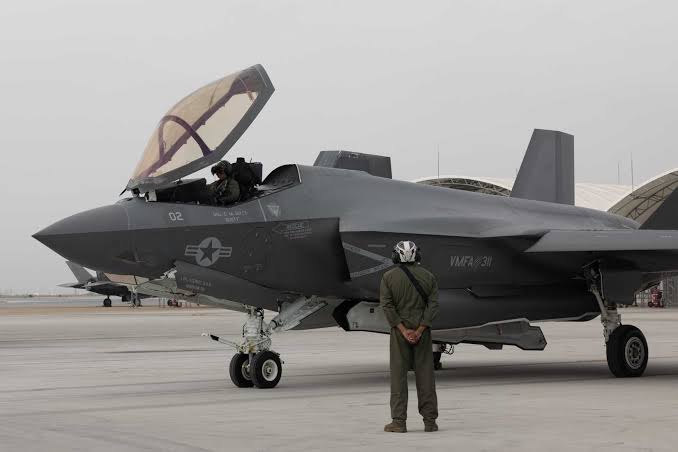
Becoming a Royal Navy pilot is one of the most demanding aviation careers in the United Kingdom. These officers are responsible for operating advanced aircraft in some of the world’s most challenging environments, from maritime patrol missions to carrier-based operations. Their careers combine military discipline, aviation expertise, and leadership responsibilities, which are reflected in their salary structure and benefits package.
Unlike civilian pilots, Royal Navy aviators do not simply earn money based on flight hours. Their compensation is built around a combination of rank-based salary, aviation pay, operational allowances, deployment benefits, and long-term military rewards. This means earnings can increase significantly as pilots gain experience, qualify on advanced aircraft, and move into senior leadership positions.
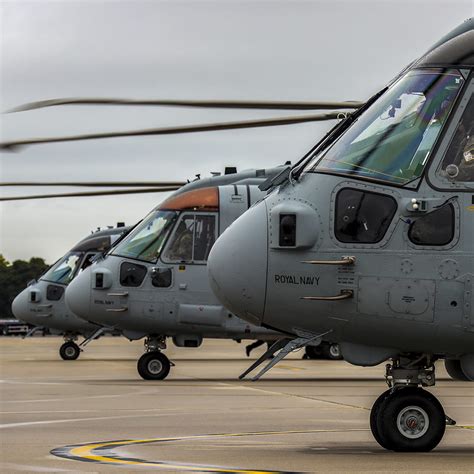
In 2026, Royal Navy pilots begin their careers with competitive military pay while receiving extensive training. From their first day as aviation officers, they earn a salary while developing the skills needed to operate helicopters and fixed-wing aircraft. Over time, promotions and specialist qualifications can transform an entry-level salary into a highly rewarding career package.
The exact earnings of a Royal Navy pilot depend on several factors, including rank, years of service, aircraft type, operational duties, and additional aviation payments. A trainee pilot will naturally earn less than an experienced Commander leading a squadron, but every stage of the career provides financial progression and valuable benefits.
Starting Salary for Royal Navy Pilots During Flight Training
The first step in a Royal Navy pilot’s career begins during officer training and flight instruction. Unlike many civilian aviation pathways where students must pay significant costs to gain qualifications, Royal Navy pilots receive a salary while they train.
According to Royal Navy career information, trainee pilots start with an annual salary of approximately £34,676 ($45,724). This special aviation pay structure recognizes the demanding nature of naval aviation training and the responsibility placed on future Fleet Air Arm officers.
During this period, candidates complete a series of challenging stages. They begin with naval officer training before progressing into aviation instruction, where they learn aircraft handling, navigation, tactical procedures, and maritime operations. Training prepares them for the realities of flying from naval bases, ships, and potentially aircraft carriers.
| Career Stage | Approximate Annual Salary |
|---|---|
| Pilot trainee | £34,676 ($45,724) |
| Qualified Sub-Lieutenant pilot | £41,456+ ($54,664) |
| Lieutenant pilot | £52,815 ($69,642) |
| Experienced aviation officers | Up to £94,013+ ($123,966) |
| Senior officers | Up to £122,849 ($161,989) |
The initial salary represents only the foundation of a Royal Navy pilot’s compensation. As pilots complete training and begin operational flying, additional payments become available, increasing their overall earnings.
Royal Navy Pilot Salary After Qualification as a Sub-Lieutenant
After successfully completing flight training, Royal Navy pilots move into operational roles and typically hold the rank of Sub-Lieutenant. At this stage, they become qualified aircrew members and begin flying missions within frontline Fleet Air Arm units.
A qualified Sub-Lieutenant Royal Navy pilot earns at least £41,456 ($54,664) per year. This increase reflects the transition from trainee status to operational responsibility. Pilots are no longer simply learning aircraft systems; they are now contributing to real-world missions.
At this career stage, pilots may operate helicopters such as the Wildcat or Merlin, or progress toward fixed-wing aviation roles. Their responsibilities include mission preparation, tactical decision-making, aircraft management, and working alongside naval forces.
Beyond salary, Sub-Lieutenants receive a broad range of military benefits. These include subsidized accommodation, travel support, meals during deployments, healthcare coverage, and paid annual leave. Royal Navy personnel also typically receive around six weeks of paid holiday, which is significantly higher than many civilian employment packages.
The combination of salary and benefits makes the early career stage financially stable while pilots continue developing their aviation skills.
Lieutenant Royal Navy Pilot Earnings and Career Growth
Promotion to Lieutenant represents one of the most important milestones in a Royal Navy pilot’s career. By this point, pilots have completed advanced training, gained operational experience, and started taking on greater responsibilities within their squadrons.
A Lieutenant Royal Navy pilot earns approximately £52,815 ($69,642) annually. However, their total compensation can be considerably higher because experienced aviators may qualify for additional aviation-related payments and allowances.
Lieutenants often participate in complex naval operations, including maritime security missions, reconnaissance flights, transport operations, and support missions for Royal Marines. They may also begin mentoring junior pilots and assisting with squadron planning.
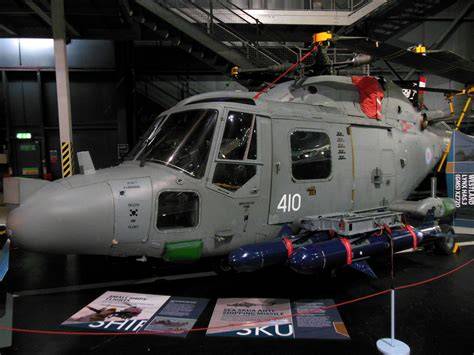
The role requires more than flying ability. Pilots must demonstrate leadership, tactical awareness, and the ability to make decisions under pressure. These skills become increasingly important as they progress toward senior officer positions.
At this stage, Royal Navy pilots also gain access to further qualifications and specialist training. Advanced certifications and operational experience can improve career progression and increase earning potential.
Mid-Career Royal Navy Pilot Salaries and Additional Aviation Pay
Experienced Royal Navy pilots often see the largest growth in their overall compensation during the middle stages of their careers. While their official rank salary increases gradually, additional aviation payments can significantly improve total earnings.
Royal Navy aviators may receive Aviation Incentive Pay (AvIP) or similar flying-related allowances for maintaining operational flying duties. These payments reward pilots for the complexity, skill requirements, and risks associated with military aviation.
A pilot flying advanced aircraft, completing specialized missions, or operating in challenging environments may receive additional compensation. Deployments, hazardous duties, and specialist qualifications can all influence final earnings.
At this stage, some Royal Navy pilots have the potential to earn around £94,013 ($123,966) before transitioning into standard senior officer pay structures. With additional payments and allowances, experienced aviators may exceed £117,500 ($154,936) annually.
The financial progression reflects the increasing responsibility of mid-career pilots. They are no longer only aircraft operators; they become instructors, mission planners, and leaders responsible for developing the next generation of naval aviators.
Carrier-Based Royal Navy Pilot Salaries and Aircraft Operations
Flying from an aircraft carrier is among the most demanding roles available within naval aviation. Carrier pilots must perform precise takeoffs and landings on moving ships while dealing with changing weather conditions, limited space, and high operational pressure.
Royal Navy carrier-based pilots begin with the same aviation pay structure as other trainee pilots, starting at approximately £34,676 ($45,724). However, their operational environment can lead to additional allowances linked to deployments, specialist training, and hazardous duties.
Carrier aviation requires exceptional skill and constant preparation. Pilots operating aircraft such as the F-35B Lightning undergo extensive training to master advanced systems and short takeoff and vertical landing procedures.
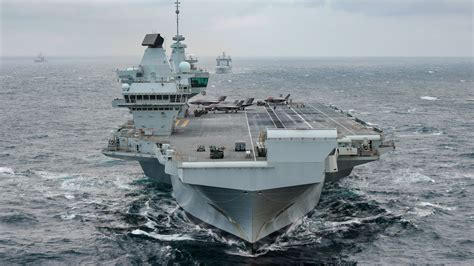
The demanding nature of carrier operations means these pilots often receive additional recognition through career opportunities, specialist qualifications, and operational incentives. Their compensation reflects not only their flying ability but also the strategic importance of naval aviation.
Helicopter and Fixed-Wing Royal Navy Pilot Pay Differences
Royal Navy pilots operate different aircraft types, and their missions vary significantly. Helicopter pilots often focus on anti-submarine warfare, transport, surveillance, and search-and-rescue operations. Fixed-wing pilots typically perform strike missions, reconnaissance, and carrier operations.
However, aircraft type alone does not determine salary. The main factors influencing earnings are rank, experience, flying status, operational duties, and specialist qualifications.
A helicopter pilot flying demanding maritime missions may receive similar compensation to a fixed-wing pilot at the same rank. Meanwhile, a pilot assigned to advanced aircraft or high-risk deployments may receive additional allowances.
This structure ensures that Royal Navy pilots are rewarded based on responsibility and operational requirements rather than simply the aircraft they fly.
Senior Royal Navy Pilot Salaries: Lieutenant Commander, Commander, and Captain
As Royal Navy pilots progress into senior officer ranks, their responsibilities shift from primarily flying missions to managing operations, leading personnel, and planning strategic activities.
A Lieutenant Commander pilot typically has significant operational experience. They may oversee training programs, coordinate missions, and support squadron leadership. Their exact salary varies depending on rank progression and service history, but it is higher than the Lieutenant level of £52,815.
At the highest levels, Royal Navy pilots can become Commanders and Captains. These officers may lead entire squadrons, manage aviation units, and make decisions affecting large-scale naval operations.
Senior Royal Navy pilots can earn up to £122,849 ($161,989) per year in base salary. Additional aviation payments, deployment allowances, and specialist incentives can further increase their total compensation.
The move into senior leadership demonstrates that a Royal Navy pilot’s career is not only about flying aircraft. It is also about developing into a military leader capable of managing complex aviation operations.
Total Compensation and Benefits for Royal Navy Pilots in 2026
Salary is only one part of the overall compensation package available to Royal Navy pilots. Military benefits provide significant additional value throughout their careers.
Royal Navy pilots receive healthcare support, dental care, subsidized accommodation, travel assistance, meals during operations, and access to fitness facilities. They also benefit from professional development opportunities and advanced training programs.
For deployed personnel, many living expenses are covered while serving overseas or at sea. This reduces personal costs and increases the practical value of their military earnings.
Experienced pilots can achieve total annual compensation exceeding £117,500, while senior officers may earn even more through base pay and additional allowances. These figures highlight why naval aviation remains an attractive career choice for those seeking adventure, responsibility, and long-term financial stability.
A Rewarding but Challenging Aviation Career
The salary structure of Royal Navy pilots in 2026 reflects the unique demands of military aviation. From the first day of training to command-level positions, pilots receive increasing financial rewards as their skills and responsibilities grow.
A starting salary of £34,676 provides a strong foundation, while experienced officers can progress toward six-figure earnings through promotions, aviation incentives, and operational experience. Combined with extensive benefits and opportunities to fly some of the world’s most advanced aircraft, the Royal Navy pilot career remains one of the most distinctive aviation professions available.
For those willing to accept the challenges of military service, the Fleet Air Arm offers not only competitive pay but also a career built around leadership, technology, and extraordinary flying experiences.