Canada’s second-largest airline, WestJet, is facing a major operational challenge as nearly 4,400 flight attendants prepare for possible strike action after contract negotiations reached an impasse. With less than 72 hours before a potential walkout, the dispute threatens to disrupt thousands of passengers during one of the busiest travel periods of the year, including the upcoming civic holiday weekend.
The labor conflict centers on a long-running issue involving unpaid work hours for cabin crew members. The Canadian Union of Public Employees (CUPE), which represents WestJet’s flight attendants, is pushing for compensation from the moment crew members report for duty until they officially finish their shifts. Under the current agreement, flight attendants are primarily paid based on flight time rather than the full duration of their workday.
The dispute reflects a broader concern across the North American aviation industry, where cabin crews have increasingly challenged traditional pay structures. Flight attendants argue that many essential responsibilities, including pre-flight preparation, boarding procedures, safety checks, and post-flight duties, require significant time that is not fully compensated.

WestJet Strike Threat Could Affect Peak Summer Travel
A strike would create significant uncertainty for passengers traveling during one of the busiest periods on the Canadian aviation calendar. WestJet operates approximately 30% of Canada’s domestic flights, meaning a large-scale labor disruption could have widespread effects on routes connecting major cities across the country.
The airline’s mainline fleet includes more than 150 aircraft, consisting primarily of Boeing 737 family jets along with long-haul Boeing 787-9 Dreamliners. These aircraft support domestic, transborder, and international services, making cabin crew availability essential to maintaining normal operations.
The potential strike notice does not automatically mean flights will stop. Instead, it provides formal notification that industrial action could legally begin as early as 12:01 AM on August 2 if no agreement is reached. Negotiations remain active, and both sides have emphasized that avoiding disruption remains the preferred outcome.
CUPE President Alia Hussain has stated that flight attendants remain committed to reaching a fair agreement without taking strike action. However, she indicated that major disagreements remain between the union and WestJet regarding compensation and working conditions.
“We have been clear about what needs to change, and we have worked hard to reach a fair deal,” Hussain said, emphasizing that negotiations would continue around the clock in an effort to resolve the dispute.
Government Mediation Enters WestJet Labor Negotiations
As tensions increased, the Canadian government appointed a mediator to assist both sides in accelerating negotiations. Mediation is often used in airline labor disputes because prolonged disagreements can quickly affect thousands of travelers and create significant economic consequences.
WestJet has also responded to the strike notice, expressing disappointment over the escalating situation. Chief Executive Officer Alexis von Hoensbroech said the company regretted the uncertainty created for passengers and described the decision to issue further labor action notices as a serious development.
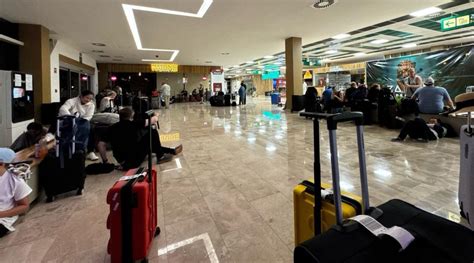
The airline and union are under pressure to reach an agreement before the deadline arrives. A strike during the holiday weekend could create a difficult scenario for travelers, especially those with connecting flights, family commitments, or international travel plans.
However, the impact would not necessarily extend to every WestJet passenger. The possible strike applies only to mainline WestJet operations and does not include flights operated by WestJet Encore, the airline’s regional subsidiary.
WestJet Introduces Flexible Options for Passengers
To reduce disruption if strike action occurs, WestJet has introduced more flexible travel options for affected customers. The airline is allowing eligible passengers to modify their travel plans without additional fees, giving travelers more control during the uncertainty.
Passengers booked on codeshare flights with partner airlines, including services operated through agreements with carriers such as Delta Air Lines, are expected to remain unaffected. If cancellations occur, WestJet has stated that impacted customers will be offered alternative arrangements or refunds according to applicable policies.
The airline is also preparing operational measures for crew members who may be displaced from their home bases. These employees may receive hotel accommodations or transportation assistance to return to other Canadian cities, depending on availability.
A Critical Moment for Canada’s Aviation Industry
The WestJet labor dispute highlights growing pressure within the aviation industry over employee compensation, working conditions, and the changing expectations of airline workers. While airlines continue to focus on efficiency and cost control, flight attendants argue that their responsibilities extend far beyond the time an aircraft is in the air.
For passengers, the immediate concern remains whether negotiations can succeed before the strike deadline arrives. A resolution would prevent widespread travel disruption and allow WestJet to maintain normal operations during the peak summer season.
Both WestJet and CUPE have indicated that discussions are continuing, leaving open the possibility of a last-minute agreement. With thousands of employees involved and millions of travel plans potentially affected, the outcome of these negotiations will be closely watched across Canada’s aviation sector.