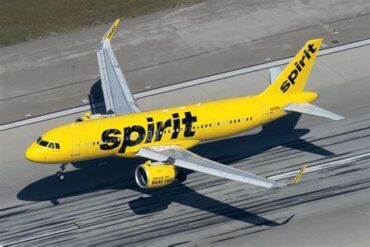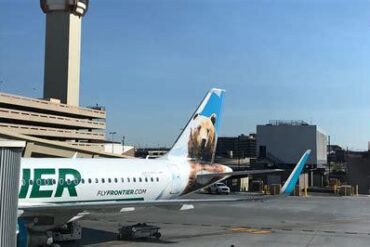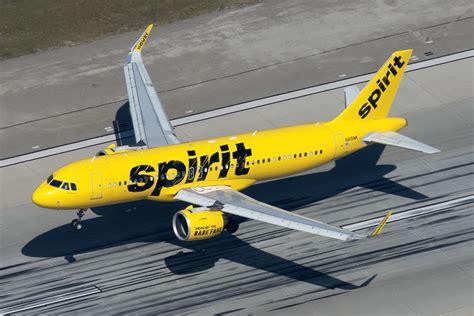
Spirit Airlines’ ongoing financial crisis has pushed the carrier into an unprecedented phase of fleet downsizing, and the knock-on effects are rippling through the global narrowbody market. The airline is now seeking court approval to cancel 87 aircraft leases, a sweeping move that includes both A320neo and A320ceo models from 16 separate lessors. What makes this contraction extraordinary is not just the scale, but the stark reality that many of these nearly new A320neos—some less than three years old—may end up being dismantled for parts rather than returned to service.
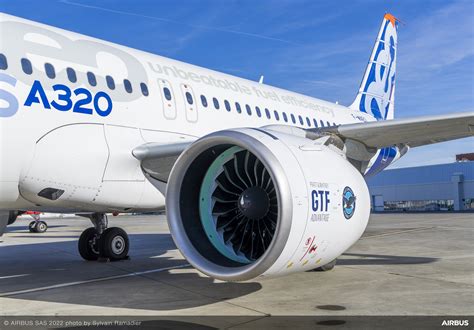
This situation stems from the perfect storm of Spirit’s financial vulnerabilities and a global engine crisis that has left the aviation industry grappling with an acute shortage of serviceable Pratt & Whitney PW1100G-JM geared turbofan engines. These engines, standard on Spirit’s later-generation Airbus narrowbodies, have been burdened with extensive manufacturing issues, recalls, and high failure risks tied to contaminated metal used in critical rotating components. The resulting inspection requirements, removal mandates, and repair queues have caused massive groundings across airlines worldwide.
Lessors holding Spirit’s returned jets now face the hard math of the engine market—because a single upgraded PW1100G-JM engine, fully overhauled and cleared of known defects, can yield outsized returns in today’s scarcity-driven environment. Dismantling the aircraft offers a more lucrative, faster, and less risky path than waiting months or years for repair slots that remain heavily backlogged.
A Shrinking Fleet and the Economics of Parting-Out Nearly New Jets
Spirit’s withdrawal of these aircraft has created a ripple effect that exposes deeper fault lines in the commercial aviation ecosystem. While aircraft of this age typically command strong lease rates, the PW1100G-JM situation has inverted the expected economics. According to data reported by Ishka, at least 19 A320-family aircraft have already been disassembled, and industry sources anticipate as many as 10 more A320neos entering the part-out market by early next year—potentially including units from India’s IndiGo, the world’s largest A320neo operator.
The underlying reason is brutally simple: an intact A320neo with an unserviceable or recalled GTF engine is worth far less than its components. High-value items like landing gear assemblies, avionics units, auxiliary power units, and especially engines can collectively surpass the resale value of the aircraft as a whole. With operators queuing for replacement GTF units and overhaul lines jammed through 2026, demand for spare engines has created a seller’s market unlike anything the narrowbody world has seen in decades.
Pratt & Whitney’s Engine Turmoil and the Global Fallout
Pratt & Whitney’s credibility has been tested since the first alarming signs emerged in March 2020, when an uncontained engine failure triggered deeper metallurgical analysis. By July 2023, the company publicly acknowledged that parts manufactured between 2015 and 2021 contained impurities that could cause premature failures. This set in motion the recall that has grounded nearly a third of the global A320neo fleet, with hundreds of aircraft awaiting inspection, disassembly, and replacement of questionable components.
The timeline for repairs has been punishing. RTX, P&W’s parent company, has poured money into compensation agreements and expanded overhaul capacity, but the global pipeline remains choked. Airlines reliant on the GTF engine family—including Spirit—have faced cascading operational disruptions, reduced schedules, and mounting financial pressure as aircraft sit idle for months.
A Carrier Fighting for Survival in 2025
For Spirit Airlines, the engine crisis is only one strand in a much larger web of existential challenges. After emerging from its first round of bankruptcy petitions in March 2025, the airline was expected to begin a recovery trajectory through fleet restructuring and route optimization. Instead, continued losses forced a return to bankruptcy court by August.
The airline’s low-cost model—which thrived pre-pandemic—has suffered in a travel landscape where consumers gravitate toward upgraded economy products and larger network carriers aggressively match LCC pricing while offering superior reliability. Spirit’s attempts to merge with Frontier and later JetBlue were blocked by regulators, cutting off the most viable path to scale. The carrier subsequently reported staggering losses: $246 million in Q2 2025 and a devastating $586 million in Q3.
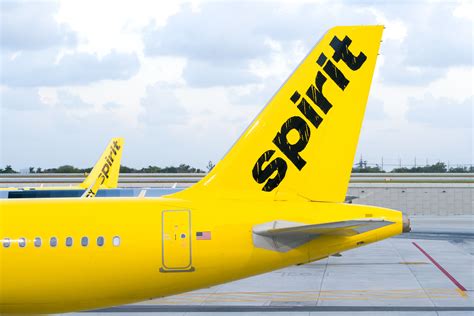
The Bigger Picture: What Scrapping Spirit’s A320neos Means for the Industry
If a significant number of Spirit’s grounded A320neos end up dismantled, the implications will be profound. The A320neo family is Airbus’s flagship narrowbody and ordinarily enjoys one of the strongest value-retention profiles in commercial aviation. Seeing nearly new aircraft scrapped exposes just how distorted the current engine market has become.
This could mark the beginning of a deeper recalibration in narrowbody economics, where engine availability—not airframe age or configuration—dictates value. For lessors, the episode may trigger reevaluation of long-term exposure to the PW1100G-JM program. For airlines, it underscores how the right aircraft powered by the wrong engine can produce a fleet planning crisis that reverberates across balance sheets, schedules, and strategic roadmaps.
Spirit Airlines’ next steps will determine whether the carrier can stabilize through leaner operations or if this phase of aggressive lease cancellations is a prelude to more drastic restructuring. The fate of its rejected A320neos may ultimately stand as a case study in how quickly modern, fuel-efficient aircraft can be devalued when a critical component becomes a choke point for global operations.
In a market shaped by engine shortages, grounded fleets, and unprecedented scrapping of next-generation jets, the situation serves as a stark reminder: in commercial aviation, reliability is the currency that determines survival.