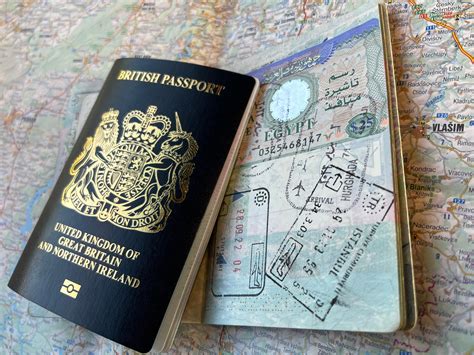
Millions of British travellers are bracing for a substantial passport renewal fee surge, as the UK government seeks urgent measures to tackle a rapidly escalating budget deficit. According to the National Audit Office, HM Passport Office is facing a staggering £223 million shortfall in the past year alone, contributing to a total five-year deficit of nearly £916 million. This financial strain has prompted serious discussions within the Cabinet Office and Home Office regarding an immediate upward revision of passport fees, projected to reach as high as £32 per renewal.
The proposed fee hike comes amid a backdrop of mounting fiscal pressure across public services, with the UK Treasury reporting a broader gap of £340 million across critical departments, including health, education, and border control. This shortfall has raised alarms not just among economists but also among millions of UK holidaymakers, many of whom are already grappling with rising airfares, accommodation costs, and post-Brexit travel constraints.
Government’s Financial Strain Hits Travellers Where It Hurts Most
The timing of this proposed fee hike is drawing widespread criticism. With summer travel season in full swing, the increase could affect families, students, and frequent travellers alike. Historically, UK passport fees have seen incremental adjustments to reflect inflation or service improvements. However, the current situation marks a fundamental shift—from a service-based pricing model to one centered on debt recovery and budget patching.
Officials at HM Passport Office claim the current renewal cost does not fully cover the actual cost of processing, manufacturing, and delivering passports. The gap has grown wider with increased international demand, staffing issues, and a backlog caused by earlier pandemic-era delays. A senior Whitehall insider noted, “This isn’t about profiteering; it’s about survival. Passport services cannot continue at a loss without jeopardizing other national security functions.”
Still, critics argue that rather than targeting citizens with new charges, the government should focus on eliminating inefficiencies, improving procurement processes, and reducing consultant dependency across departments.
Public Reaction: Frustration Amid Shrinking Travel Affordability
The response among British citizens has been swift and overwhelmingly negative. For many, the passport renewal process already presents logistical challenges due to appointment shortages and processing delays. Adding a steep renewal fee further strains the cost of international travel.
Social media platforms are awash with backlash. One frequent flyer tweeted, “First they make travel more complicated post-Brexit. Then they raise taxes. Now this? It’s like they’re punishing us for wanting to see the world.” A family of five renewing passports before a summer trip to Spain would now face an additional £160 in fees, a cost that could force them to reconsider or delay their plans.
Industry Analysts Warn of Ripple Effects on Tourism and Airlines
Tourism experts warn that rising passport fees, combined with already inflated travel costs, could result in dampened outbound travel demand. UK-based airlines, many of which rely on strong seasonal traffic to European holiday destinations, are watching these developments with concern.
Analyst Rupert Thorne of TravelLogic Insights noted, “While £32 may not seem like much to some, it creates a psychological barrier for price-sensitive travelers, especially in the lower-income segments. Every layer of cost added to travel affects demand elasticity, particularly in discretionary travel.”
As travel becomes costlier, domestic tourism may see a slight boost, but that trend also places pressure on local infrastructure, particularly in popular areas like Cornwall, Lake District, and Devon, which are already struggling with overtourism during peak months.
HM Passport Office’s Budget Crisis: A Closer Look
The roots of the deficit lie deeper than the passport system itself. HM Passport Office is part of a wider ecosystem that includes border enforcement, immigration vetting, consular assistance abroad, and document fraud prevention. Each of these functions has seen rising operational costs, many of which have not been matched with equivalent budget increases from the Treasury.
The NAO report highlights inefficiencies and administrative bottlenecks, especially in contractor oversight and IT infrastructure investment. A key finding is that £142 million was spent on legacy software maintenance, while newer systems have yet to demonstrate sufficient return on investment.
These costs have eroded the department’s ability to operate without additional revenue, pushing ministers to pass the burden onto citizens instead.

Austerity Politics and Passport Fees: Political Fallout Looms
The move to increase passport renewal charges is part of a broader fiscal policy shift under Chancellor of the Exchequer, which increasingly favors user-pay models across public services. From NHS dental surcharges to student loan repayment recalibrations, the trend reflects a government attempting to offload cost responsibility from the state to the individual.
However, this strategy risks becoming politically toxic. With a general election on the horizon and discontent brewing over inflation, interest rates, and stagnant wages, the passport fee issue could serve as a lightning rod for broader frustration.
Labour MPs have already seized the opportunity, accusing the government of “squeezing the middle class while subsidizing bureaucratic waste.” Shadow Home Secretary Rachel Blackwood stated in Parliament, “Instead of asking why families are paying more, the government should ask why its departments are doing less with more.”
No Relief for Travellers Amid Climbing Global Travel Costs
The cost of international travel has soared in the past two years, fueled by high fuel prices, supply chain issues, and the end of pandemic-era travel discounts. The UK is no exception. Data from ABTA – The Travel Association indicates a 12% increase in average package holiday prices from 2023 to 2025.
Budget airlines have raised fees on baggage, seating, and ticket changes, while airport taxes have crept upward. Combine this with a weak pound against the euro and US dollar, and the overall cost of a foreign holiday for British families is approaching prohibitive levels.

In this context, a passport fee hike may be seen not as a mere administrative adjustment, but as the final straw in what many see as an unsustainable travel environment.
Who Will Be Hit Hardest by the New Fees?
The brunt of the new charges is expected to fall on:
- Families with children, who often renew multiple passports at once.
- Young travellers and gap year students, many of whom operate on tight budgets.
- Retirees on fixed incomes planning long-awaited holidays.
- British expats, especially those needing to renew documents from abroad, where processing can be slower and fees higher.
There is also concern that migrant communities and asylum seekers—often required to submit multiple identity documents—may encounter disproportionate financial stress due to the increases.
Is There a Way Forward Without Penalising Citizens?
Policy analysts have floated alternative solutions, such as:
- Tiered pricing based on income level or usage frequency.
- Implementing digital passport renewal discounts to streamline costs.
- Exploring public-private partnerships for non-sensitive passport logistics.
- Greater transparency in expenditure breakdowns to justify pricing structures.
So far, no such options have gained traction within the Cabinet, where urgency to close budget gaps appears to override long-term strategic reform.
A Passport to Pay More: What Travellers Should Do Now
With no official date set for the fee hike, but momentum rapidly building, travellers are advised to act promptly. Those with passports expiring within the next 18 months should consider renewing now to avoid the increased charges.
Expedited appointments at regional passport offices are already seeing a surge in bookings, and some insiders predict longer processing times as demand spikes ahead of the announcement.
Citizens should also remain wary of third-party services charging inflated fees for application processing. The UK government’s official passport site remains the safest and most cost-effective channel.
The looming passport fee surge underscores a growing divide between state financial management and the lived experience of everyday citizens. While the government faces undeniable challenges in closing its fiscal gaps, the chosen solutions must not come at the expense of public trust or equitable access to basic documentation. As the travel season heats up, so too does the pressure on ministers to strike a balance that is both financially sustainable and socially fair.