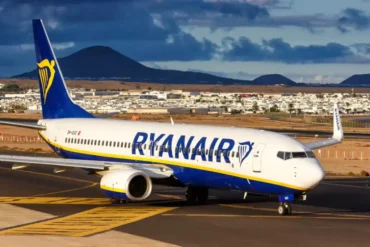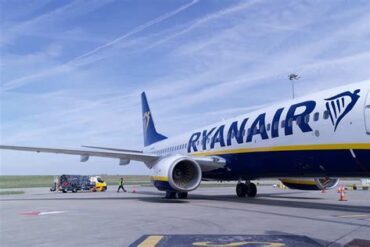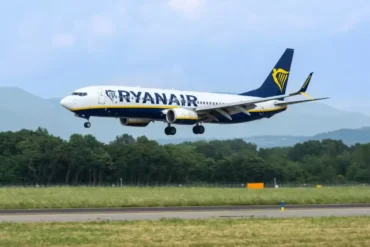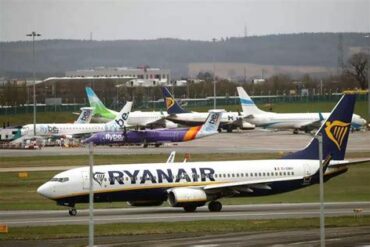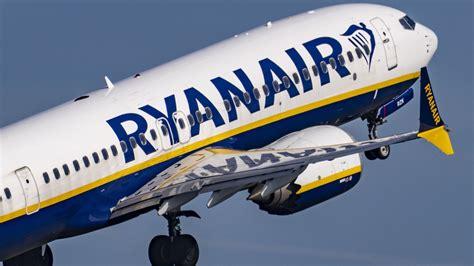
Ryanair, Europe’s largest low-cost airline, has issued a stark warning that it may slash flights to Spain, escalating a bitter dispute with AENA, Spain’s national airport operator. The budget carrier, which plays a vital role in connecting European travelers to Spanish destinations, has branded the planned airport fee hikes as a significant threat to its cost model — one that may reshape the aviation landscape of Spain.
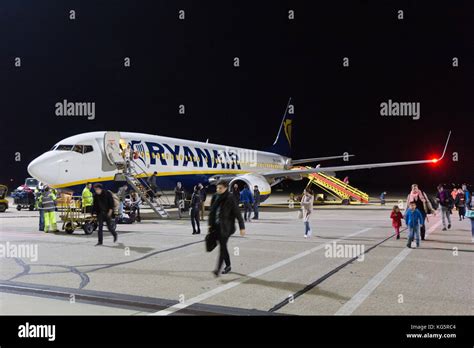
The tension centers on AENA’s decision to raise airport fees by 6.5% starting in 2026, following a 4.09% increase in 2024. AENA justifies the hikes as necessary for sustaining operations amid rising energy and infrastructure costs, but Ryanair sees them as an existential threat to low-cost travel in and out of Spain. The implications are widespread: fewer flights, pricier tickets, and serious setbacks to Spain’s status as a premier European holiday destination.
Ryanair Draws a Line: Rising Fees Could Ground Key Routes
Ryanair’s CEO Michael O’Leary has not minced words, declaring the proposed fee increases as not only unjustified but potentially devastating to the airline’s affordable flight strategy. The carrier has indicated that if the situation remains unresolved, it may scale back flights to several Spanish cities, particularly during the critical winter season.
The issue has reached a boiling point. Ryanair, which carried over 50 million passengers to and from Spain in 2024, believes that a surge in operating costs will cripple its ability to maintain low fares. With a heavy presence in Madrid, Barcelona, Valencia, and Málaga, Ryanair’s potential service reductions could remove crucial links to Spain’s tourism hotspots and regional economic centers.
What’s Fueling the Conflict: AENA’s Position and Legal Grounding
AENA, for its part, has remained resolute. The state-owned airport operator insists that the planned increases are in line with regulatory frameworks and reflect the genuine cost burdens of operating increasingly complex airport systems. With passenger numbers expected to reach 320 million by 2025, AENA argues that substantial investments are required to maintain and expand infrastructure to meet demand.
To achieve this, AENA’s president has proposed a €218 million revenue boost through fee hikes, to fund crucial infrastructure upgrades across its network. These improvements, AENA claims, are vital to avoid congestion, ensure safety, and enhance passenger experiences. The operator rebuffs Ryanair’s accusations of price gouging, insisting that fare adjustments reflect real-world financial necessities and not arbitrary decisions.

Winter Squeeze: Budget Travel on the Brink
Ryanair’s threat comes at a strategically sensitive time. The winter travel season, typically leaner in demand but critical for maintaining year-round routes, could bear the brunt of these proposed cuts. Reduced services to Spain during winter could leave many European city pairs disconnected, and local tourism economies, especially in southern coastal towns, could feel the pressure.
Given that Ryanair has consistently undercut rivals by relying on low airport charges and tight cost controls, an increase in operating costs could compel the airline to reassess route profitability. Destinations that fail to generate adequate revenue under the new cost structure may be downgraded or eliminated altogether.
The airline’s decision isn’t being made in a vacuum. Competitors like EasyJet, TUI, and Jet2 are watching closely. While none have issued official threats of service cuts, Ryanair’s dominance in Spain means that any action it takes will set the tone for the entire low-cost sector.
Tourists and Travelers Caught in the Crossfire
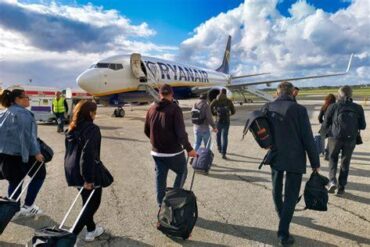
For passengers, the consequences are potentially severe. Ryanair’s routes are particularly popular with budget-conscious travelers, from backpackers to pensioners to digital nomads. A cut in frequency or availability of routes could result in fewer choices and significantly higher fares across the board.
Airfares in Europe are highly sensitive to competition, and Ryanair’s aggressive pricing has historically kept overall prices low. If its market share is reduced — especially in busy hubs like Alicante, Palma de Mallorca, and Málaga — travelers could face price hikes, more layovers, and fewer direct flights.
Spain’s tourism sector, which contributed over €176 billion to the national economy in 2024, could suffer. Particularly vulnerable are regions that rely heavily on Ryanair’s flight network to connect with cities in the UK, Germany, and Ireland — all major source markets for Spanish tourism.
A Looming Domino Effect on Airlines and Destinations
If Ryanair follows through on its threat, the move could trigger a domino effect. Other low-cost carriers may follow suit, cutting routes or seeking compensation to maintain operations. This could introduce significant uncertainty into route planning and investment in Spain’s secondary and regional airports.
Additionally, the reduction in competition would likely embolden full-service airlines to fill gaps left behind by budget carriers — but at a much higher price point. This shift could reverse two decades of progress that made air travel accessible to millions of European travelers.
For many regional Spanish cities, Ryanair has been a lifeline, bringing in tourism, business travel, and economic vitality. A diminished Ryanair presence would likely reduce airport traffic, forcing local authorities to reallocate public funding or even consider subsidies to maintain viable air links.
Balancing Infrastructure Growth and Airline Viability
The challenge for Spain lies in reconciling long-term infrastructure needs with the short-term pressures airlines face. AENA’s push for modernization is based on anticipated growth, but the cost of that growth may be borne by the very carriers that helped expand Spain’s aviation market in the first place.
Low-cost carriers like Ryanair built their business on volume-driven profitability. When fees rise, the math changes. Every additional euro charged per passenger affects an airline’s delicate margin balance. Unless carefully managed, the outcome could be fewer routes, less connectivity, and — paradoxically — underutilized infrastructure.
Ryanair has hinted that its future investments may be redirected to other countries with more favorable cost structures. This could benefit rival Mediterranean markets such as Portugal, Italy, or Greece, where airports are aggressively courting low-cost carriers and, in some cases, even subsidizing new routes.
The Stakes for Spain’s Air Travel Future
The Spanish government, regulators, and AENA must now decide whether to stay the course or seek a compromise. The reality is that Spain’s economic model for tourism hinges on mass accessibility. If that model shifts to prioritize high-yield passengers over high volume, the outcome could be a tourism industry that is smaller and more expensive, but potentially more sustainable.
But such a transformation would be a radical departure from the Spain that millions of Europeans visit each year — a place known for budget holidays, frequent weekend getaways, and spontaneous travel. This identity is now at risk.
Conclusion: At a Crossroads, With the Clock Ticking
The battle between Ryanair and AENA is not just a financial dispute — it is a defining moment for the future of low-cost air travel in Europe. With both sides unwilling to budge, and millions of passengers hanging in the balance, the next few months will be critical.
If Ryanair proceeds with cutting routes, the consequences will ripple across Spain’s tourism ecosystem, its regional economies, and the travel choices of everyday Europeans. The outcome could redefine what affordable travel means in a post-pandemic, inflation-sensitive era.
The question remains: will Spain choose investment and growth at the expense of low fares and open access, or will it find a middle path that preserves both? The answer will shape the trajectory of its aviation sector for years to come.